“This isn’t about fixing — it’s about translating.”
Fewer than you might think actually talk openly about it, but some estimates suggest nearly 1 in 10 long-term partnerships include at least one neurodivergent partner. Yet many couples drift quietly through years of gentle misunderstandings, believing their difficulties reflect personal shortcomings or a lack of effort. If communication in your relationship sometimes feels subtly misaligned – even with all the care in the world – you are far from alone. Neurodiverse couples therapy offers a way of moving beyond old scripts of blame and missed signals, into something both kinder and more accurate. For those living in Brighton and seeking to understand each other a little more, this is less about “fixing” and more about gently slowing down enough to find a shared language.
A Surprising Pattern: The Quiet Prevalence of Neurodiverse Couples
There’s a common misconception that neurodiverse couples are rare, when in truth, these relationships exist quietly all around us. If you’re reading this and recognise that either you or your partner processes the world differently – perhaps through autism, ADHD, or another neurotype – you’re part of a much larger group than you may realise. Many adults and couples only discover the language for their experience long into their relationship, often after years of subtle tension and well-meant confusion. This pattern is widespread: one partner may struggle with sensory overwhelm in bustling places, while the other feels puzzled by silences or emotionally charged responses.
It is not unusual for partners to end up feeling quietly separate, despite deep affection and commitment. These are not relationships lacking in care or effort – quite the opposite. Many neurodiverse couples work incredibly hard to bridge misunderstandings, often without any guidance or with approaches that overlook the strengths and unique needs within a neurodivergent couple. Traditional couples counselling can feel ill-fitting if relationship therapists miss the more nuanced communication styles present in such partnerships. Recognising this quiet prevalence is the first step towards understanding and connection that honours difference rather than pathologising it.

Understanding Neurodiverse Couples: A Gentle Translation
Many couples notice their relationship feels like a different language is being spoken, even when neither partner is intentionally withholding or retreating. In neurodiverse couples, this is especially true. Words, tone, and even silence may carry varied meanings depending on neurotype and the lived experiences each person brings. Emotional nuance might be delivered through literal language, or masked by shutdowns in moments of overwhelm. It’s natural to feel at a loss – not because anyone is at fault, but because traditional scripts for partnership often don’t reflect how a neurodiverse couple truly communicates.
What sets apart these relationships is not a lack of love or willingness, but a fundamentally different rhythm. The presence of an autistic partner, or someone who identifies with another neurodivergent identity, means unspoken assumptions (like “you should just know how I feel” or “show you care in this specific way”) may not land as expected. Therapy for neurodiverse couples adopts a perspective that what’s “difficult” might actually be a signal that something real requires gentle translation, rather than correction.
While communication challenges are a central theme for neurodiverse couples, it’s also important to recognise how underlying anxiety can influence these patterns. For those interested in exploring how anxiety manifests in relationships and the ways it can be addressed, you may find additional insights in resources on anxiety counselling in Brighton, which discuss practical approaches for managing emotional stress within partnerships.
Why Communication Feels Different in Neurodiverse Couple Relationships
“Many couples notice they’re both working hard to be understood. Therapy can offer a place to slow this down.”
If you ever find you are both working tremendously hard, yet still leave conversations with a slight ache of feeling “missed,” this is a telling sign. Communication differences may not be obvious at first – both partners may move forward in the relationship hoping effort will eventually translate to a seamless understanding. For a neurodiverse couple, a conversation that seems straightforward to one partner might feel layered and emotionally charged to the other, simply because nuance, tone, and literalness are being processed through different filters.
Emotional shutdown is common: when tension rises, one partner might go silent, not out of disinterest, but from overwhelm or the natural processing speed required by their neurotype. Meanwhile, the other may interpret this silence as indifference or rejection, starting a cycle in which both end up feeling isolated. A relationship like this isn’t lacking in care – it requires gentle translation and permission to slow the pace. Couples counselling that is sensitive to these patterns can support building a stronger, more accurate understanding of each other’s experience.
Neurodiverse Couples Therapy: What Makes It Different?
Gentle focus on neurodivergent communication patterns
Relationship therapists trained to notice without judgement
Couples counselling that clarifies emotional needs
Use of aane trained practitioners who understand lived experience
Traditional couples counselling often draws on frameworks built around neurotypical expectations – for example, assuming that “good communication” looks and sounds the same for everyone. With neurodiverse couples, however, there’s a need for relationship therapists to see past those defaults. A neurodiverse couples therapist, especially one aane trained or well-versed in real-world experiences, focuses first on recognising and affirming difference, rather than treating those differences as problems. Adults and couples are thus given permission to identify and discuss their unique rhythms.
These therapists and coaches offer a space where both partners are invited to voice their interpretation openly and without correction. This doesn’t place blame on one partner, nor does it set a goal of uniformity. Instead, the aim is to build a stronger, shared framework that makes room for both literal and indirect communication styles, divergent sensory experiences, and the reality that emotional intimacy might look different “within a couple” containing neurological variation. Approaches like walking therapy, for example, can help ease sensory overwhelm and maintain engagement – something many currently full practices now also offer for neurodivergent couples both locally and via zoom.
The Role of a Neurodiverse Couple Therapist
A neurodiverse couples therapist acts not as a referee, but as a thoughtful translator. These relationship therapists are trained to approach each partner’s story without judgement, working to gently name patterns rather than assign fault. A skilled counsellor and psychotherapist acknowledges that events which might appear minor from the outside can accumulate as layers of misunderstanding inside the relationship. An AANE-trained therapist, in particular, draws from lived experience with neurodivergent couples, making space for those nuanced needs and communication strategies often left unspoken.
The therapist may also offer couples practical ways to pause and process communication, respecting each partner’s speed and sensory needs. For families or young people seeking support, this work doesn’t impose change on either partner. Instead, it cultivates validation: “It makes sense that you both experience this differently.” The therapist’s role is to affirm experience and build understanding and connection as a foundation. More therapists and coaches are becoming aware of this specialism, helping adults and couples move forward quietly and with greater accuracy.
How Couples Counselling Reduces Misunderstanding
Couples counselling for neurodivergent couples helps reduce entrenched patterns of misunderstanding by slowing conversation, checking for intent, and clarifying emotional needs out loud. Conventional therapy often pushes for compromise or immediate empathy. In contrast, specialist support allows couples to breathe and notice what’s actually happening, moment to moment. Counselling is not about “fixing” the neurodivergent partner, but about finding what is workable together.
By drawing attention to patterns such as “parallel monologues” (where both partners talk at each other but feel alone), a trained therapist introduces language and permission to gently name the cycle. For couples who also offer walking therapy or need virtual sessions via zoom, the goal remains the same: create a relationship environment that doesn’t rush. Here, understanding and connection are priorities – not speed or generic advice. Counselling offers neurodiverse couples a place to experiment safely with new communication and check meaning without fear or pressure.
Short animation: “What happens in neurodiverse couples therapy?”
Common Communication Patterns in Neurodiverse Couples
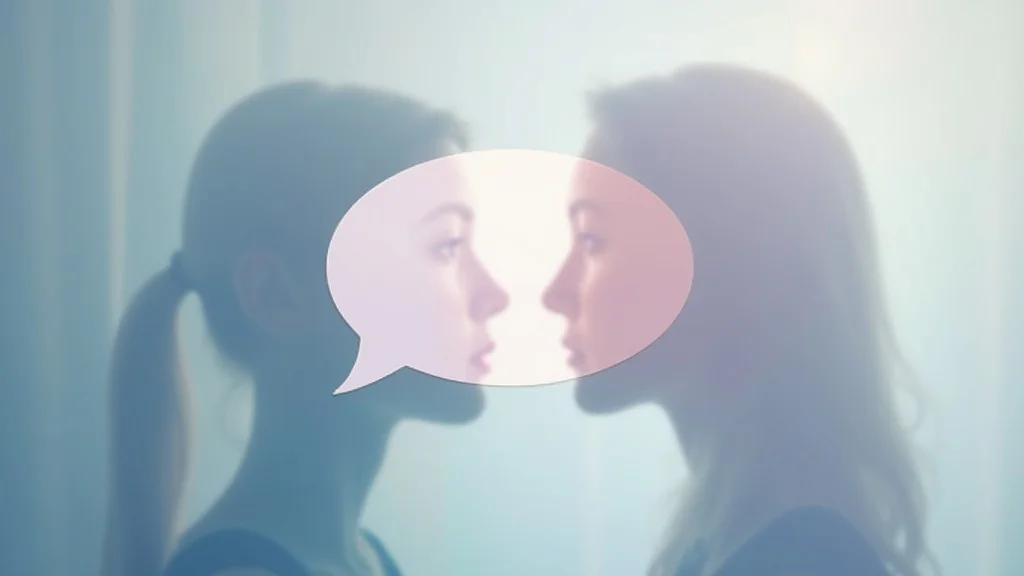
Over time, certain communication patterns tend to recur within a neurodiverse couple’s relationship. Differences may first show up as quirky habits—like favouring direct over implied language, or hesitating during difficult discussions—but they can quietly accumulate emotional weight. A partner’s withdrawal during an argument may signal shutdown, not disengagement. Unspoken moments in busy cafés might reflect hidden sensory overload, with plans quietly falling apart instead of open disagreement.
When each partner’s communication style is not named and understood, both individuals can end up feeling lonely in each other’s company. Repeated misunderstandings may lead to wondering whether “something is wrong with us” instead of recognising the underlying neurodivergence. Walking therapy can help in such cases—moving conversations outdoors can reduce sensory distractions and foster a different emotional pace. By learning to see these patterns without blame, a couple can start to shift away from entrenched disappointment into more accurate and manageable forms of understanding.
| Pattern | How It Often Looks | Possible Impact |
|---|---|---|
| Literal vs implied speech | “Say what you mean” | Missed or misread cues |
| Emotional shutdown | Silence during conflict | Feeling of disconnection |
| Sensory overwhelm | Withdrawal in busy spaces | Plans quietly fall apart |
| Parallel monologues | Talking “at” not “with” | Loneliness in company |
When Patterns Feel Entrenched
For many, these patterns become so habitual they seem almost invisible. Silences after arguments, missed hints about emotional needs, and evenings where both partners talk but neither feels really heard: these moments often occur without malice or intention. One partner might rest their head in their hands, quietly resigned, while the other reaches out in gentle hope – a scene common among couples who want to move forward but fear nothing will change.
This can be especially intense for couples who have tried “doing everything right” – reading books, attending general therapy, or seeking advice from family members. Without recognition of neurodivergence, couples may feel that even their best efforts fall short. Here, stepping back and letting go of the pressure to “solve” everything is itself a form of care. A gentle, emotionally aware couples counselling process can provide permission to notice pain, honour difference, and name what hurts without slipping into blame or defeat.
Couples Therapy Strategies for Neurodivergent Couples
Slow conversations and permission to pause
Translate intent: check meaning, don’t assume
Respect difference in sensory and emotional needs
Name patterns together, gently
Rather than assume intent, partners are encouraged to ask, “Is this what you meant?” or “Have I understood you right?” This removes pressure to instantly know or perform closeness, which is often exhausting for adults and couples experiencing neurodivergence
Sensory differences might include a preference for quiet spaces, gentle movement (walking therapy), or a need to avoid eye contact during tough talks. Again, these are not flaws to correct, but needs to acknowledge. By naming emerging patterns as they appear – without rushing to change them – couples reclaim the safety to express their lived experience honestly. With a counsellor and psychotherapist who is emotionally attuned and aane trained, both partners can gradually build a more resilient, more nuanced form of understanding and connection.
Why AANE-Trained and Emotionally Aware Support Matters
“This isn’t about right or wrong. It’s about finding what’s workable, together.”
Support from an AANE-trained therapist, or a counsellor and psychotherapist with lived experience working with neurodiverse couples, ensures expertise that is grounded and kind. These professionals are aware that what works for one neurodivergent couple may not apply to another – emotional intelligence and flexible approaches matter more than abstract expertise. Emotional skill means naming what is difficult without urgency, and respecting limits without casting judgement.
By working alongside therapists who value translation over correction, couples can find support that feels intelligent and humane. There’s space for the autistic partner to experience acceptance, and for the neurotypical partner to have their viewpoint affirmed as equally real. Skill in this area does not come from textbooks, but from a steady trust that difference is not a deficit. With this kind of support, couples can move forward, building a stronger foundation without feeling they have to erase parts of themselves just to make the relationship work.
Reflective Pause: What Do You Notice In Your Relationship?

Is there a particular moment – a shared silence, a misread cue, a feeling of being out of step – that stands out? Noticing these places is a powerful act in itself.
People Also Ask about Neurodiverse Couples Therapy
What is neurodiverse couples therapy?
Neurodiverse couples therapy is a specialised form of couples counselling designed to support relationships in which one or both partners identify as neurodivergent (for instance, autistic or living with ADHD). Rather than aiming to make partners “the same,” the focus is on understanding, translating, and clarifying communication and emotional needs. Sessions may be with traditional or walking therapy, or even offered via zoom, and are tailored by relationship therapists or aane trained practitioners who affirm both partners’ realities.
How can neurodiverse couples counselling help with communication?
This approach helps couples slow down their habitual conversation patterns, gives permission to check for understanding, and uses explicit, emotionally intelligent language to reduce misread cues. Experienced therapists and coaches offer a space where literal and implied communication styles are both valid. Partners can gently name when they’re struggling to connect, or when emotional shutdown or sensory overload becomes a barrier. Couples thus make headway not by changing personalities, but by changing the way communication is approached and understood.
What qualities should I look for in a neurodiverse couples therapist?
Look for a therapist who identifies as aane trained or who has clear experience working with neurodivergent couples; someone who uses language that feels grounded, not clinical, and who affirms difference rather than correcting it. The best relationship therapists for this work are emotionally literate, open to feedback, and respectful of personal pace. Ideally, your therapist or coach will offer walking therapy options for those who prefer a less formal environment, and will respect the unique needs present in each adult and couple they support.

FAQs About Neurodiverse Couples Therapy
Do we both have to identify as neurodivergent for therapy to help?
No. Therapy can support any couple where neurodivergence is a factor, even if only one partner is neurodivergent. The focus remains on understanding where and how communication or emotional mismatches arise.Will therapy focus on one of us changing?
Therapy is not about changing one partner to fit the other; it’s about co-creating new ways to understand and connect, respecting both perspectives.Is this the same as autism couples therapy?
Neurodiverse couples therapy often covers autism-specific issues, but can also include ADHD and other neurotypes. It’s broader, affirming the full range of neurodivergent experience.Can we attend both individually and together?
Yes. Many relationship therapists offer both individual and joint sessions. This can be helpful − some couples even find walking therapy or remote sessions via zoom work best for their needs.
If Something Quietly Resonates: A Gentle Invitation
Take the Next Step
If something in you recognises this — even quietly — that’s enough. 👉 Start a conversation.