
Over 70% of midlife women report increased body image concerns when entering menopause, which can deeply shape their daily wellbeing and mental health. Shifting attitudes about ageing, body size, and appearance matter now more than ever, as women in their 40s, 50s, and 60s move through major life changes.
Shifting Attitudes: Why Midlife Body Image Concerns Demand Attention
The conversation surrounding midlife body image often takes a back seat to youth-focused narratives, yet midlife women experience some of the most dramatic shifts in appearance and self-perception. At this stage, body image issues aren’t just about looks—they are tied to hormonal change, evolving roles, and new health markers like metabolism changes midlife, muscle mass losses, and skin transformations. Aged women may feel more visible pressure about body size and more disconnected from the thin ideal portrayed in mainstream media.
The reality is that body image concerns become more pronounced in this life stage, with heightened attention to image concern, image and eating, and mental health. One study revealed that the majority of midlife women experience body dissatisfaction that directly influences their eating habits, social interactions, and even professional life. Addressing these concerns is no vanity issue—these are significant contributors to mental health, self-worth, and quality of life. Simple approaches, like confidence-boosting wardrobe updates and strength training benefits, can have an outsized impact. With more nuanced support, women can feel empowered to celebrate and care for their changing bodies.

Startling Trends in Midlife Body Image
Multiple reports highlight that image issues in midlife are surging for both practical and societal reasons. Women in this age group experience an intersection of hormonal shifts, increased visibility of aging process, and new bodily sensations. Body dissatisfaction rates climb, as aged women often compare themselves to younger peers or previous versions of themselves. Compounded by social pressure to defy ageing, they may feel less confident in professional attire or experience anxiety about swimming costumes and fitting into classic fashion pieces. Strength training benefits, muscle mass maintenance, and adjusting a whole foods diet become more relevant, but so too does developing self-compassion and a supportive mindset.
“Recent studies show that over 70% of midlife women experience heightened body image concerns as they enter menopause, affecting their mental health and day-to-day wellbeing.”
Defining Midlife Body Image: From Youth to Menopausal Change
Midlife body image is a set of beliefs, emotions, and attitudes women hold about their bodies during midlife and into menopause. Unlike youthful concerns focused on conformity to beauty standards, midlife women navigate unique pressures—how clothing fits, skin health ageing, muscle tone, and professional appearance. In this life stage, body image concern is complicated by changing metabolism, natural fat distribution, and visibility of ageing skin. Many women may focus on nutrition for metabolism, protein intake for muscle mass, and skincare and diet for healthy skin.
The journey from youth to menopause involves transitioning from culturally imposed thin ideal toward a more individualised acceptance of bodily changes. For some, body dissatisfaction may stem from losing a sense of control over image and eating, while others find new appreciation through fitness routine midlife or experimenting with classic fashion pieces. Across each age group, concerns about body size and appearance may fluctuate, but midlife is often when these themes take centre stage.
Body Image Concerns in Midlife Women
Women in midlife face the twin pressures of societal standards and personal change. The prevalence of body dissatisfaction is often higher among this age group, with image concerns shifting from appearance-based goals in youth to wellness, vitality, and comfort in older women. Many women develop greater wisdom about body image and eating, learning to nurture skin health ageing with targeted routines and dietary choices. Yet, alongside new family or career roles, they may feel greater disconnection from the thin ideal, leading to doubts about self-worth and preoccupations with fitness or wardrobe.
Studies have shown that midlife women are less likely to seek support for image concerns, attributing their worries to ageing or unavoidable hormonal change. Yet, major life events—such as divorce, career shifts, or becoming empty nesters—can intensify attention to body image and wellness routines. Prioritising stress management techniques, muscle mass maintenance, and strength training benefits can help shift perspective and manage the natural changes of this period.
For many women, the emotional impact of these changes can be compounded by anxiety or stress, making it even more important to address both physical and psychological wellbeing.
The Role of Ageing and Menopausal Body Changes
Biological changes drive much of the transformation in midlife body image. The declining oestrogen during menopause shifts fat stores to the abdomen, influencing body size and posture. Collagen loss deepens lines on the face, and skin appears thinner; this makes fine lines reduction, hyaluronic acid hydration, and vitamin C serum more relevant in an anti-aging skincare routine. Muscle mass maintenance becomes harder, as metabolism changes midlife can cause weight gain with the same eating habits.
A mix of physical, psychological, and social changes shapes how women feel about their bodies. The impact often reaches professional and social settings—confidence boost fashion, tailored outfits, and wardrobe update strategies can support self-esteem during this transition. Whole foods diet and adequate sleep and metabolism support offer pathways to genuinely improved wellbeing.
| Age Group | Common Concerns |
|---|---|
| Younger Women | Social pressure, beauty standards |
| Midlife Women | Body image concern, image and eating, menopause-related changes |
| Older Women | Physical ageing, body image and eating, skin health ageing |
People Also Ask: At what age do body image issues start?
Early Development of Body Image Concerns
Body image issues can develop surprisingly early in life. Research shows that primary school-aged children are already aware of body size and can express dissatisfaction, particularly as they become exposed to media and peer feedback. However, the intensity of these concerns often heightens during midlife, linked to natural ageing, hormonal change, and shifts in lifestyle. These midlife transitions add new layers to the experience, with aged women noticing differences in confidence, energy, and how clothes fit or look on their changing body.
While early image issues are often rooted in external influences such as beauty standards and peer pressure, midlife women’s experiences become more internalised. Concerns may shift from a thin ideal to managing menopause-related symptoms, eating disorder risk, or body dissatisfaction caused by changing metabolism. Women with poor self-esteem or strong image concern in earlier years may find midlife to be a challenging turning point. By this stage, practical approaches—like muscle mass maintenance, whole foods diet, stress management techniques, and versatile clothing pieces—can support resilience and self-acceptance.
“Children can begin to show body dissatisfaction and image concerns as early as primary school, but intensity often increases during midlife due to hormonal and lifestyle shifts.”
Physical Changes in Midlife: Metabolism, Muscle Mass, and More
One of the most significant shifts for midlife women is in the way the body manages energy, stores fat, and maintains muscle. Metabolism changes midlife are driven by hormonal changes and reduced physical activity, which can lead to weight gain and shifts in body shape. Many women see a reduction in muscle mass, leading to concerns about body size, energy, and physical performance. Maintaining a fitness routine midlife, with attention to strength training benefits, is key for muscle mass maintenance and overall wellbeing.
Adjusting to these changes sometimes prompts frustration or body dissatisfaction, especially as some may feel disconnected from their previous selves. Supporting the ageing process with nutrition for metabolism, consistent exercise, and attention to sleep and metabolism offers real benefits. Protein intake becomes particularly valuable, not just for muscle repair but also for supporting skin and joint health. Eating more whole foods diet and hydrating for skin health ageing can help reduce visible signs of stress and fatigue.

Metabolism Changes Midlife: What to Expect
By the time women hit their forties or fifties, the rate at which the body uses energy falls—typically by around 2–4% per decade after the age of 20. This means that the same daily calorie intake can now cause weight gain or changes in body size. The reason lies partly in decreased muscle mass, as muscles burn more energy than fat. This is why muscle mass maintenance and regular activity are essential. Hormonal change, combined with lifestyle shifts, may lead to more pronounced abdominal fat and less defined muscle tone.
Many women may be frustrated by these changes, but there are controllable elements. Prioritising whole foods diet, hydration for skin, and avoiding calorie-dense processed foods helps prevent excessive weight gain and supports better body image. Sleep also ties heavily to metabolism; poor sleep can worsen midlife fitness challenges and fuel cravings for sugary foods. Well-balanced nutrition for metabolism, including protein intake, vitamin C serum for skin, and stress management techniques, can help you feel stronger and enhance self-confidence.
Muscle Mass Maintenance and Strength Training Benefits
Loss of muscle is one of the main reasons metabolism slows in midlife. Women with poor muscle maintenance may feel less energetic, leading to a cycle of inactivity and further muscle loss. Strength training benefits extend far beyond weight control—regular strength work helps aged women reduce risk for osteoporosis, improves daily mobility, and fosters a positive connection with changing bodies.
There’s no requirement to start lifting heavy weights—simple resistance bands, yoga for stress relief, or a personalised fitness routine midlife can keep muscles strong. Maintaining consistent activity is also key to staving off midlife fitness challenges linked to hormonal change. For those with limited mobility or new to fitness, guidance from professional trainers or physiotherapists can build a sense of safety and enjoyment. Pairing these routines with balanced nutrition—fuelled by enough protein intake and plenty of hydrating whole foods diet—delivers lasting muscle, better posture, and greater self-confidence.
- Fitness routine midlife essentials
- Nutrition for metabolism: protein intake and whole foods diet
- Addressing midlife fitness challenges
- Role of sleep and metabolism
People Also Ask: What are the body changes in midlife?
Major Shifts Women Notice in Midlife
Midlife brings new realities, such as weight redistributing to the abdomen, thinning hair, shifts in skin texture, and a mix of increased and sometimes unpredictable energy levels. These transformations are all part of the “major life” transition that makes midlife body image such a complex issue. Many women may feel self-conscious about body size, particularly if they experience changes more suddenly as a result of menopause or other health conditions. Muscle tone may be lost faster than before, putting more attention onto strength training, fitness routine midlife, and targeted nutrition for metabolism.
The visible nature of these changes can heighten stress and escalate image concern. Skin health ageing becomes a frequent topic among peers, with more conversations about anti-aging skincare routine, fine lines reduction, vitamin C serum, and hydration for skin. Despite these challenges, the potential for improved wellbeing remains strong: positive shifts in wardrobe, professional stylist advice, and prioritising sleep and metabolism can all help women feel at ease in their changing bodies.
“Midlife brings increased fat distribution, changes in muscle tone, and fluctuations in energy levels, making body image and eating choices ever more significant.”
The Psychological Perspective: Mental Health and Image Concern
The link between mental health and midlife body image cannot be overstated. As self-perception changes, stress and anxiety often increase, driving behaviours that worsen body image concern—such as disordered eating, dieting, or compulsive exercise. Women experiencing body dissatisfaction at this age are statistically more likely to struggle with eating disorder risk, depression, or low confidence. Social isolation can follow, particularly if support networks fall away as life circumstances change.
Adopting positive stress management techniques is vital. Yoga for stress, meditation, and regular movement can lower chronic anxiety, help us tune into positive internal narratives, and resist negative messages tied to body size. Working on self-compassion can reduce harsh self-talk and promote resilience. For many, discussing their changing body with peers or a professional can validate new experiences, helping them separate image and eating issues from their worth as people.
The Link Between Body Image Concerns and Mental Health in Midlife
Negative perceptions of one’s body aren’t merely cosmetic—they profoundly impact mental health and daily functioning. Image concern, if persistent, can drive loneliness, mood swings, and disordered eating. For aged women, menopause-related symptoms, such as hot flashes or fatigue, can intensify these feelings. One study found that women with poor body image are more prone to anxiety and less likely to seek meaningful connections, amplifying isolation during a period when support is invaluable.
Initiatives like group exercise (fitness routine midlife), stress management techniques, and guided mindfulness (such as yoga for stress) have proven to strengthen mental resilience, boosting mood and self-worth. Building this foundation is crucial for adapting to the physical realities of ageing, allowing for a more compassionate, patient approach to both body and mind.
Managing Stress and Disordered Eating
Stress is frequently both a result and a cause of body image concern, especially in aged women navigating menopause. Chronic emotional strain can drive negative coping strategies—compulsive exercising, restrictive diets, or binge eating. Addressing these patterns early is critical. Stress management techniques such as breathing exercises, yoga for stress, and journaling help break the link between negative thoughts and unhealthy behaviours. These approaches strengthen self-compassion, a known buffer against eating disorders and body dissatisfaction.
Professional support is important, especially for those experiencing eating disorder or established disordered eating. Therapy, support groups, and online resources provide safe spaces to confront challenges and find practical strategies. Emphasising muscle mass maintenance, whole foods diet, and enjoyable physical activities can help restore balance, allowing us to move towards a more harmonious relationship with our body image and eating practices.
- Stress management techniques: Yoga for stress
- Addressing eating disorder patterns
- Building resilience and self-worth
People Also Ask: Can menopause cause body dysmorphia?
Understanding Body Dysmorphia and Body Dissatisfaction in Menopause
Menopause can bring physiological and emotional shifts that elevate the risk of body dissatisfaction and even body dysmorphia. This condition arises when individuals fixate on perceived flaws in appearance, often leading to distress and interference with daily life. Hormonal fluctuations, coupled with external image pressures, can make midlife women more vulnerable to these thought patterns. Body dysmorphia isn’t about vanity; it can deeply affect relationships, workplace engagement, and mental health.
Addressing these struggles requires holistic support. Professional counselling, peer connection, and education about the normalcy of change lay the groundwork for healthy, realistic midlife body image. Women may find comfort in activities that foster patience and acceptance, such as meditation, supportive fitness routine midlife, and gentle, compassionate self-talk. Awareness of these issues helps to normalise the experience, reduce stigma, and encourage seeking help when needed.
“Body dysmorphia during menopause is often linked to hormonal shifts, self-esteem, and societal image pressures, which can heighten existing body image concerns.”
Practical Strategies for Improving Midlife Body Image
Improving midlife body image is achieved through a blend of practical lifestyle changes and mindset shifts. Nutrition for metabolism and skin health, muscle mass maintenance, wardrobe updates, and targeted anti-aging skincare routine all contribute to feeling comfortable and confident. Simple acts—like wearing tailored outfits or choosing colour in wardrobe that complements your skin—can brighten self-perception. Support from friends, peers, or experienced professionals, such as a professional stylist or counsellor, makes these changes even more effective.
Many aged women transform their relationship with their bodies by focusing on what their bodies can do, rather than how they look in comparison to unrealistic standards. Combined with self-kindness, whole foods diet, consistent activity, and sleep and metabolism improvement, new confidence and acceptance can grow.

Nutrition for Metabolism and Skin Health
The right diet supports both physical and emotional shifts during menopause. Nutrition for metabolism includes high-quality protein intake, plenty of colourful fruits and vegetables, and whole grains. These not only fuel muscle mass maintenance but also supply antioxidants to support skin health ageing and fight inflammation. Hydration for skin is especially critical, as declining oestrogen can make skin drier and less resilient.
Supplements like vitamin C and hyaluronic acid—when added in consultation with a healthcare provider—can improve skin tone and encourage collagen production. Tailoring your whole foods diet by including more omega-3 rich foods (like salmon and nuts), combined with a regular skincare and diet routine, enhances both mood and energy. Cutting down on sugar and processed foods also helps even out metabolism changes midlife and may reduce mood swings associated with fluctuating hormones.
- Whole foods diet and better hydration for skin
- Protein intake and tailored supplements
- Skincare and diet synergy
Exercise, Fitness Routines, and Ageing Well
Sustaining a fitness routine midlife does more than support muscle mass maintenance; it builds emotional strength. Combining strength training benefits, regular cardiovascular movement, and restorative practices like yoga for stress relieves anxiety and supports heart health. Fitness routines also improve sleep and metabolism, fundamental for weight management and mood stability.
Midlife fitness challenges, such as joint stiffness or lower motivation, can be addressed by starting small. Walking, swimming, or low-impact aerobic classes offer social benefits, too. Remaining consistent—focusing on feeling energised rather than “fixing” body size—creates positive associations and supports lasting mental health.
- Fitness routine midlife best practices
- Strength training benefits for muscle mass
- Incorporating yoga for stress and flexibility

Wardrobe Update Strategies and Fashion Choices
How you dress has significant impact on midlife body image and self-assurance. Updating a wardrobe doesn’t require replacing everything; simple changes like choosing tailored outfits, confidence-boosting wardrobe essentials, and versatile clothing pieces make a difference. Professional stylist advice centres on highlighting shape and comfort, moving away from trends that no longer serve you. Prioritise classic fashion pieces—timeless cuts and quality fabrics—over fleeting seasonal styles to build a reliable foundation.
Day to night transitions are easily managed with layering and carefully-chosen statement pieces. Playing with fabric choices, colour in wardrobe, and fashion accessories brings playfulness and joy to dressing again. These style strategies are about feeling at ease and expressing your unique self at every stage, not conforming to external ideals.
- Confidence-boosting wardrobe essentials
- Professional stylist advice: tailored outfits and classic fashion pieces
- Day to night transitions with versatile clothing pieces
- Fabric choices and the impact of colour in wardrobe
- Statement pieces and fashion accessories
Ageing Skin Care and Anti-Aging Skincare Routine
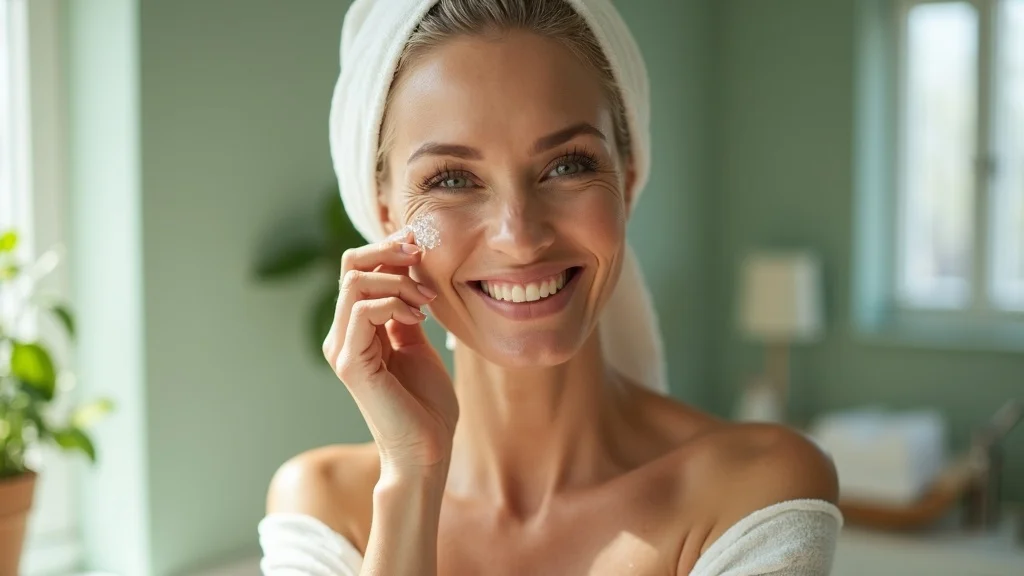
Caring for skin health ageing can restore self-confidence. An effective anti-aging skincare routine relies on gentle cleansing, regular use of vitamin C serum for brightness, and hyaluronic acid hydration for moisture. Retinol benefits, including fine lines reduction, are well-established, but it’s useful to introduce retinol slowly to manage irritation and lengthen skincare results timeline.
Sun protection skin is non-negotiable—sun damage remains the biggest factor in premature ageing and skin discolouration. Consult a dermatologist for guidance on suitable serums or supplements and keep a focus on skincare and diet to enhance results. These habits take time but lead to more nourished, glowing skin, giving a boost to mood and self-worth.
- Fine lines reduction with retinol benefits
- Vitamin C serum and hyaluronic acid hydration
- Retinol irritation management and skincare results timeline
- Sun protection skin tips
People Also Ask: What are the first signs of middle age?
Early Indicators and How They Affect Body Image
The first signs of middle age manifest slowly: a dip in energy, subtle softening of skin texture, and a slower metabolism. You might also notice clothing feels different or workouts are less effective. These small signals can make women self-conscious and prompt comparison with younger versions of themselves or peers. Concerns about body size, emerging fine lines, or changes in hair section may arise unbidden and, in some, spark renewed focus on body image issue management.
Many aged women benefit from reframing these transitions—seeing them as normal, expected parts of becoming older women. By introducing confidence boost fashion principles, prioritising fitness routines, and looking after skin and mental health, these signs become less alarming and more manageable. The key lies in accepting change and adapting practical responses for wellbeing and image concern.
“First signs of middle age commonly include subtle shifts in energy, skin texture, and metabolism, all of which can bring new body image concerns for many aged women.”
Building Lasting Confidence: Mindset and Lifestyle Changes
A positive mindset, self-acceptance, and beneficial community links are fundamental for managing midlife body image. Confidence grows from within—fuelled by realistic expectations, self-kindness, and celebration of small wins. Joining supportive circles, engaging in meaningful conversations, or connecting with a counsellor can remind women they are not alone with their image concern.
Adopting simple acts—such as gratitude journaling, gentle self-talk, and mindful movement—grounds mental health and buffers against the inner critic. Letting go of comparison, and choosing clothing or fitness that uplifts rather than constrains, ensures body changes are met with patience rather than frustration.

Cultivating Self-Compassion in Midlife Women
Self-compassion is an antidote to both external criticism and internal self-doubt. Practising forgiveness, kindness, and patience with oneself—especially during moments of body dissatisfaction—can retrain negative thought patterns. Simple, practical self-acceptance techniques like self-affirming notes, engaging in hobbies, or finding community support, help combat isolation and allow us to see beauty in diversity.
- Practical self-acceptance techniques
- Finding community and support
- The role of professional therapy
Fashion as a Confidence Boost
Clothing can be a tool for empowerment. Confidence boost fashion encourages aged women to prioritise their own comfort, style, and joy. This means investing in classic fashion pieces that flatter but do not restrict, choosing fabrics that feel pleasant on the skin, and adapting the wardrobe update strategies that best suit your personality. Well-chosen fashion accessories and statement pieces can help you transition easily from day to night and from work to leisure settings.
- Confidence boost fashion: using tailored outfits and fashion accessories
- Benefits of classic fashion pieces
For inspiration, see how a simple wardrobe refresh—with the help of a professional stylist—can transform body image and self-esteem for aged women. Guidance on selecting classic pieces, professional attire, and statement accessories unlocks new confidence for both work and personal life.
FAQs: Managing Midlife Body Image
- What are effective ways to address body image concerns in menopause?
Addressing these concerns calls for patience and practical changes—filling your diet with whole foods, maintaining regular exercise such as yoga for stress and strength training, updating your wardrobe with confidence-boosting essentials, and seeking social or professional support when needed. Building a supportive mindset with self-compassion helps keep negative self-talk in check and allows for improved daily wellbeing. - Are metabolism changes in midlife inevitable?
Metabolism changes midlife are very common due to natural ageing and hormone fluctuations. However, you can minimise their impact through consistent strength training, adequate protein intake, a balanced whole foods diet, sleep improvement, and staying active. These actions help slow muscle loss, maintain energy, and encourage a positive relationship with your body. - How can tailored outfits improve midlife body image?
Tailored outfits can make a substantial difference by offering comfort, enhancing body contours, and expressing personal style. Wardrobe update strategies that focus on fit and quality lift confidence and reduce focus on perceived body flaws. The right clothing, picked with professional stylist advice, supports a stronger self-image in both personal and professional settings. - What skincare ingredients reduce fine lines most effectively?
Skincare routines that include retinol benefits, vitamin C serum for radiance and collagen support, and hyaluronic acid hydration for smoothing lines, yield optimal results. Sun protection skin is also crucial—regular sunscreen use prevents further damage and complements anti-aging skincare routine efforts. Introducing new ingredients slowly helps avoid irritation and sustains visible results. - Is it too late to build muscle mass in midlife?
It is never too late to support muscle mass maintenance. Even aged women well beyond menopause can gain muscle and strength through resistance training, consistent activity, and adequate protein intake. These habits promote better body image, higher metabolism, and greater independence at any age.
Key Takeaways
- Midlife body image is influenced by metabolic, psychological, and social changes
- Simple lifestyle adjustments—nutrition, fitness, wardrobe, and self-care—can improve confidence
- Skin health ageing management is possible through targeted skincare and diet
- A positive mindset, community, and professional advice make body image concerns manageable
“If you feel overwhelmed by midlife body image or body image concerns, confidential counselling could be a valuable resource: https://thehovecounsellingpractice.co.uk/contact/”
Improving confidence and wellbeing in midlife starts by accepting change, building supportive habits, and seeking community. Allow compassion for yourself and take small, consistent steps to nurture your body and mind.
Sources
- https://www.nhs.uk/conditions/menopause/
- https://www.womenshealth.gov/menopause
- https://www.bbc.co.uk/news/health-60438418
- https://www.rcog.org.uk/for-the-public/menopause/
- https://www.psychologytoday.com/gb/basics/body-image
- https://www.menopause.org/for-women/menopauseflashes/mental-health
- https://www.cancerresearchuk.org/about-cancer/menopause-and-cancer/body-changes
Midlife body image concerns are increasingly recognized as significant issues affecting women’s mental and physical health. For a comprehensive understanding of these challenges, consider exploring “Midlife Eating Disorders and Body Image: A Clinician’s Guide” by Heidi J. Dalzell, which offers insights into the causes and treatments of eating disorders during midlife. (routledge.com) Additionally, the article “Disordered Eating in Midlife and Beyond” from Harvard Health discusses how ageing can impact body image and potentially lead to eating disorders, emphasizing the importance of addressing these issues at any age. (health.harvard.edu)