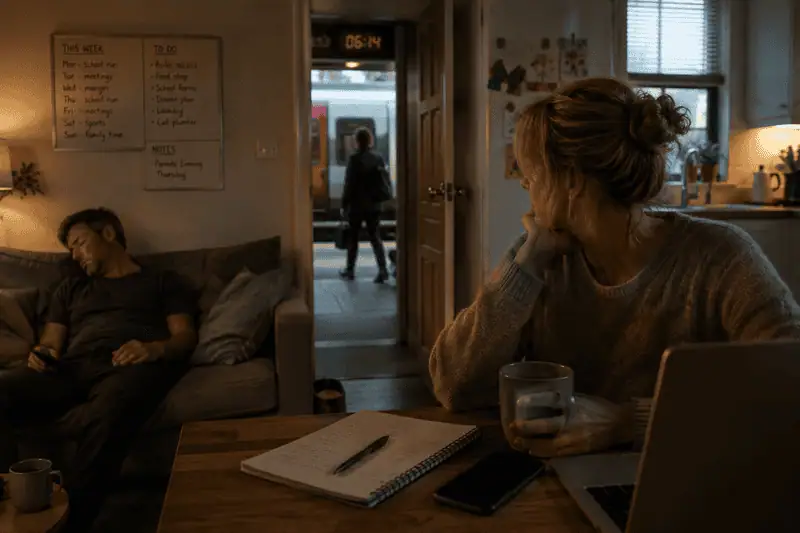
In Brighton, countless couples begin their first years of marriage quietly longing to feel seen by each other. The celebration has passed, expectations have settled, and you may find moments of closeness now flicker alongside a gentle uncertainty. If your relationship feels weightier than you’d hoped, or if quiet evenings carry unspoken tension, you’re not alone. Many thoughtful couples discover that what should feel easy sometimes feels tender, complicated, or simply out of reach—especially when culture plays in the background of every conversation. Here, you’ll find language that honours the depth of what you’re experiencing and an invitation to slow down, together.
Meeting You Where You Are: The First Steps in Newlyweds Therapy in Brighton
The early months and years after marriage can be both loving and disorienting—small gestures with new weight, silences that linger, and routines shaped by more than just habit. Newlyweds therapy in Brighton isn’t about finding quick fixes or solutions. Instead, it can create a quiet space where your story, shaped by family traditions and cultural influences, has time to breathe. Brighton and Hove holds space for many different backgrounds, and therapy here often recognises that relationships form at the intersection of what’s expected and what actually feels true day-to-day.
Many couples step into therapy without a clear sense that “something is wrong.” Sometimes it’s subtle—a sense of emotional overwhelm, a gap that opens between what you hoped and what you’re living, or the influence of cultural differences you didn’t expect to surface so soon. This pause can become a chance to meet each other where you are, not where you’re supposed to be. If you’ve noticed tough conversations repeating, or a gentle but persistent distance, it might simply be the system of your relationship asking for attention, not a sign you’ve failed.
Recognition: Why Many Couples Seek Newlyweds Therapy in Brighton
Each couple arrives at therapy by a unique path—sometimes prompted by conflict, often by something much quieter. For newlyweds in Brighton, the reasons for seeking therapy are as individual as the people themselves. Commonly, it’s not a crisis but a need for space to process the swirl of emotions and life changes following marriage. Emotional overwhelm is a frequent visitor, showing up in ways that are hard to articulate. There’s also the lived reality of subtle distance—an emotional thread that feels loose despite being physically close. Importantly, cultural expectations, whether around family involvement, identity, or communication, can shape relationship dynamics in ways that feel invisible until they’re spoken aloud.
- Emotional overwhelm
- Subtler forms of distance
- Expectations and cultural influences

Normalisation Without Minimisation: Emotional Challenges for Brighton and Hove Couples
In Brighton and Hove, it’s common for couples to feel that their private experiences don’t line up neatly with what’s expected from newlywed life. It can be quietly isolating to notice that joy and stress co-exist, or to wonder why certain family rituals or ways of relating don’t fit. Couple therapy services here often validate not only the struggles but also the cultural and emotional backstories that shape them. Recognising these patterns doesn’t lessen their impact, but it does remove a layer of shame. It’s not that you’re failing; it’s that expectations—yours, your family’s, society’s—sometimes run far ahead of lived experience.
| Expectation | Lived Experience | Insight |
|---|---|---|
| Marriage should feel joyful and easy | Joy is real, but so is overwhelm | All feelings have a place—the “should” can be set aside |
| Cultural values must be seamlessly blended | Differences are often difficult to navigate | Difference isn’t failure; it’s a subject to honour |
| If we love each other, we won’t struggle with intimacy | Intimacy is shaped by history, not just affection | Patterns aren’t personal deficits—they’re inherited |
Gentle Insight: What Couples Therapy Can Offer Newlyweds in Brighton
Couples therapy in Brighton is rarely about judgement or “fixing” what’s broken. Instead, it can be an invitation to pause—offering time to reflect, put words to relational patterns, and breathe through unspoken worries. This kind of relationship therapy respects the stories you bring: family scripts, personal histories, and the ways culture informs every conversation and silence between you. Brighton’s diversity reminds us that love doesn’t exist in a vacuum; it’s written in the language of everyday choices and inherited habits.
In early marriage, tensions might not be dramatic. More often, they surface as patterns—reoccurring misunderstandings, the delicate management of difference, or the gradual balancing of tradition with values you now create together. Therapy spaces are built for quiet seriousness, emotional safety, and the permission to be messy, tired, or uncertain. The act of pausing together, rather than pushing for answers, can itself start to shift the dynamic.
How Relationship Therapy Offers a Pause for Reflection
Relationship therapy allows newlyweds to slow their emotional pace and notice, gently, what has gone unsaid or unexamined. The benefits lie not in quick advice, but in naming what’s subtle—the micro-patterns and slow-building tension that don’t always show on the surface. With a skilled therapist, couples find words for their experience, develop thoughtful conversation, and begin to see each other anew. Creating shared understanding is the quiet work of therapy, and it is here where real shifts can take root.
- Naming subtle relational patterns
- Creating thoughtful conversation
- Building shared understanding
“You may notice that silence can feel heavy, not for lack of love, but because it carries so much hope.”

Relationship Issues in Early Marriage: Patterns Not Problems
Early marriage often brings up repeating relational themes: managing difference without losing connection, the tension between old traditions and emerging shared values, and the slow recognition that emotional pace matters. In therapy help for newlyweds in Brighton, these themes are honoured for their wisdom—they’re patterns to notice, not evidence that the relationship is broken. Many couples report that the space to slow down, voice fears, and challenge assumptions is what helps them to reconnect and adapt. This attitude—one of gentle curiosity—shapes each session, allowing space to discover what “us” now means.
- Managing difference without losing connection
- Balancing traditions with new shared values
- Permission to slow down emotional pace
Learning from Esther Perel: Insights for Newlyweds Therapy in Brighton
Drawing on the work of internationally renowned therapist Esther Perel, newlyweds therapy in Brighton is increasingly informed by cultural intelligence. Perel’s approach recognises that every relationship is built from stories—family histories, cultural scripts, and the meanings partners bring from their lived experiences. Her workshops remind therapists and couples alike: intimacy is not about achieving seamless agreement, but about the willingness to truly witness each other. In Brighton and Hove, where diversity is the norm, this stance feels especially relevant.
Couples and individuals attending relationship therapy in this context often realise that many differences, instead of being threats to closeness, become material for greater understanding. By slowing down, couples learn to distinguish between inherited assumptions and choices they wish to make freely. Therapy can therefore become a place not for answers, but for fresh questions—ones that honour, rather than override, both partners’ cultural worlds.
What Cultural Intelligence Means for Relationship Therapy
Culturally intelligent couples therapy is marked by more than simple tolerance of difference. It recognises that every relationship operates within social and family systems. For newlyweds in Brighton and Hove, this can mean therapy that listens for the undercurrents: the way a parent’s advice lingers, the weight of community expectation, or the friction when values don’t perfectly align. Perel’s wisdom reminds us: no couple is free from story, and every culture leaves its mark, sometimes invisibly.
“Intimacy grows not from perfection, but from the willingness to understand the stories we bring.”

Reflective Pause: Are You Holding More Than You Realise?
Has your concept of closeness been shaped more by family than you thought? Which expectations are truly yours, and which ones were handed down? In Brighton’s culturally rich context, these questions take on added depth, gently unravelling assumptions to allow more honest connection
Inviting Honest Reflection in Couples Counselling
Therapy work with couples and individuals is not always about dramatic breakthroughs. Sometimes, it rests on a willingness to ask quietly powerful questions. The process of pausing and listening—together or individually—creates new space for recognition and growth. In Brighton and Hove, therapists recognise that each relationship is a meeting place of cultures, both visible and less obvious. Inviting honest reflection is an act of courage. It offers partners a chance to choose, rather than default to, the way forward.
- What have we each learned about closeness in our families?
- Which assumptions are inherited, and which are chosen?
- How are cultural differences discussed or left unsaid between us?
Therapy Help: Couples and Individuals Needing Support in Brighton and Hove
Therapy help for couples and individuals in Brighton and Hove doesn’t start with a moral verdict or a rigid process. It begins with a quiet readiness to listen. Whether face-to-face or online, sessions provide a safe, unhurried space that can help couples name what feels true at their own pace. Relationship therapy is just as valuable for individuals within a couple as it is for both partners together; sometimes one person’s reflection is the catalyst for gentle change across the whole relationship.
Initial Consultation: What to Expect from Newlyweds Therapy in Brighton
The initial consultation is not a test you need to pass. It’s an open, pressure-free opportunity to say a few things out loud, as they are. There’s no urgency—just space for acknowledgment, curiosity, and, perhaps for the first time in a while, a chance to breathe together. You will be invited to share what feels important, rather than what you “should” say. Together, you’ll have an opportunity to set a pace for therapy that fits your own capacity and hope.
- A calm conversation without urgency
- Space to share what feels true, without judgement
- An invitation to set a comfortable pace together
People Also Ask: Newlyweds Therapy in Brighton
Is newlyweds therapy in Brighton only for serious problems?
Many couples seek newlyweds therapy in Brighton before a crisis, to support healthy beginnings and navigate cultural or emotional complexity.

How does couples counselling support diverse backgrounds in Brighton and Hove?
Couples therapy in Brighton and Hove recognises difference as neither deficit nor advantage; space is held for understanding unique family, societal, and cultural influences.
What can I expect during an initial consultation for newlyweds therapy in Brighton?
An initial consultation is a relaxed space for newlyweds to talk about what’s happening, what they hope for, and hear how therapy support can be shaped together.
What You’ll Learn in Newlyweds Therapy in Brighton
- How to notice and name underlying relational patterns
- Ways to value cultural context and difference
- Permission to take things at the pace you need

FAQs: Newlyweds Therapy in Brighton and Hove
- Will therapy judge us?
Therapy help is not about passing judgement. Couples and individuals are offered respectful, skilled support, and therapists aim for understanding rather than assessment. - Can we attend both as a couple and individually?
Yes. Many therapists work with individuals and couples, sometimes switching between the two if it supports clarity and safety in the relationship. - Is therapy confidential?
Sessions are private. What you share stays between you, your partner, and the therapist—within the boundaries required by law and ethical practice. - How do we raise cultural difference sensitively?
Cultural differences are not dismissed or pushed aside. Therapy can help you both honour what matters and develop language for difference—gently and without blame.
Key Takeaways for Couples Contemplating Newlyweds Therapy in Brighton
- You’re not alone if the early years of marriage feel harder than expected.
- Therapy is as much about understanding as about problem-solving.
- Space for diversity and difference is available — and valued.
- No topic is too small or ‘too much’ for therapy help.