
A couple sits side by side in their quiet living room. Surrounded by a sea of mutual achievements – a home curated with care, friendships that linger from years past, a schedule filled with shared ambitions – yet a gentle ache persists under the surface. The sense of overwhelm may have no name, but it colours the air between them. Many reach this threshold: everything seems in order, except for the ordinary act of feeling truly met by the one closest to you. Couples therapy often begins in that silent space where success and connection drift just out of alignment. Perhaps, as you read, you notice your own reflection in this quiet distance.
Recognising Yourself in Couples Therapy: How Stories Begin
The first step in any therapeutic process, particularly couples therapy, is not diagnostic or instructional. It’s the private realisation that life as it is no longer matches what you hoped intimacy could feel like. In therapy rooms, stories often open not with crisis but with incidents so ordinary they are almost unremarkable: words exchanged with clipped politeness, gentle touch replaced by routine, laughter becoming rare. Couples seeking therapy express a sense of being together and yet – unmistakably – alone.
An Observed Pattern: The Quiet Distance in Couples Therapy
“We share a home, successes, friends – but the sense of being alone hasn’t shifted. Sometimes I’m not sure what we’re still holding together. ”
Recognising this distance is not a sign of failure. Rather, it is an act of waking up. The pattern is familiar in couples therapy: two people deeply invested in their partnership, highly accomplished beyond their home life, feeling suddenly out of depth when intimacy becomes less accessible. The stories differ, yet the experience is surprisingly shared – an odd comfort for couples facing what seems like a uniquely personal disconnection. Couples therapy provides a safe environment to name this quiet ache, inviting curiosity rather than defensiveness. In beginning to notice old responses – the urge to withdraw, the sharpness in tone, the search for reassurance – a different conversation becomes possible, moving beyond blame and towards informed response.

Defining Couples Therapy Through the Attachment Lens
To attune to what is truly happening between partners, couples therapy invites both individuals to look beneath the surface. Attachment theory offers a practical framework here, mapping out the ways early relational patterns shape grown-up intimacy. When couples enter therapy, they are not simply repeating ‘communication issues’ – they are often reliving formative attachment experiences at close range. A therapist’s role is both clinical and invitational: to help each partner notice the automatic reactions that arise under stress, when vulnerability or misunderstanding triggers old self-protections. In well-held therapy sessions, the room becomes a container for difficult feelings, curiosity, and – at times – extraordinary tenderness.
How Couples Therapy Supports Emotional Closeness
Much of modern couples therapy draws on attachment-informed models, inviting couples to notice and interrupt the recurring dance that keeps them apart. At its best, therapy invites each partner to risk true presence – exchanging protection for curiosity. The clinical work is exacting: a therapist draws on extensive training to recognise moments when automatic reactions block real understanding. Some sessions may involve gentle confrontation of entrenched patterns, guided by research and lived experience. For high-achieving, self-aware couples, therapy is not about validation alone. Instead, it asks: what is possible if we put inherited relational patterns on the table and meet each other as we are, now? Over several months, transformation emerges not in grand gestures, but in small decisions to remain open where closing off would be easier.
The Language of Attachment in Couples Counselling
In couples counselling, language is never neutral. Certain phrases emerge – “You never listen”, “I’m always the one to reach out”, “It feels like I’m alone even when we’re together” – which illuminate how deeply attachment styles play out in daily interactions. Secure, anxious, and avoidant patterns shape every conflict, every moment of connection missed or made. A skilled therapist helps both partners notice the shorthand they use and the emotional logic beneath it. By inviting gentle awareness of these scripts, couples therapy shifts the dynamic: what was once a battle becomes a shared inquiry into needs, fears, and the possibility of safety together.
Attachment Styles and How They Present in Couples Therapy | ||
Attachment Style | Typical Patterns in Couples Therapy | Therapeutic Invitation |
|---|---|---|
Secure | Open to vulnerability, able to seek reassurance and repair, flexible under pressure. | Notice and build on these strengths as a foundation for growth. |
Anxious | Seeks closeness through criticism or pursuit, worries about abandonment. | Gently invite pause and direct expression of need without blaming. |
Avoidant | Pulls away under conflict, minimises emotion, values independence. | Invite curiosity about protective distance and experiment with small steps towards connection. |
Disorganised | Mix of approach and withdrawal, high emotional volatility, history of overwhelming relational experiences. | Slow the process, ensure safety, support in making sense of automatic reactions. |
Couples Therapy in the Professional Context: Who Seeks It and Why
For the Brighton and Hove professional community, couples therapy can feel both necessary and uncharted. Here, ambition, intellectual rigour, and professional confidence meet the unpredictability of human attachment. Individuals who are perceptive and successful in public life often carry private uncertainty at home – patterns that remain stubbornly resistant to insight alone. Couples facing these relationship challenges do not lack self-awareness; rather, they seek something deeper than reassurance. There is a craving for practical mechanisms that underpin lasting relational wellbeing.
Meeting the Brighton and Hove Professional Community in Couples Therapy

This is a community familiar with high standards. In couples therapy, success is not measured in compliance but in the willingness to risk new ways of relating. Couples therapists working in private practice settings (and some through NHS and private options) meet clients who expect both sophistication and results. These professionals are used to precision in their working lives, yet relationship issues may invite feelings of overwhelm and self-doubt that rarely surface elsewhere. The invitation throughout therapy sessions is to trust the process enough to sit with discomfort, to be honest about needs, and to awake curiosity about long-held patterns – even those that seem unchangeable.
Beyond Validation: What Ambitious Couples Seek from Therapy Sessions
“We work so well together everywhere else in life — why does communicating at home turn into crossing a minefield?”
For many ambitious couples, the success achieved outside the home can contrast painfully with the tension or distance that appears behind closed doors. Couples therapy offers not just support, but a finely-tuned interplay of intellectual and personal inquiry. Beyond being simply heard, these couples seek transformation: an ability to challenge automatic reactions, to discern the difference between defensive habit and informed response. Therapy provides the intellectual scaffolding and warmth needed to hold this tension. The work involves learning to notice patterns as they arise, interrupting old scripts, and welcoming the discomfort of change with clinical support – an approach shaped by the best of focused therapy and contemporary couples counselling research.
The Mechanics of Emotional Safety in Couples Therapy
Creating genuine emotional safety is perhaps the most misunderstood aspect of couples therapy. Safety is not mere politeness, nor is it agreement on every issue. Rather, it’s the cultivation of trust that allows both partners to remain genuinely present, even as difficult subjects arise. In each therapy session, a skilled clinician provides a safe relational container – a space where vulnerability is welcomed, and defensiveness is noticed without judgement. This enables couples to make sense of their ‘personal maze of crisis’ moments and begin to trust new ways of responding.
Curiosity Versus Defensiveness: Moving Beyond Automatic Reactions

Automatic reactions arise quickly, often before either partner realises what is happening. Criticism, shutting down, escalation – these patterns are often defenses against deeper fears or unmet needs, formed long before the relationship. Couples therapy does not simply point out these reflexes, but invites each person to pause; to move from the safety of certainty into the uncertainty of curiosity. Rather than rehearsing familiar blame scripts, therapy invites questions: “What do I really feel threatened by?” “Can I notice the urge to protect myself and choose something different?” The act of pausing, even briefly, opens a door to transformation. The room itself holds both partners in a way that makes new patterns possible.
From Wellworn Patterns to Informed Response: What Couples Therapy Invites
Key moments in therapy include those where both partners can name what has always been automatic. Instead of replaying an argument for the hundredth time, the therapist may help you notice, “When you say that, I immediately prepare my defense. ” Over several months and repeated therapy sessions, the goal is not perfection or permanent harmony, but the ability to choose an informed response over automatic reaction. True change emerges not in grand declarations, but in the quiet shift from reactivity to curiosity. Couples begin to distinguish between seeking momentary safety and moving towards enduring transformation.
A Closer Look at Therapy Sessions: Attachment at Work
A typical couples therapy session is meticulous in structure, yet flexible enough to follow the relational thread in the moment. Sessions commonly open with check-ins, establishing emotional temperature. From there, the therapist might focus on attachment triggers and patterns that have surfaced since the previous session. Both behavioural therapy and focused therapy techniques are often woven together: role play, reflective questions, even brief periods of silence to encourage awareness. This combination of structure and presence is what differentiates skilled couples counselling from a conversation with a wise friend or family member.
A Typical Therapy Session Structure in Couples Counselling
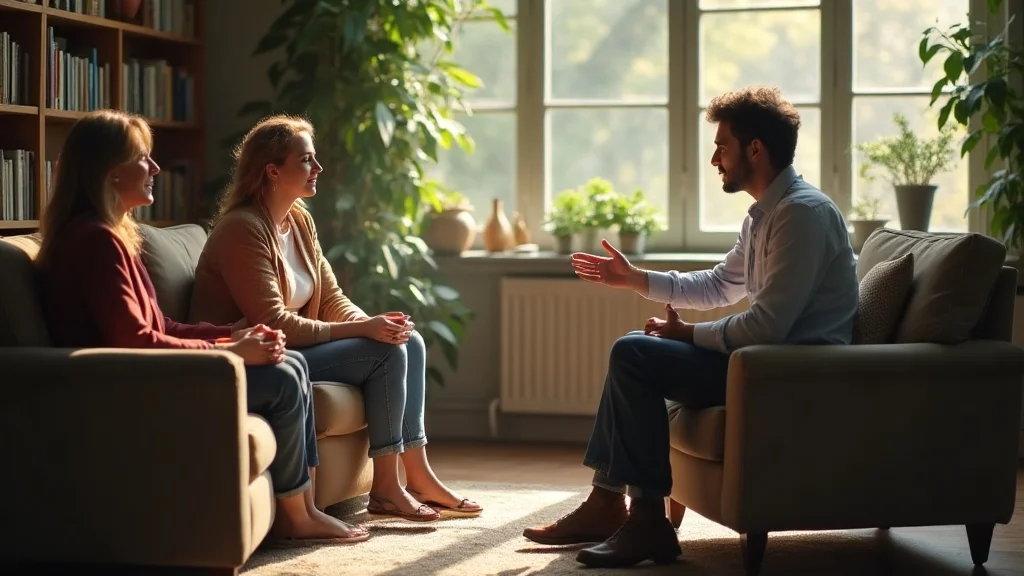
Most therapy sessions begin with an invitation for both partners to share. What has changed? What moment lingers from the week? Setting a collaborative tone early makes sense of emotional distance and surfaces patterns to be noticed together. The therapist may then guide the conversation towards specific incidents, teasing out triggers and automatic reactions. Interventions may include moments of behavioural reflection (“Let’s pause here – what do you feel in your body right now?”) and exercises drawn from focused therapy. Crucially, the session often closes with shared reflection and a gentle invitation to remain curious about what surfaced, rather than seeking immediate resolution.
How Couples Therapy Integrates Behavioural and Focused Therapy Approaches
Integrative couples therapy rarely confines itself to a single orientation. Behavioural therapy offers practical tools for interrupting entrenched cycles: techniques for de-escalating conflict, rebalancing communication, and building positive interaction. Meanwhile, focused therapy zooms in on live moments of distress or connection, supporting both partners to develop richer awareness of personal triggers. The skill of the therapist lies in attuning the intervention to the couple’s unique patterns, marrying clinical expertise with an understanding of the lived experience that sits beneath the surface. The true aim is neither compliance nor agreement, but a felt sense of safety and possibility that persists outside the therapy room.
Therapy Methods Applied in Couples Therapy Sessions | ||
Therapeutic Method | Description | Common Use within Sessions |
|---|---|---|
Behavioural Therapy Techniques | Focus on changing specific interaction patterns and building new habits of communication. | Trainer-led communication tasks, de-escalation rehearsals, practical conflict management. |
Emotionally Focused Therapy | Attends to vulnerabilities, attachment wounds, and building secure emotional bonds. | Slowing down disagreements, naming primary emotions, fostering moments of emotional meeting. |
Systemic / Relational Approaches | Looks at the relationship as a dynamic system rather than two individuals in conflict. | Mapping automatic reactions, tracing family-of-origin patterns, developing shared meaning. |
Somatic Approaches | Attention to bodily sensations and physical cues that accompany emotional states. | Body scan exercises, tracking physical holding or release in moments of conflict. |
What Research Tells Us: Success and Longevity in Couples Therapy
Research in the field of couples therapy consistently points out that meaningful change is less about time spent and more about the quality of presence within sessions. Success rates, measured by increases in relational wellbeing and reductions in distress, reflect the power of informed response and relational curiosity. It is common for couples to arrive hoping for quick solutions, yet the reality is subtler. Progress often unfolds over several months of honest engagement rather than overnight change. Realistic expectations about therapy recognise that lasting transformation emerges as couples learn to notice their own patterns – and those of their partner – with warmth and honesty, rather than defensiveness.
How Success Rates Shape Realistic Expectations

Success in couples therapy is neither binary nor bound to neat metrics. Research underscores that for the majority, meaningful improvement in emotional connection is achievable, but it is the couple’s willingness to do the work – to be honest, to pause, to risk presence over protection – that matters most. As a therapist informed by both clinical literature and lived experience, I invite couples to hold their expectations lightly but their efforts closely. Transformation is not a leap, but a succession of small, informed responses, built over time by noticing and experimenting with new ways of being together.
Staying Together: The Longer View of Couples in Therapy
Longevity in relationship is often mistaken for success. Yet, as research suggests, the deeper measure is the vitality and emotional safety restored between partners, not simply the act of remaining together. In the work of relational transformation, enduring connection is marked by a sense of possibility after rupture, rather than simply the absence of conflict. For some couples, therapy means rediscovering their ability to make sense of each other, to remain curious, and to risk intimacy again – an invitation that lasts long after therapy sessions conclude.
Skill-building in Couples Therapy: Curiosity, Communication, and Change
Couples therapy is not a passive process. Instead, it demands active participation, a willingness to acknowledge the ‘personal maze of crisis’ that each of us carries. Building relational skill centres on three pillars: developing curiosity, strengthening honest communication, and welcoming change as a series of small, considered shifts. These are not simply communication issues but profound acts of waking up to oneself and one’s partner. The skills learned within the therapy room – especially those related to pausing, asking reflective questions, and choosing informed responses – become critical tools for navigating the inevitable ruptures and repairs that characterise intimate relationships.
Using Curiosity to Interrupt Old Patterns in Couples Therapy
Curiosity is the quiet agent of transformation. It allows both partners to question habitual self-protections and to stay with discomfort long enough to glimpse what lies beneath. Whether the pattern is withdrawal, escalation, or avoidance, curiosity opens the possibility of change without shaming or blaming. Over time, repeated practice within therapy sessions builds a scaffolding: new neural pathways, the felt safety to try an alternative response, the discovery that it is possible to remain connected even as old triggers surface. This process does not erase difficulty, yet it widens the space for genuine connection and meaningful growth.
Reflective Questions for Your Next Couples Therapy Session
Consider these invitations for your next therapy session. What automatic reactions have you noticed most this week, and how did you respond? Can you pause and sense, in the moment, what your body is communicating – tightness, relaxation, a sudden urge to defend? What would your relationship feel like if you risked genuine curiosity instead of following the old script? Which need, if named softly, might make sense of a conflict before it grows? Reflective questions are not just tools for dialogue, but gentle signposts towards transformation.
Frequently Asked Questions about Couples Therapy
What is the success rate of couples therapy?
The outcome of couples therapy depends on a blend of readiness, pattern awareness, and mutual openness to informed responses. While research highlights a significant improvement in relational wellbeing for many, the critical measure is individual transformation, not just aggregated numbers.
What is the 5 5 5 rule in couples therapy?
The 5 5 5 rule is a practical framework sometimes adopted in couples counselling: five minutes for one partner to speak, five for the other, and five for reflection or joint summary. This supports clarity and encourages each voice to be heard without interruption, aligning with the invitation quality embedded in effective therapy.
What percent of couples in couples therapy stay together?
While percentages are referenced in academic research, the question of ‘staying together’ is more nuanced. The core measure for longevity after couples therapy is not simply endurance, but the vitality and safety restored between partners. For many, genuine connection replaces the mere act of maintaining a partnership.
How much does couples counseling cost in the UK?
Costs of couples therapy and couples counselling in the UK span a considerable range, shaped by therapist experience, approach, and location. In this context, true value is measured in the quality of insight, deepened emotional connection, and the possibility of profound transformation.
Beyond the Therapy Session: Sustaining Connection Outside Couples Therapy
What anchors change beyond the therapy room? Couples who finish therapy with fresh insight often report that the real work begins at home. This is not simply an extension of therapy sessions, but a testing ground for new patterns, fostered through attention and the willingness to remain curious under pressure. Building emotional safety at home starts with noticing small ruptures – a look, an absent gesture, the urge to self-protect. Each moment presents a fresh invitation to pause, to check assumptions, and to offer connection over certainty.
Building Emotional Safety at Home Inspired by Couples Therapy

Emotional safety does not live in perfect agreement. Instead, it grows in those ordinary exchanges where both partners decide, again and again, to be honest about their needs. Therapy provides tools, but daily life is where those tools earn meaning: checking in with oneself, naming discomfort, recalling the invitation to curiosity before closure. There is no prescribed checklist – only the ongoing work of attention, pause, and gentle inquiry.
Using Therapy-Informed Reflection in Everyday Conversation
Bringing the tone of couples therapy into daily conversation involves subtle practice. This might mean pausing before replying, naming an emotion that feels risky to share, or asking a question born of genuine interest rather than rhetoric. Making sense of one’s own reactions, and sharing that process openly, relaxes tension and signals safety. These moments do not erase conflict, but shift its meaning: defensive cycles become occasions for mutual reflection rather than rehearsals of the same old pain. With time, partners can learn to notice when they’re inside a ‘personal maze of crisis’, and gently invite themselves – and each other – back to informed response.
If something in you recognises this — even quietly — that’s enough. 👉 Start a conversation.https://thehovecounsellingpractice.co.uk/contact/
Take the Next Step: Transformation in couples therapy is not about erasing pain, but about waking up to the living, breathing possibilities of connection. Invite yourself to begin with curiosity.