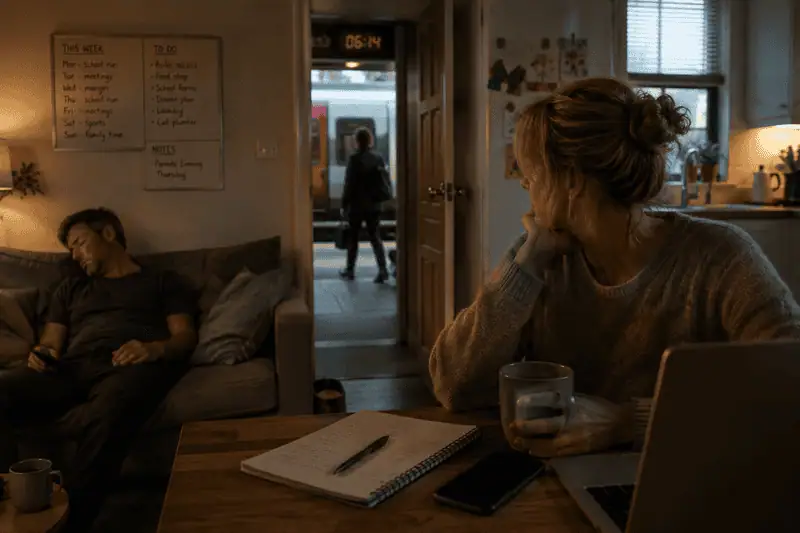
Some couples rarely speak of their struggles out loud, yet carry the weight of relationship tension quietly. If you’ve ever sat side by side but felt far apart, or tried, again and again, to be understood—without finding relief—this is for you. There’s real courage in admitting that what you share could use care, not just advice. Online couples therapy in Brighton and Hove offers a safe place for reflection, understanding, and the steadying presence many couples quietly wish for.
Feeling Stuck? Online Couples Therapy May Help
“You could be longing for gentle understanding, not quick fixes or simplistic advice. Online couples therapy gives space for both.”
You may find patterns that repeat, even when you try your best.
It’s common to feel quietly overwhelmed, especially if you’ve already reflected deeply.
A sense of shame or isolation can be present, despite good intentions.
Many people discover that cycles of misunderstanding or conflict can develop in the healthiest relationships. No amount of intention seems to budge certain patterns, and the more you reflect, the heavier it can feel. These experiences don’t mean you’re failing—they mean you’re human, and that something important is asking to be witnessed. Online couples therapy supports the kind of slow, careful conversation that rarely happens elsewhere: one where each person’s reality is respected, and where hope doesn’t come wrapped in pressure.

Some couples worry that working through video might feel distant or strange, but many who try it report that barriers soften over time. The flexibility, emotional safety, and structure of an online therapy session often invite honesty in ways that surprise even the most sceptical. Research now suggests online support can rival—sometimes even improve on—in-person work, particularly for couples who have felt misunderstood before.
How Does Online Couples Therapy Work in Brighton and Hove?
Couples Therapy Online: From Home to Therapeutic Space
Starting online couples therapy often begins with uncertainty. Your first therapy session will likely feel similar to a gentle, structured conversation—with a therapist focused on your dynamic, not just ‘problem solving’. You won’t face pressure to share before you’re ready. Privacy is taken seriously: licensed therapists use secure platforms and guide you on how to create a safe space at home, even with family around. Preparation is simple—a stable internet connection, a quiet room, and devices that are comfortable to use as a couple.
Good therapists in Brighton and Hove tend to hold presence gently, attending to both what’s spoken and what’s underneath. Many couples report that being at home creates a new kind of comfort. With time, the boundaries between screen and care often blur, making space for truth that sometimes never surfaces face-to-face. This gentleness can help couples build trust in ways that feel sustainable, even for those who worry about vulnerability.

Online Couples Therapy and Attachment Theory
Many couples notice the same arguments or worries appear long after they’ve tried to “sort them out”. Attachment theory—a gentle way of looking at how we connect—suggests that childhood patterns shape reactions now. Online couples therapy allows these patterns to be named safely, without blame. Couples can recognise together how old fears or habits show up in current interactions and gradually make space for new ways of relating.
Therapists often draw on attachment theory in their work with couples, including in a remote setting. The online format doesn’t lessen the emotional depth; in some cases, it increases couples’ willingness to admit softer emotions. Therapists can help couples shift from self-protection to reaching out, making room for a relationship dynamic that moves toward closeness—not perfection.
Why Many Choose Online Couples Therapy
Life in Brighton and Hove rarely leaves room for long commutes or logistics-heavy bookings. Online couples therapy answers this quietly: you can meet your therapist from home, before work or after the children are in bed. For many couples, the comfort of a familiar setting makes honesty feel less exposed, and emotional safety much easier to find.
Some couples use online support as a way to stay connected across distance, especially if jobs or family obligations split time between places. Others find it simply removes the anxiety of walking into a therapist’s office. Whatever the reason, couples consistently say that the chance to be together—without rushing across the city—helps them stay committed to care.
Is Online Couples Therapy Effective?
“Many couples notice: the real shift doesn’t hinge on physical presence, but on quality of attention and care.”
Research and the Experience of Couples in Online Therapy
Recent research supports what many couples have quietly hoped: online couples therapy works. Studies comparing outcomes for online couple and marriage counselling with in-person sessions show very similar results, including in areas such as conflict reduction, communication, and emotional closeness. Many couples in Brighton and Hove describe that, over time, the experience of being ‘seen and heard’ by their therapist holds just as much weight, regardless of the medium.
Feedback often highlights practical benefits—flexibility, privacy, and even feeling less exposed—which can actually improve therapy’s impact for certain couples. Technical glitches might appear now and then, but thoughtful therapists plan for these calmly, ensuring they don’t overshadow the main goal: gentle, emotional connection. When couples commit to attending with openness, the process can build trust and momentum with surprising gentleness.
What About the Gottman Method in Online Couples Therapy?
Many couples search for evidence-based support like the Gottman Method for online sessions. This method blends observation, practical exercises, and deep understanding of emotional patterns—and can be matched to online couples therapy seamlessly. Therapists trained in this approach may use specific exercises or questionnaires before sessions, but the heart of the work—a focus on real-life conversations and habits—remains the same online.
Alongside Gottman, therapists might use other focused couples therapy approaches, such as Emotionally Focused Therapy (EFT) or integrative models, adapting them to meet each couple’s unique needs and relationship dynamics in a virtual setting. The main goal is always careful attention, not a formula—and many couples appreciate the freedom to set their own pace online, rather than feeling rushed by set routines.
Common Topics Raised in Online Couples Therapy Sessions
It’s easy for any couple, no matter how reflective, to slide into misunderstandings. Over time, stress or life transitions—parenthood, career changes, even a move—can strain even the strongest connection. Couples bring every kind of story to online therapy: some seek therapy after arguments about communication, others after loss or difficult confessions, and many simply want to understand one another before stepping into marriage.
Marriage Counselling and Online Couples Support
Marriage counselling and online couples therapy often overlap, meeting couples wherever they are in their relationship. Marriage therapy can help address longstanding conflict—patterns that have felt stuck, stress built over years, or cycles of repair and disappointment. Many couples wonder if the depth and safety of marriage counselling can really arrive on a screen, but feedback suggests otherwise: a supportive online therapist can provide a safe, steady space, regardless of setting or sexual orientation.
Even couples who are unsure about staying together often discover that being heard without blame allows them to rest from constant argument. For some, this means quietly building trust again; for others, it’s a step towards honest clarity about what they need, without being told which path to take.
Couples Counselling and Premarital Counselling Online
Online couples counselling and premarital counselling offer a chance to talk about values, hopes, and the invisible work that makes relationships thrive. Rather than ticking boxes, online sessions can bring gentle depth: making it easier to name concerns about the future, blend family traditions, or discuss what fairness might look like in daily life.
Couples often report that raising these topics at home, with a licensed therapist on screen, feels less exposing. There’s space to pause, to tend to nerves, and to step back when needed. This careful pace can help couples find their own version of commitment—not the ‘right’ answer, but one that matches who they really are.
Barriers and Misconceptions About Online Couples Therapy
Some couples begin online sessions fearing the process will feel superficial, or that emotions are too ‘big’ for a screen. Others worry interruptions at home—children, pets, neighbours—will rob them of the focus they need. There are also myths: that therapy only ‘works’ face-to-face, or that a therapist can’t provide a safe environment virtually.
Honest conversations with a thoughtful therapist can help soften these fears. Most couples discover after a few sessions that the heart of therapy—the steady, absorbing focus of another person—arrives online as surely as in an office. Bringing these concerns into the open is not only common, but can gently deepen the work.
Normalising Doubt
Doubt is common—sometimes even protective. Many people enter online therapy with uncertainty about whether it ‘counts’ or whether they will be able to share openly. A skilled online couples therapist names this hesitance gently, making space for questions rather than brushing them aside. Feeling nervous doesn’t mean you’re not ready; it means you care about how this will go.
The best possible therapy respects these reservations. A therapist’s role is not to demand trust, but to earn it quietly over time. By meeting doubt without pressure, therapy can help couples move from uncertainty to a kind of careful hope.
Overcoming Obstacles to Connection
Even a few practical steps can ease the way for online couples. Choosing a time with minimal distractions, letting housemates know, or having tissues nearby can gently signal that this hour is different. Therapists may help couples negotiate how to sit, when to take pauses, or how to handle ‘stuck’ moments—always seeking a pace that feels manageable, not forced.
Meaningful connection is not about the screen, but what happens between two people. With small adjustments and steady guidance, couples often find they feel seen and heard in ways that previously felt out of reach. Each couple’s process is unique, and the right therapist will follow, not force, what is needed.
Choosing Online Couples Therapy in Brighton and Hove
Finding a Therapist Who Feels Right
The best fit isn’t only about credentials. Qualifications matter, as does specialist training—such as in the Gottman Method or emotionally-focused couples therapy—but beyond that, couples benefit from a therapist who can witness both partners without judgement. Emotional safety may mean a therapist who can hold hope without hurry and who stays warm even in discomfort.
Many couples trust their gut when choosing support, noticing not just expertise but the quality of presence. A good online couples therapist pays attention to subtleties, respects emotional boundaries, and allows each partner to move at a pace that feels right for them both.
What Support Might Feel Like
The relief of online couples therapy for many is this: you are witnessed as you are, not as you “should” be. Couples mention the comfort of not having to present solutions, but instead finding quiet acceptance. Even disagreements or stuck places are held gently—never rushed, never dismissed. Therapy can be a pause, a reassurance that you’re not alone if things feel complicated.
Real Voices: What Couples Say About Online Couples Therapy
“Therapy online was less intimidating, especially at first. We found our own way to pause and talk honestly.”
Some local couples have shared—always with care and respect—that opening up from home made vulnerable conversations possible. One couple wrote: “At first, I worried the screen would be a wall. Instead, it was a window. We both learned to say hard things and then sit in the quiet. ”
Others spoke of finding relief in not being judged for “still struggling,” and realising they weren’t odd for needing help. Gradual change—steady rather than dramatic—was the theme almost every time.
People Also Ask
Is online therapy effective for couples?
Yes, studies and client feedback show that online couples therapy achieves similar outcomes to in-person support, including improvements in communication and conflict resolution. For many, the privacy and flexibility enhance comfort and honesty, making therapy more accessible and less intimidating.
What is the 5 5 5 rule for couples?
The “5 5 5 rule” invites couples to consider: will this matter in 5 minutes, 5 months, or 5 years? While not unique to therapy, some use this as a way to pause during arguments and regain perspective. Therapists may reference it as a gentle tool—not a strict rule—to help couples step back from heated moments.
Does NHS cover couples therapy?
NHS coverage for couples therapy is very limited. Most couples access support privately. Some GPs may refer couples to free or low-cost community services, but specialist relationship or marriage therapy through the NHS is rare.
How much is online couples therapy UK?
Fees for online couples therapy in Brighton and Hove usually range from £65 to £110 per standard 50-minute session. Some therapists offer sliding scales or discounts for initial consultations. Always ask about fees, cancellation policies, and whether longer or shorter sessions are available to tailor support to your needs.
Frequently Asked Questions About Online Couples Therapy
Can we switch between online and in-person sessions?
Many therapists offer both options—changing formats can work depending on needs and schedules.Are online couples therapy sessions confidential?
Yes. registered therapists use secure platforms and follow strict privacy standards.What do we need for an online session?
A stable internet connection, a device with camera/mic, and a quiet, private space.What if I feel anxious about talking on screen?
It’s common. A sensitive therapist will help set a comfortable pace and address these feelings gently.How do we get the most from our sessions?
Agree together when to meet, limit distractions, and trust that moving slowly is allowed.
What Stays With Many After Online Couples Therapy
Many couples carry forward a sense that it’s possible to talk about what’s hard, without forcing a solution. The awareness of patterns—often simply named, not “fixed”—can feel freeing. Most of all, couples report that gentle, steady support makes honest connection possible, even in tough times.
“You don’t have to carry this alone. If you’d like support, a conversation can be a place to begin.”
To speak in confidence, call 07947 073298