
Nearly 40% of family caregivers say their relationships have changed significantly since they took on the caregiving role. For many thoughtful couples, this shift doesn’t happen overnight. It seeps gradually into the daily life they share—a change often felt before it’s ever named. The transition from partner or spouse to caregiver and care recipient unfolds quietly, challenging the connection and shared identity at the heart of a personal relationship. This is a piece for those who have felt love become a set of responsibilities, or witnessed shared laughter give way to routines. You might have searched for language to describe the strain, only to find words don’t come easily.
A Hidden Reality: Caregiving Relationship Imbalance Exposed
Nearly 40% of family caregivers say their relationships have changed significantly since they took on the caregiving role.
Caregiving relationship imbalance often develops quietly and invisibly, sometimes over months or years.
Many couples find the shift from partner to caregiver is gradual, not sudden.
The stress of caregiving can create distance even in close personal relationships, making simple moments of connection harder to recall.
Understanding Caregiving Relationship Imbalance in Personal Relationships

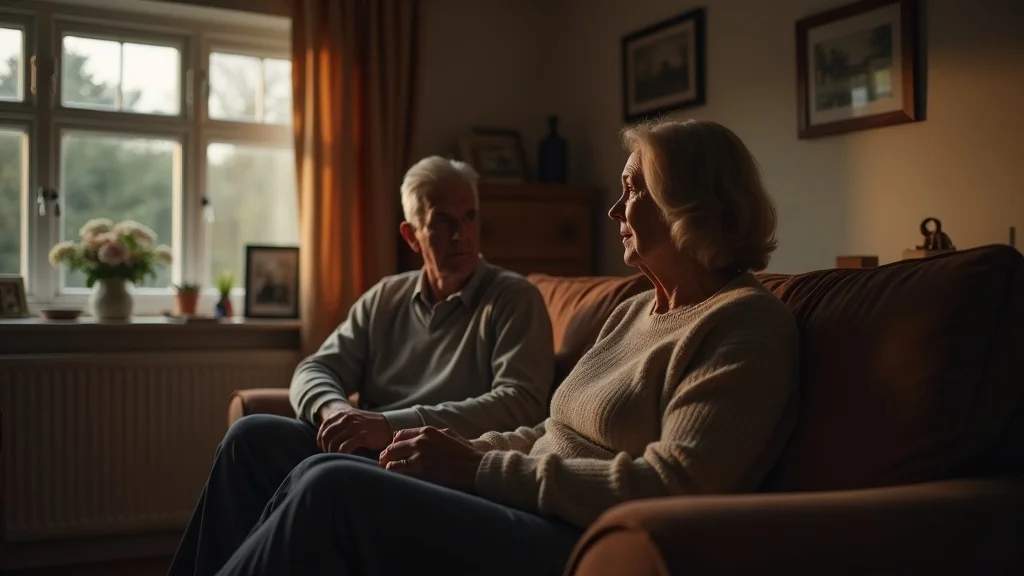
When caregiving becomes woven into the fabric of daily life, small shifts in identity can take both partners by surprise. The balance between care recipient and caregiver often develops slowly, almost without notice, as routines replace spontaneous time together. You might find that conversations shift from topics of shared interest to more practical discussions about care needs or health. For the person you care for, the stress of being ‘cared for’ by a loved one can create discomfort, sadness, or fears of being a burden.
Over time, what once felt like reciprocal partnership might tilt, leaving one partner gently holding more responsibility while the other may feel invisible. Couples with a long history together may notice subtle tension—sometimes naming it, more often simply carrying it. These quiet adjustments are not failures; they are often unspoken attempts at keeping life afloat under difficult circumstances. Recognising these patterns can be an early act of care, granting room for both grief and possibility.
Signs That a Caregiving Role Has Overtaken Love
When caregiving responsibilities begin to shape the very core of a couple’s interactions, subtle but significant changes often follow. The shift from partner to caregiver is rarely dramatic; it is a slow tide, marked by a loss of playfulness or meaningful connection. You may find yourself missing simple acts together—sitting in companionable silence, laughter over a shared joke, or physical affection that once came naturally. Instead, tiredness or unspoken frustration can settle in. Sometimes, the person receiving care may feel helpless, grappling with guilt, or sensing they are no longer seen as a partner but as a patient. This altered dynamic rarely means the love is lost; it simply transforms beneath new responsibilities.
For many, daily routines become focused on practical matters—managing medication, arranging appointments, or meeting physical needs. These tasks matter deeply, yet can overshadow the emotional connection that once defined the relationship. When every conversation turns practical, both caregiver and loved one may begin to feel unseen in their ordinary hopes and vulnerabilities. Such gradual shifts can compound, making the original partnership harder to recognise amid the demands of caregiving roles.
The Emotional Impact of Caregiving Relationship Imbalance
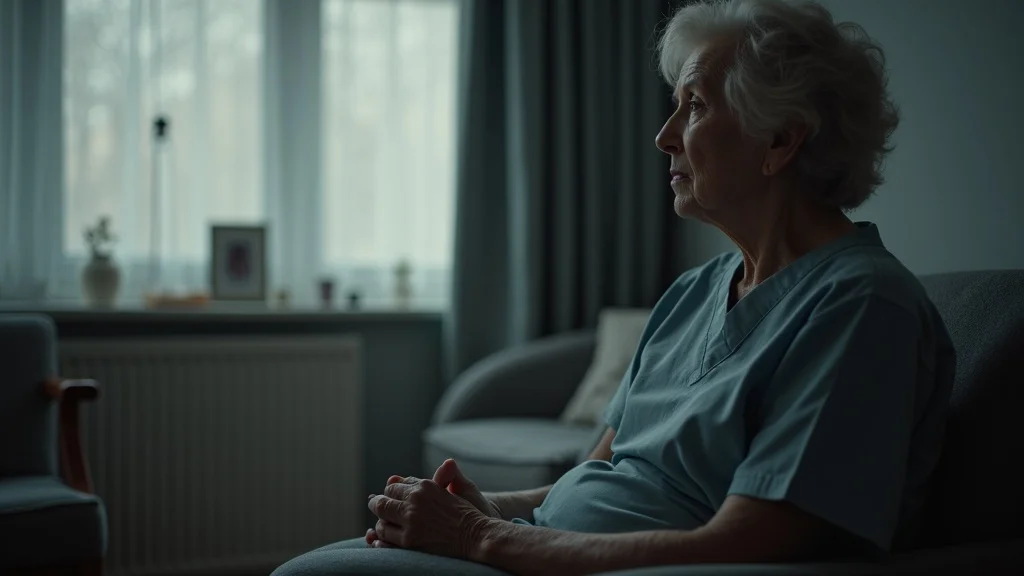
The emotional impact of caregiving relationship imbalance is often silent but profound. Both caregiver and the person receiving care may mourn for what has quietly changed. Guilt can emerge: the caregiver may feel stretched and irritable but ashamed for wishing for respite, while the care recipient may struggle with shame over needing so much help. There might be moments of sadness—an awareness that laughter, companionship, and even small daily rituals have become eclipsed by routine tasks or hushed worry.
These feelings are all the more isolating when couples sense that no one else quite understands. Outsiders may expect gratitude or perseverance, but few appreciate the private exhaustion, the profound grief for a partnership not quite what it was. This sense of divergence, of living in parallel worlds under the same roof, is one of the quiet burdens many couples carry. Yet it is also a tender reflection: a sign that the relationship matters, and that change is being felt deeply rather than denied.
Recognising Caregiver Stress and Burnout
Signs may include irritability, sleep problems, and feelings of helplessness that build up over time.
Caregiving role strain emerges as responsibilities increase, often without time to process or rest.
Communication in caregiving relationships may become strained, clipped, or sometimes absent.
| Sign | Caregiver Impact | Loved One Impact |
|---|---|---|
| Emotional fatigue | Withdraws from partner | Feels neglected |
| Physical exhaustion | Reduced patience | Hesitant to ask for help |
| Loss of intimacy | Avoids connection | Senses absence |

Many caregivers notice changes in their own behaviour long before they speak them aloud. Small resentments, sharpness in conversation, or late-night restlessness may all signal that the load is becoming heavy. Irritability is common, followed by self-criticism for losing patience with a loved one. Sleep can be fractured, replaced by worry or racing thoughts about what still needs doing. Helplessness grows as responsibilities outpace a person’s emotional resources, raising the risk of burnout.
Those receiving care might notice these shifts too, even if nothing is said directly. They may stop asking for help, sensing their partner’s exhaustion. Silence may stretch between conversations, and small acts of warmth can feel forced or awkward. The relationship—so connected to daily care and survival—may feel oddly brittle, as both partners long for comfort but struggle to reach each other. Paying attention to these signs is not self-indulgence; it is an act of care for both people involved.
Patterns in Caregiver and Care Recipient Dynamics
Routine caregiving can take on a life of its own within a personal relationship, sometimes making old habits invisible.
Some couples notice that roles become harder to set down, even when there’s time or opportunity to reconnect.
Balancing caregiving responsibilities and emotional needs is complicated—experiencing struggle is not a sign of personal failure.
Many partners silently wonder: ‘Are we still ‘us’ or only carer and care recipient?’

There are patterns in every caregiving relationship that can shape the emotional weather of daily life. Over time, what began as a supportive gesture—bringing a cup of tea, helping with a difficult day—may become the default mode of relating. The caregiving role, once a response, settles into a persistent identity. This pattern isn’t deliberate, but couples may notice they slip into their roles even on better days, or when there’s time to simply be together. The original sense of ‘us’ becomes hard to find, replaced by functional interactions and careful negotiations over needs.
You might also observe that letting go of caregiving roles is tricky, not just because your loved one still needs support, but because the pattern itself now feels automatic. Restoring moments of light connection, humour, or affection can feel vulnerable after periods where every interaction served a necessary purpose. These patterns are common, especially for partners who never expected to find themselves negotiating the identity of carer and care recipient in their own relationship. Gently naming these patterns can allow room for change, without blaming yourself or your partner.
Managing Caregiving Challenges With Humanity
Try noticing small ways caregiving relationship imbalance plays out in your daily routines.
It’s ordinary to feel frustration, grief, or even resentment during periods of adjustment—these are not failings.
Gentle communication can help restore shared purpose or a sense of meaning, even if it takes practice.
Managing caregiving challenges isn’t about finding perfect solutions—it’s about giving space to the reality that caring is demanding, and sometimes hurts. Noticing the moments where you react out of frustration, or feel unseen in your own needs, can be an act of self-respect. Many people feel relief just from having these experiences acknowledged, rather than pushed aside. Recognising that strong emotions are ordinary during this period makes the struggle easier to bear.
Small acts of softening—leaving a kind note, asking if someone wants to talk or be left alone, sharing a childhood memory—can help to gently reintroduce connection. Communication in caregiving relationships doesn’t have to solve every issue. Sometimes, naming the moment (“I’m tired,” “This is hard for both of us”) is enough to reduce tension and allow mutual compassion, even in small doses. Over time, such moments can accumulate, allowing the relationship to contain both care and companionship.
Caregiver Mental Health: A Quiet Crisis
Caregiver stress and burnout often go unspoken, leading many to suffer in silence.
Moments of emotional exhaustion are not moral failings—they are understandable outcomes of chronic care demands.
Support for caregivers is a care for the whole personal relationship, not just for one member.

Caregiver mental health is quietly at risk in many homes, especially when personal relationships become overshadowed by practical demands. The emotional toll—marked by chronic fatigue, anxiety, or a persistent sense of isolation—often remains invisible to those outside the relationship. Many family caregivers press on out of love or a sense of obligation, hiding exhaustion until their own health begins to decline. This crisis is rarely dramatic but can be felt deeply in the cracks of daily life, from fleeting moments of frustration to an overwhelming sense of never having done enough.
This could mean a quiet hour alone, seeking a listening ear, or simply pausing to ask, “What feels hardest right now?” Such habits are not selfish indulgence—they are acts of care that protect the foundation of the relationship from crumbling beneath the weight of constant responsibilities
Communication in Caregiving Relationships
Communication in caregiving relationships often undergoes subtle changes as the daily pressure mounts. The content of conversations may become practical, problem-focused, and emotionally sparse. Light-hearted exchanges and laughter may seem out of reach, replaced by clipped requests or silence. Couples can find themselves speaking more about what needs doing than about what still brings them together, making small moments of levity rare and precious.
Gently naming these shifts can be a source of relief. Words that acknowledge mutual difficulty—“We’re both finding this hard,” or “I miss how we used to talk”—help create space for genuine emotion and softness, even if resolution isn’t immediate. This kind of honesty isn’t easy; it asks both partners to set down their roles briefly and speak as equals about what hurts, what they long for, or what feels missing. Even sporadic moments like this can strengthen the relationship, creating a buffer against the strain of ongoing care.
Balancing Caregiving Responsibilities: Permission to Matter

In relationships affected by caregiving relationship imbalance, it is common for at least one partner to unconsciously sideline their own needs. This may be rooted in love, in habit, or in the cultural expectation that self-sacrifice is a virtue. But the ongoing neglect of personal needs can leave both people feeling depleted—one partner consumed by giving, the other sensing they are an imposition. Recognising this pattern does not diminish the act of caring; it affirms the value of both people within the relationship.
You are allowed to matter. This recognition might arrive quietly—a pause before agreeing to another request, a gentle assertion about a personal need, or even an admission of fatigue. Balancing caregiving responsibilities is an evolving practice, not a test of loyalty or care. When partners begin to speak again about hopes, comforts, or boundaries, the caregiving role can expand to include emotional support and genuine togetherness, rather than duty alone.
Support for Caregivers Without Pressure
Support for caregivers takes many forms. Some find solace in community groups or informal support circles, where shared stories and gentle laughter help lighten a heavy load. Others benefit from therapy—a space to quietly reflect, process emotions, and rediscover the contours of their own needs. Speaking your truth to someone else, or listening to the unfiltered experiences of others, can bring relief and clarity. The key is not in the form of help, but in the willingness to acknowledge that human limits exist.
Caregivers are not failing by seeking support; they are naming what is true for them and their relationship. Such acts of honesty often soften the edges of distress, creating an opening for hope, change, or at the least, recognition. For many, this is the first step in repairing the quiet gaps that caregiving role strain can create.
Is Your Relationship Carrying Too Much Caregiving Imbalance?

Taking a moment to pause and notice your experience is itself significant. You may recognise the onset of sadness or irritation that comes without warning. Sometimes you might feel numb, unsure whether it’s tiredness or something deeper. Acknowledging these patterns—naming them aloud, even just to yourself—can be a relief. This is not dramatic or self-indulgent; it is the work of caring for yourself, so you remain available to the one you love, and to yourself as a whole person.
Even if your partner cannot join in this conversation yet, recognising the load you are carrying may start to shift the experience. Small acts of reflection can lead to larger movements, softening patterns that too easily become a silent norm in households shaped by caregiving.
Comparing Caregiver Stress and Burnout to General Life Stress
| Type of Stress | Common Signs | Long-term Risks |
|---|---|---|
| Caregiver Stress/Burnout | Guilt, over-responsibility, isolation | Relationship strain, depression |
| General Life Stress | Irritability, fatigue, minor frustration | Usually resolves with rest/support |
Small Reminders for Emotional Survival

Emotional survival in a care-based relationship doesn’t always require grand gestures. Often, the gentlest reminders are the most sustaining. Notice the moments when you feel both love and frustration. Allow yourself to seek support, recognising that this serves not only you, but the relationship as a whole. Your caring does not have to mirror anyone else’s. What matters is the quiet persistence of care—for your loved one, yourself, and the connection you share.
How does caregiving affect relationships?
Caregiving relationship imbalance can reshape how partners feel about each other, altering roles and emotional connection.
Many notice gradual shifts in intimacy, communication, and shared goals, sometimes greater than anticipated.
The stress of caregiving can create tension, but also new forms of tenderness if these experiences are acknowledged together.
What is the 5 5 5 rule in relationships?
The 5 5 5 rule is sometimes used as an informal check-in: will this matter in 5 minutes, 5 days, or 5 years?
Within a caregiving relationship imbalance, couples may use it to pause before reacting to stress, making space for reflection before responding impulsively.
What does caregiver inconsistency lead to?
Inconsistent caregiving may increase stress for both the caregiver and the care recipient, raising anxiety and uncertainty.
Personal relationships can feel unpredictable or lacking in safety, as each person is unsure what to expect.
Sometimes both partners withdraw or become defensive as a way of protecting themselves from disappointment or frustration.
What are three signs of caregiver stress?
Frequent feelings of overwhelm or anxiety that disrupt daily functioning.
Physical symptoms, such as headaches or persistent sleep loss, that do not resolve easily.
Loss of connection or irritability in personal relationships, even with previously close family members.
FAQs: Caregiving Relationship Imbalance and Personal Relationships
How can couples maintain connection during caregiving role strain?
Many couples find that honest, gentle conversation—naming what feels hard—can reconnect them slowly. Small acts of care, humour, or simply sharing time together outside routine tasks can revive shared meaning.Are there gentle ways to talk about feeling like ‘just a carer’?
Quietly acknowledging, “I sometimes feel more like a carer than a partner,” can start an honest conversation. Focusing on what feels important for both people creates the possibility of change without assigning blame.What resources support caregiver mental health in the UK?
Support is available through local carer centres, trusted therapists, community groups, and online forums (e.g., Carers UK, Mind). Accessing these does not mean you are failing; it is a way of protecting your relationship and your well-being.
Key Takeaways About Caregiving Relationship Imbalance
Relationship imbalance develops over time—naming it is a compassionate first step to easing distress.
Caregiving places stress on connection, but also reminds couples of their quiet resilience and capacity for adaptation.
Soft support for caregivers and honesty about emotional impact can help restore—bit by bit—a sense of balance.