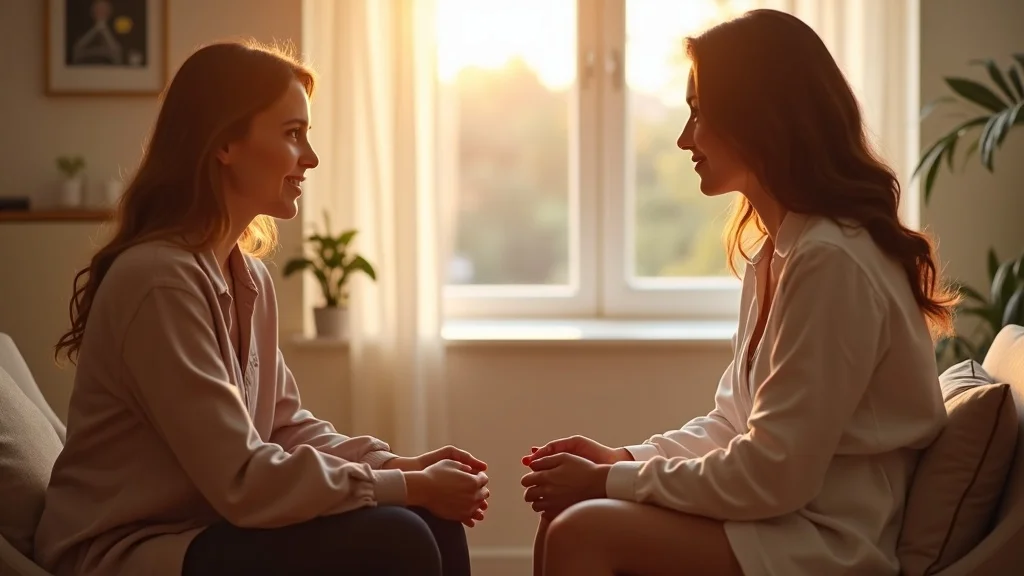
Sometimes, emotional loneliness in relationships is not thunderous or dramatic—it lives quietly in the moments that once shaped closeness. You sit side by side after a long day, sharing a room but feeling the distance like a chill no one admits. Perhaps you’ve tried talking, softened your hopes, or reminded yourself to be grateful. Still, something inside aches: you care, you stay, yet you feel alone. Many couples, especially those who value kindness and reflection, notice this quiet ache and wonder if it’s theirs alone to carry.
A Quiet Ache: Feeling Lonely Beside the Person You Love
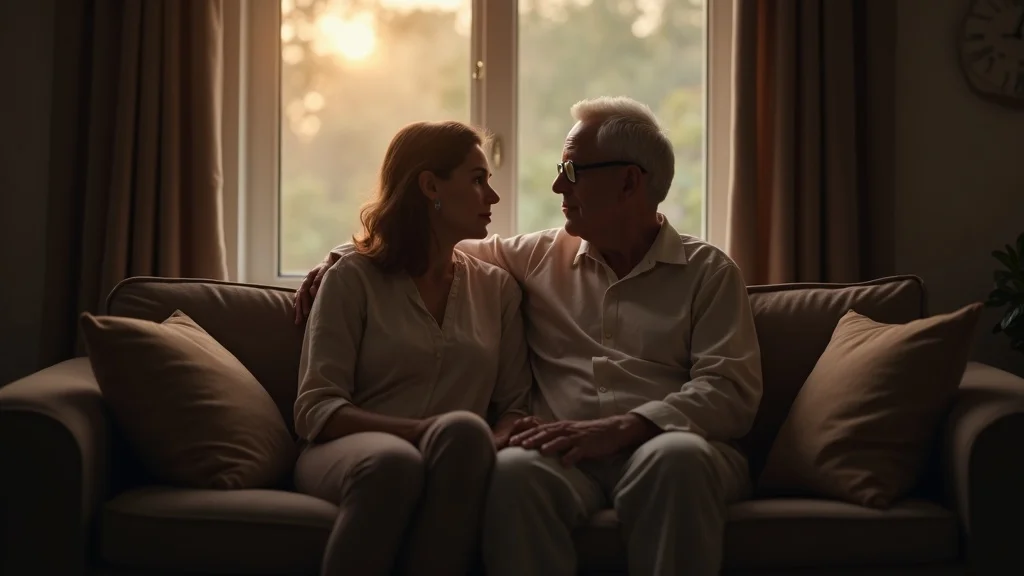
Sharing your life with someone can sometimes feel lonelier than being alone. You may find you go through daily routines, yet a part of you yearns for the sense of being seen and understood. Emotional loneliness in relationships often leaves us feeling guilty for our sadness, as though loving someone should protect us from this gap. But gentle connection tends to fade under the weight of roles, work, and unspoken worries. Beginning to name this loneliness, without blame or judgement, offers a soft first step—a way of recognising pain that deserves tenderness rather than shame.
Many people notice emotional loneliness in relationships during quiet moments: the absence of ease, the sense that you miss your partner even when they’re present. Through calmly noticing these feelings, you open space for reflection. Below, you’ll encounter nuanced explanations for how this form of loneliness develops, steps toward awareness, and ways couples therapy can gently support healing—without urgency or pressure.
Naming the Invisible: What Is Emotional Loneliness in Relationships?
Defining Emotional Loneliness in Relationships and How It Differs from Physical Loneliness

There’s a meaningful difference between physical loneliness and the more subtle, pervasive ache of emotional loneliness in relationships. You may share a home, a bed, and a life—yet find yourselves circling the same routines with little emotional contact. Being alone speaks to physical absence; emotional loneliness is the sensation that your emotional needs aren’t tended to, even in the presence of someone you love. This sense of loneliness within the relationship affects many thoughtful partners, leaving them quietly struggling with shared space but unshared worlds.
Loneliness in a Relationship: Myths and Realities
Lasting relationships do not provide automatic protection against emotional loneliness. Many people hold the quiet hope that partnership will be an antidote to feeling alone. The reality is that emotional disconnection can occur at any stage—not as a sign of failure but as a human experience. Loneliness in a relationship is often hidden behind smiles and polite routines, particularly among those who care deeply and value shared experiences. Naming this openly removes the stigma and provides the space to reflect with care, not criticism.
Why Emotional Loneliness in Relationships Might Happen
Patterns That Lead to Feeling Lonely in a Relationship

Emotional loneliness in relationships doesn’t arrive overnight; it’s shaped by patterns. Everyday life—work stress, social media, child-rearing, or simply “getting through”—gradually shifts couples from easy connection to silent distances. Emotional intimacy can erode under small stresses, unresolved misunderstandings, or nervous system fatigue. Even gentle partners may find themselves turning away, not with malice, but out of sheer overwhelm, tiredness, or habitual retreat. Add the pressures of parenting, being the “strong one” in a partnership, or an increased focus on those around you, and subtle drift can build into persistent disconnection.
Couples Therapy’s Insights on Emotional Loneliness
Relationship experts from gentle couples therapy circles observe that distance is a common—though often unspoken—part of partnership. Patterns develop, usually out of unarticulated needs or misunderstood signals. Couples therapy doesn’t look to assign blame but instead brings awareness to how these patterns arise. When you treat emotional loneliness in relationships as a shared experience—rather than a single partner’s “lack” or “shortcoming”—it becomes easier to slow down, notice the emotional climate, and find space for safety and kindness.
Signs of Loneliness in a Relationship: How Might You Notice It?
Emotional Loneliness in Relationships: Practical Indicators
- Infrequent meaningful conversation
- Feeling misunderstood even while your partner is present
- Missing your partner while they’re in the same room
- Dreading honest conversation for fear of distance widening
- Turning away from moments of emotional intimacy
- Subtle quietness or emotional flatness

Many people may not realise emotional loneliness in relationships until it appears in simple moments: the conversations that run on autopilot, the absence of laughter, or the hesitation to reach for a partner’s hand. Other signs include feeling misunderstood, longing for shared vulnerability, or a persistent sense of emptiness when meaningful connection feels out of reach. A partner may dread honest conversation, quietly fearing it will reinforce the space they already sense. Turning away from emotional intimacy, responding with emotional flatness, or missing the person you love despite their physical presence can all be subtle but powerful signals.
Feeling Lonely in Your Relationship: When You Can’t ‘Just Connect’
Feeling lonely in your relationship is rarely fixed by quick tips or dates, particularly if underlying emotional needs go unacknowledged. You may notice that attempts to cheer each other up, organise a date night, or solve problems fail to soften the sense of loneliness. The pain deepens when you feel like your partner doesn’t see, hear, or recognise your experience. What may begin as a small ache can become a quiet suffering—something that even those deeply committed often carry silently. Recognising this isn’t a failure but a call for gentle awareness, not immediate fixing.
How Emotional Loneliness in Relationships Affects Mental Health

| Experience | Emotional Loneliness | Physical Loneliness |
|---|---|---|
| Presence of Partner | Yes | Possibly No |
| Emotional Intimacy | Fragile/Low | Variable |
| Mental Health Impact | High | Variable |
Emotional loneliness in relationships can quietly impact mental health. Unlike short-lived moments of feeling alone, ongoing emotional disconnection can increase feelings of shame, sadness, or numbness. This is not a simple sense of emptiness, but a deeper fatigue that lingers even with good intentions and care. Mental health may suffer quietly—sleep struggles, difficulty concentrating, or growing irritability. Recognising this difference matters: not all loneliness is the same, and understanding the particular pain of emotional loneliness within relationships opens the possibility for self-compassion and healthy boundaries.
‘Isolation in Company’: What Relationship Experts Say
- The soft crisis of sharing a home but not a heart
- Why reassurance is rarely enough
Relationship experts often call this “isolation in company”—living together, sharing routines, but not feeling close. For couples who value emotional awareness, reassurance alone rarely soothes the ache. The solution isn’t “just spend time” or “be more positive,” but gently tuning into what underlies the disconnection. Sometimes, noticing the pain is itself a step toward change, allowing space for each partner’s voice to surface with care.
Gentle Reflection: Have You Felt Emotional Loneliness in Your Relationship?
In the quiet moments, what feelings surface? Perhaps you sense resignation, a wish to be seen, or a gentle ache that has become familiar
A Subtle Dance: Relationship Dynamics That Nurture or Neglect Emotional Intimacy
Emotional Intimacy: The Bedrock of Connection

Emotional intimacy is what allows partners to feel close, secure, and seen. It’s not a guarantee against loneliness but provides everyday protection—a sense that your inner world is safe in your partner’s company. Years of stress, life transitions, or old wounds can thin this intimacy; routines may replace curiosity, responsibilities outweigh moments of mutual care. For many couples, giving attention to small gestures—checking in emotionally, gentle touch, honest conversation—creates ripples toward connection. When emotional intimacy wears thin, noticing rather than forcing renewal tends to work best.
Relationship Patterns: From Childhood to Adult Love
How we relate as adults is often connected to earlier emotional experiences. Childhood environments that felt unpredictable, distant, or overburdened can lead us to certain patterns in adult love—perhaps withdrawing under stress, or working hard to please. Relationship experts gently suggest that unlearning these patterns isn’t about criticising yourself, but in slowly noticing how they show up and allowing space for new ways of relating. Self-awareness softens the grip of old habits, welcoming kindness where shame used to settle.
How Couples Therapy Addresses Emotional Loneliness in Relationships
| Aspect | Approach |
|---|---|
| Communication | Slows conversation, builds safety |
| Emotional Insight | Helps name feelings |
| Resilience | Builds gentle capacity |
What Relationship Experts Say About Tending Loneliness
“Therapy isn’t about changing your partner — sometimes it’s simply holding your experience with care.”
Couples therapy offers a unique space to name loneliness without rushing to fixes. Rather than instructing or prescribing, therapists gently notice patterns, helping both partners slow down and find language for experiences they may never have spoken aloud. Therapy validates pain but does not collude with avoidance. The soft holding of experience can make it possible to re-approach each other with courage, not criticism.
Common Patterns and Protective Factors in Emotional Loneliness
- How life transitions (children, ageing, loss) can nurture loneliness
- The pressures of ‘being the strong one’
- Ways to grow gentle resilience as a couple
- Protective factors:
- Permission to be honest
- Gently noticing recurring patterns
- Small moments of emotional check-in
- Outside support or couples therapy
- Respect for fragility, not just strength

Life transitions—such as becoming parents, moving through losses, or facing ageing—can amplify emotional loneliness in relationships. The person who often carries burdens quietly (“the strong one”) may feel overlooked or stuck in a role. Building resilience doesn’t depend on grand gestures; instead, small permissions matter: honesty about feelings, checking in instead of checking out, and seeing therapy as support rather than failure. Couples who notice and respect vulnerability—not just demonstrations of strength—tend to ease loneliness with greater success.
When You’re in a Relationship But Feel Alone

When you’re in a relationship but feel alone, the emptiness can be hard to describe or even admit. Shared moments may lose their warmth, leaving you feeling like an observer in your own story. Shame can arise, amplified by the belief that strong couples shouldn’t feel this way. Yet, many people in loving relationships find themselves with a sense of loneliness—struggling to reconcile their internal experience with the external image of commitment. Pausing to notice, rather than criticise or analyse, can be the first gentle step toward a different kind of connection.
What Is the 3 6 9 Rule in Relationships?
The “3 6 9 rule” is sometimes mentioned in relationship circles, referring to reflective points (three, six, or nine years in) when couples may become aware of shifts in connection. While such frameworks can help normalise ups and downs, they risk turning ordinary struggles into self-judgment—“We’re at year six; maybe that’s why we feel lonely.” Patterns can guide gentle attention, but they don’t decide your story. Tuning into your unique experience with compassion matters far more than external rules.
What Are the Signs of Relationship Loneliness?
| Emotional Sign | Behavioural Example |
|---|---|
| Feeling misunderstood | Disinterest in conversation |
| Mourning past closeness | Avoiding physical contact |
| Dread of vulnerability | Skipping difficult subjects |
Recognising the signs of loneliness in a relationship can ease self-blame. Feeling misunderstood, longing for closeness you had before, or dreading vulnerability in conversation are common. Many sensitive couples encounter these moments—skipping subjects, avoiding eye contact, or withdrawing subtly after conflict. These are not signs of failure but invitations to reflect. Even naming the signs can relieve the silent pressure to fix or perform, allowing a softer, more humane understanding.
When Your Partner Makes You Feel Lonely
It can be difficult when your partner seems emotionally distant, leaving you feeling unnoticed or unseen. Rather than criticising or rushing to blame, allow yourself the honesty of your own sadness. Relationships are shaped by mutual patterns, not perfect balance sheets: blame rarely soothes the pain and can deepen the sense of isolation. Instead, gentle self-connection—a walk, journaling, or simply noticing your feelings—is sometimes the kindest step available. Naming your experience, softly and without apology, is often where authentic change can begin.
Gentle FAQs: Emotional Loneliness in Relationships
- Is emotional loneliness in relationships a sign of failure?
No. Many couples who care deeply for each other quietly experience this. It speaks to unmet emotional needs, not a personal or shared failing. - Can couples therapy help with feeling lonely in a relationship?
Yes, couples therapy provides a space to notice patterns, voice feelings safely, and repair emotional intimacy without rushing. - How do I talk about emotional loneliness in my relationship without blaming?
You might begin with “I notice…” or “I feel…” rather than accusations. Naming your experience can open gentle dialogue. - Is emotional intimacy the same as never feeling lonely?
No. Even in emotionally close relationships, moments of loneliness arise. What matters is how gently you notice and respond. - What if my partner doesn’t want to talk about loneliness in our relationship?
Begin with small observations, model self-awareness, and gently invite conversation. If talking is very difficult, outside support may help. - How can emotional loneliness in relationships affect other parts of life?
It can influence mood, concentration, and physical wellbeing. Over time, unaddressed loneliness within a relationship may affect sleeping, connection to friends, or even workplace confidence.
Gentle Key Takeaways for Couples Feeling Lonely in a Relationship
- Feeling emotionally lonely in relationships is a human experience, not a personal failing.
- Gentle noticing invites the possibility of change.
- Emotional loneliness in relationships can be spoken about softly — and deserves a respectful hearing.
- Therapy is one space where this experience can be held with care.
If You Feel Emotional Loneliness in Relationships: A Gentle Invitation
- You don’t have to carry this alone
- If something in you recognises this — even quietly — that’s enough. 👉 Start a conversation.