Did you know that more than 70% of UK teenagers admit to feeling worse about their appearance after browsing Instagram? A powerful image-driven platform, Instagram’s carefully curated feeds don’t just present filtered realities—they can alter self-esteem, fuel insecurity, and ripple through mental health
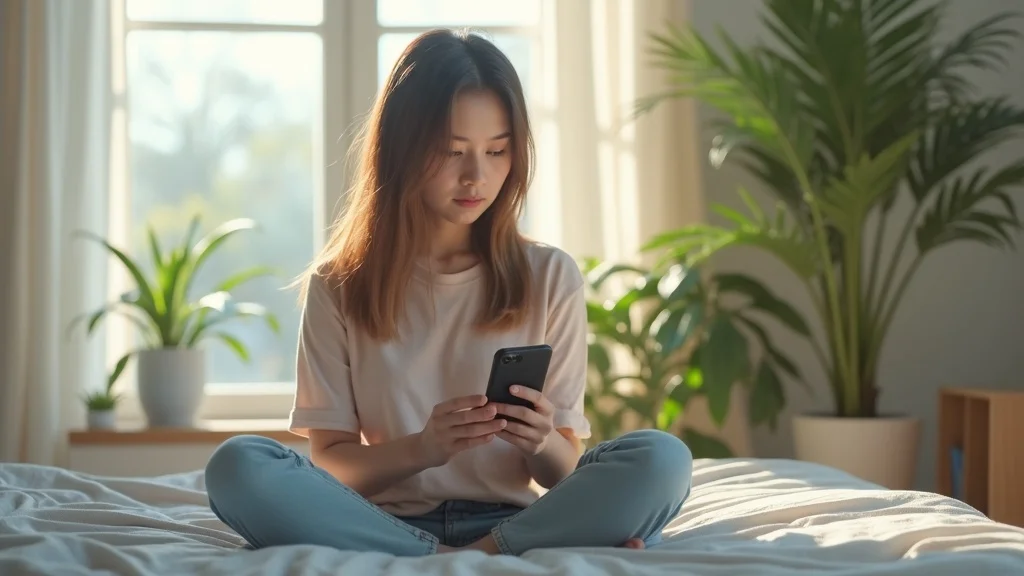
Startling Facts: Instagram Comparison Disorders and the Prevalence of Social Comparison
How High-Aesthetic Feeds Influence Our Perceptions
Social media, particularly Instagram, operates as a visual diary where beauty, travel, fitness, and lifestyle are displayed with cinematic polish. When every scroll exposes users to flawless aesthetics—the so-called “highlight reel”—we naturally compare our own lives and appearances. This form of social comparison is powerful. Research demonstrates that repeated exposure to unattainable ideals can negatively impact mental health, nurturing instagram comparison disorders including anxiety, jealousy, and self-critical thought. Real-world implications emerge: youths, notably, shape their self-image and perceived worth around these constant digital cues.
The feedback loop is further fuelled by the brain’s reward system. Likes and comments—measured in real-time—become digital currency, perceived as direct validation or rejection. Those with fewer online accolades may stew in self-doubt or obsessive comparison. Instagram’s design magnifies these tendencies, with algorithms reinforcing content users already engage with. Over time, what may start as inspiration can evolve into chronic dissatisfaction, even loneliness. The prevalence of such issues signals the growing need to understand, and actively safeguard, mental health against the subtle but significant impact of high-aesthetic social feeds.
“A 2023 survey revealed that over 70% of UK teenagers felt worse about their appearance after browsing Instagram.”
Defining Instagram Comparison Disorders in Social Media Culture
Understanding ‘e c’: Roots of Instagram Comparison Disorders
The roots of instagram comparison disorders are grounded in a psychological process called “e c”—evaluative comparison. The act of scrolling through Instagram and gauging one’s own life or appearance against carefully crafted images creates fertile ground for self-doubt. On social platforms, curated content and filtered realities often overshadow the genuine and imperfect moments of day-to-day life. As this cycle repeats, the feelings it activates may intensify.
Social comparison isn’t new, but the speed, frequency, and visual intensity found on Instagram makes it particularly potent. The continuous parade of aesthetic ideals doesn’t just benchmark standards of beauty; it moulds expectations around success, friendships, and lifestyle choices. This process can distort priorities, causing people—especially those most vulnerable—to internalise unrealistic values. The longer users engage, the greater the risk for entrenched negative self-perception, laying the groundwork for broader mental health struggles connected with instagram comparison disorders.
Social Comparison and the Cycle of d Social Media Validation
Social media validation—where users seek constant approval in the form of likes, comments, and follows—creates a psychological cycle that can be difficult to break. Initial interaction might deliver brief satisfaction, but the need for affirmation grows. As individuals curate their feeds to match prevailing standards, they relinquish personal authenticity in favour of external validation.
The cycle is self-reinforcing: content that receives engagement is amplified by Instagram algorithms, making it more visible and giving it social value. This amplifies the perceived gap between reality and the Instagram “ideal”, prompting users to feel they must measure up. Such behaviour magnifies the risk of emotional responses deeply tied to comparison—and points towards a need for more conscious use of social platforms. For those seeking practical ways to manage anxiety that arises from these cycles, exploring evidence-based counselling approaches for anxiety in Brighton can offer valuable support and coping strategies tailored to social media-related stress.
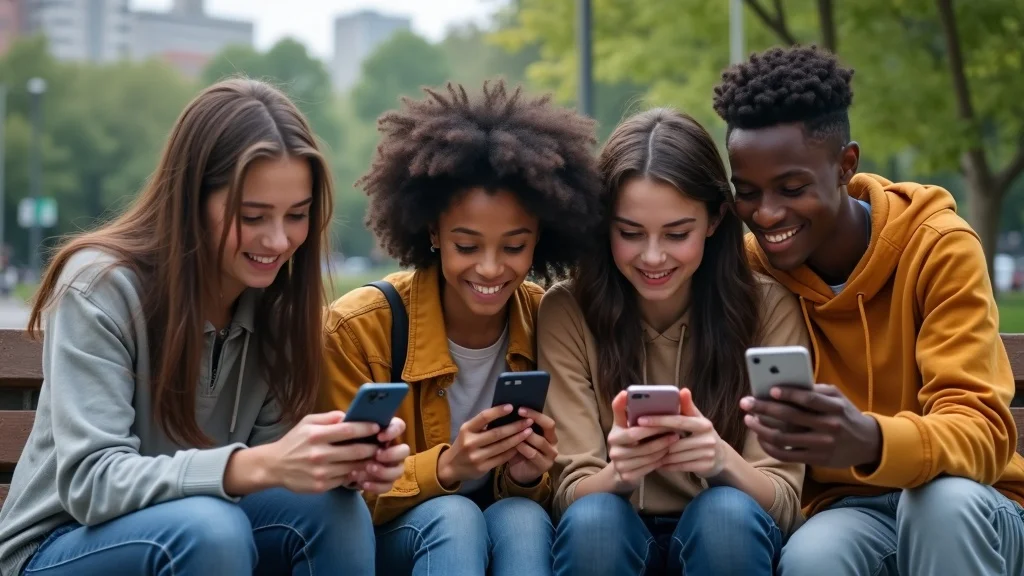
The Viral Appeal of High-Aesthetic Instagram Feeds: An Emotional Resonance Phenomenon
Psychological Triggers of Instagram Comparison Disorders
Instagram’s design heightens psychological triggers through a mix of peer influence, algorithmic content delivery, and dopamine-driven engagement rewards. Each time individuals encounter a post garnering thousands of likes or comments, emotional resonance can provoke comparison and envy. The underlying message is subtle but powerful: aesthetic perfection and popularity are achievable and expected.
The impact is far from superficial. Individuals experiencing instagram comparison disorders frequently describe feeling left out or inadequate, even when they intellectually recognise the curated nature of online posts. The social scrutiny for not achieving these online standards breeds further anxiety, compounding struggles with self-confidence or body image. The comparison is not limited to celebrities or influencers—friends and acquaintances also set benchmarks, further intensifying the cycle.
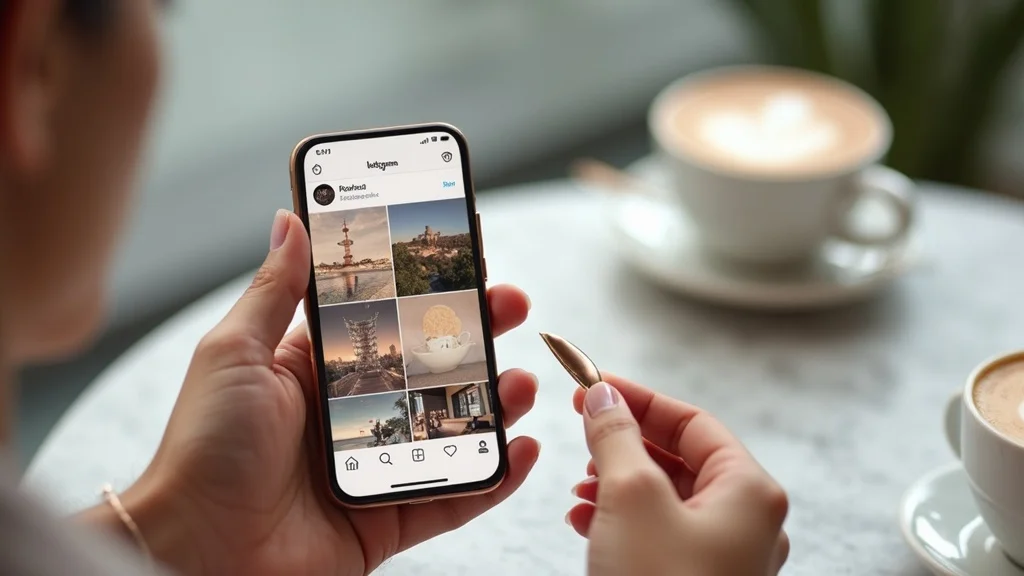
Algorithmic Amplification: Social Media and Body Image Ideals
Instagram’s algorithm doesn’t merely reflect trends; it multiplies their force and reach. By favouring popular, visually compelling content, the platform ensures that posts fitting a certain aesthetic — slim bodies, flawless skin, or opulent lifestyles — dominate user feeds. This repeat exposure encourages a subtle but relentless comparison, fuelling insecurity for anyone who feels outside these narrow bounds.
The interplay between social comparison and algorithmic amplification isn’t accidental; it holds financial value for platforms as users remain engaged, cycling between admiration, envy, and self-criticism. Body image is especially at risk of distortion, linking directly to the increase in eating disorders, body dysmorphia, and low self-esteem among vulnerable populations. Instagram comparison disorders represent more than just fleeting jealousy — they signal a structural issue in the mechanics and marketing of online aspiration.
Social Comparison, Body Image, and Instagram: A Closer Look
Defining Life Modelling in Contexts of Social Comparison
Life modelling describes how individuals measure their appearance, achievements, and choices in relation to those showcased by “role models” on Instagram. This process intensifies direct micro-comparison, where the focus narrows to minute details eg. who has clearer skin, a smaller waist, or a more glamorous social circle. For many, especially young women, this constant benchmarking shapes both their day-to-day mood and broader identity.
The intent behind posting—celebrating milestones, sharing creativity—may be genuine, but the consequences are often shaped by the reactions these images elicit. Social comparison is further compounded by the perception of authenticity: highly curated posts feel real even if they are staged or edited. As Instagram comparison disorders take root, users start internalising unattainable standards, undermining appreciation for their diverse and authentic selves.
Body Image Struggles on Instagram and Other d Social Platforms
Instagram is far from the only social platform fuelling body image woes, but its visual-first approach amplifies these pressures. Users—especially adolescents—report feeling judged and inadequate after scrolling through fitness and beauty accounts, yet are often compelled to return in search of validation. Body dissatisfaction becomes an accepted side effect of participation in these online spaces.
This is not limited to celebrities or influencers; peer posts showing transformations or seemingly effortless lifestyles can be equally detrimental. Social media is designed to make users compare, and those struggling with their own sense of self are especially prone to the resulting negative effects. Over time, instagram comparison disorders manifest as persistent preoccupation with appearance, leading to anxiety, compulsive checking, and sometimes riskier behaviours to “fit in.”
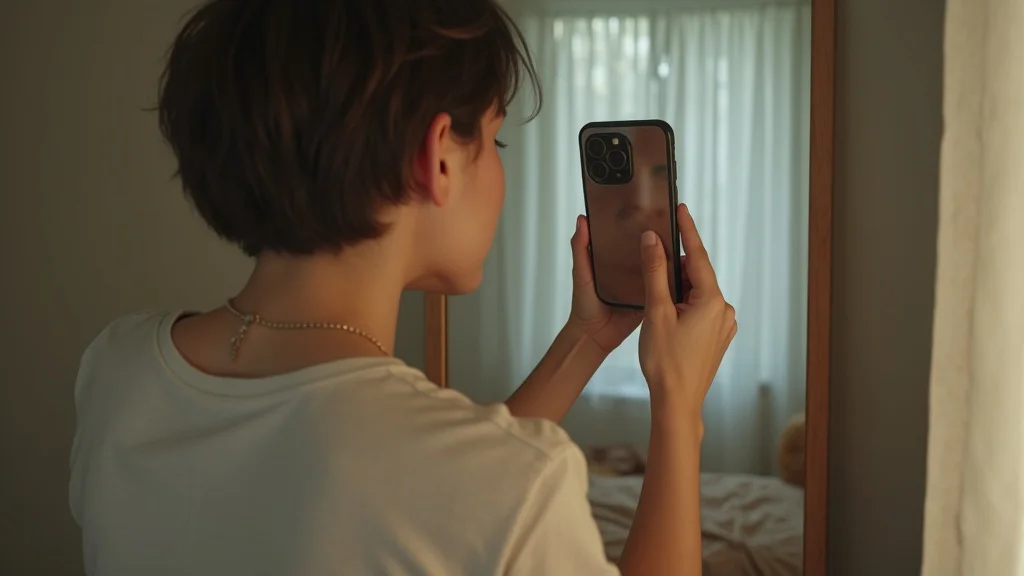
Emotional Comparison, Digital Hunger and the Rise of Instagram Comparison Disorders
From Likes to Loneliness: The Invisible Toll on Mental Health
While Instagram supplies a sense of connectivity, it also sets the scene for emotional isolation. Success is tracked through numbers—follower counts, likes, shares—rather than meaningful interactions. This focus on measurable social capital leaves many feeling unnoticed or undervalued when those numbers don’t measure up. Digital hunger for affirmation can escalate into full-blown distress.
Over time, these patterns drive users from brief joy to extended loneliness. Instagram comparison disorders thrive in this vacuum. The lack of genuine connection fuels both anxiety and sadness, particularly among those already vulnerable due to life circumstances, mental health history, or lower self-esteem. The chase for validation becomes a source of distress instead of reward, and the toll remains largely invisible to friends and family.
Early Warning Signs of Deteriorating Mental Health in Social Media Users
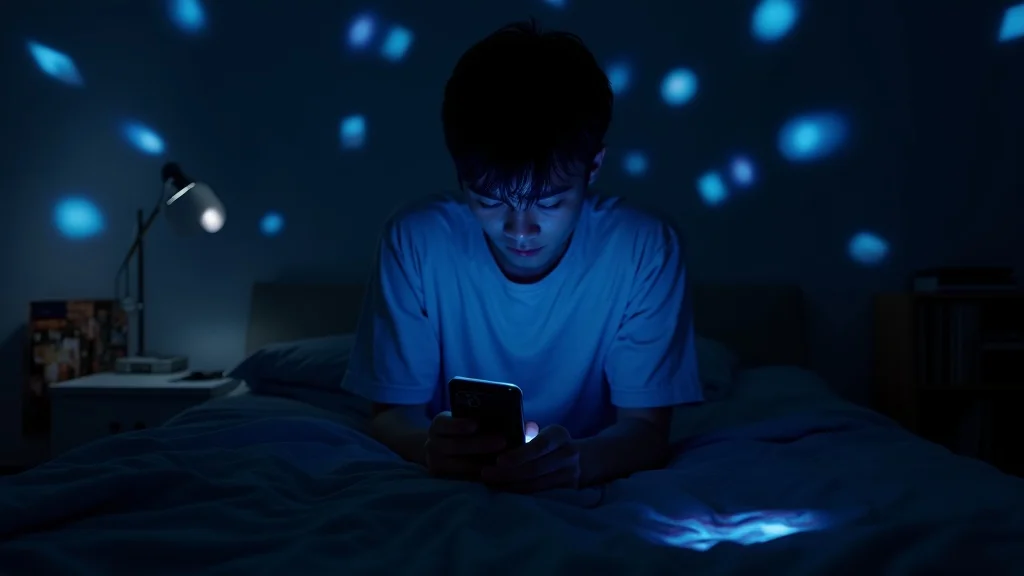
Early warning signs of deteriorating mental health on Instagram aren’t always obvious. Subtle changes—unusual withdrawal from offline relationships, obsessively tracking engagement, or dramatic swings in mood after posting—can signal deeper issues. Persistent dissatisfaction with appearance, loss of self-worth, or new anxiety around social gatherings may hint at instagram comparison disorders.
Vigilance is warranted for those who notice these symptoms in themselves or others. Digital wellbeing interventions, mindful media use, and support from mental health professionals can all help reset expectations and routines. Addressing these challenges directly may prevent more entrenched consequences, such as depressive symptoms or self-destructive behaviour.
The Ripple Effects of Social Media on Broader Mental Health
Social Media, Anxiety, and the Lure of Perfection
Social media platforms such as Instagram don’t merely influence users individually—they shape community standards regarding beauty, success, and happiness. The pursuit of perfection, combined with the fantasy narrative of online “friends”, can foster persistent anxiety and self-criticism. Young people, in particular, feel immense pressure to meet the standards seen on their feeds, creating an intense feedback loop with tangible mental health repercussions.
The anxiety stems not from a single post, but from a saturation of content tailored to perform: meticulously shot, edited, and angled for accolade. Individuals internalising these ideals can experience panic, fear of missing out (FOMO), and paralyzing self-doubt. The negative effect extends beyond body image, affecting school, work and family relationships.
e social: Social Comparison and Collective Well-Being
E social refers to the collective experience of social comparison, wherein communities or peer groups internalise shared values and aspirations evidenced by high-performing Instagram content. Rather than motivating collective improvement, these cycles tend to raise generalised anxiety and prompt withdrawal among those who feel left behind.
The result is a spreading dissatisfaction, impacting school or work environments, and affecting relationships. When everyone measures up against an unrealistic benchmark, support and empathy often give way to silent competition, further fracturing the sense of collective well-being. Social media’s power to shape group values must be recognised as a serious societal challenge.
| Comparison Table: Instagram Comparison Disorders vs. Traditional Social Comparison Disorders | ||
| Feature | Instagram Comparison Disorders | Traditional Social Comparison Disorders |
|---|---|---|
| Medium | Visual-first, algorithm-driven feeds | Face-to-face, local social context |
| Pace of Comparison | Constant, fast refresh cycles | Sporadic, event-based |
| Perceived Peer Group | Global, highly curated network | Immediate circle (friends, classmates) |
| Validation Mechanisms | Likes, comments, follower counts | Personal approval, reputation |
| Impact on Mental Health | Heightened anxiety, body dissatisfaction, loneliness | Insecurity, envy, FOMO (to a lesser degree) |
Personal Stories: The Real Face of Instagram Comparison Disorders
“Scrolling through highly curated feeds, I started changing my eating habits to ‘fit in’—it took months to recognise the harm.” — UK student aged 19

Body Image and Social Comparison: Personal Accounts
The story is consistent: users notice a dip in self-esteem after browsing fitness or influencer accounts, and the relief after deleting or muting such feeds. Shared experiences of envy, sadness, and even disordered eating have prompted many to seek professional support. While some outgrow the urge to compare, for others the negative effects persist, prompting a need for ongoing self-reflection and community support.
Social comparison works quietly, but its effects compound over time. Recognising and sharing these struggles publicly, especially among peers, helps to normalise the conversation and reduce stigma. By valuing diversity and authenticity, individuals can break free from the cycle and redefine their sense of worth beyond the screen.
Why Do Instagram Comparison Disorders Take Hold? The Social and Psychological Mechanisms
D Social: Envy, Belonging, and Group Dynamics
At the core of instagram comparison disorders lies the interplay between social envy and the human need to belong. When individuals see peers celebrated for curated lifestyles or physical appearance, envy can erode self-belief and sense of belonging. Group dynamics deepen the challenge: those who don’t “fit in” online may withdraw, feeling less valued socially, both online and offline.
The presentation of highlights as “normal” on Instagram results in widespread misperceptions about what is typical or acceptable. This gap between reality and presentation can create not only emotional pain, but also a drive to chase validation, sparking feelings of exclusion or inferiority that last even after stepping away from the app.
Mental Health Struggles Amplified by social media
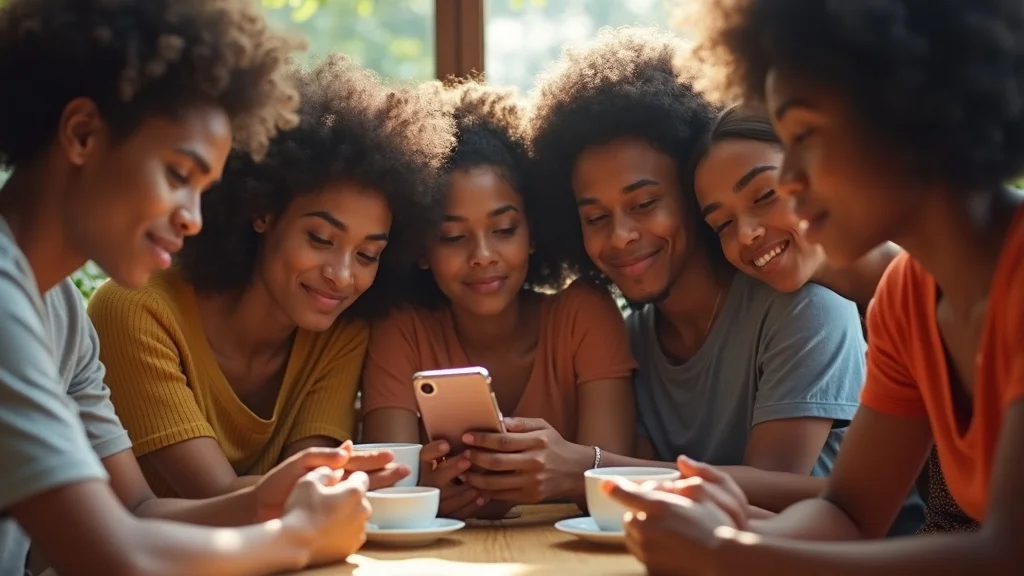
For those already grappling with insecurity or depressive tendencies, social media amplifies their struggles by providing near-constant comparison opportunities. The negative effects become more entrenched as individuals spend more hours online, chasing dopamine hits or “likes” to mask underlying distress.
The cycle is difficult to break without support because social platforms are engineered to retain user attention. Those with less robust support systems or underdeveloped coping strategies may experience higher rates of low mood, envy, disrupted sleep, or even self-harm. Mental health resources and digital literacy are therefore increasingly necessary to offset these harmful trends.
Instagram Comparison Disorders in Adults vs. Adolescents: Who Is Most Vulnerable?
Adolescents are often identified as most vulnerable to instagram comparison disorders due to the developmental stage where identity and self-esteem are still maturing. Social media habits—hours spent, accounts followed, engagement level—play a defining role. Girls and young women disproportionately report negative impacts relating to body image and self-worth, although boys are not exempt.
Adults, while often better at critical evaluation, are not immune. Work-related stress, parenting pressure, or perfectionism can all compound the urge to measure up to high-aesthetic content. The difference lies in resilience: with age, many develop coping strategies or better self-awareness, though those without social support can still fall into harmful comparison cycles.
| Prevalence of Instagram Comparison Disorders by Age Group and Gender | ||
| Group | Reported Prevalence | Most Common Impact |
|---|---|---|
| Adolescent Girls | 72% | Body Image, Low Self-Esteem |
| Adolescent Boys | 54% | Peer Envy, Social Withdrawal |
| Adult Women | 33% | Appearance Pressure, Career Comparison |
| Adult Men | 22% | Success Benchmarking, Loneliness |
Social Media Platforms: Are Instagram Comparison Disorders Unique or Universal?
Instagram comparison disorders extend beyond just Instagram, affecting users across other social platforms such as TikTok and Snapchat. Visual content remains the common denominator, with each app encouraging users to curate only the most appealing snippets of life. This multiplatform exposure magnifies negative impacts, as users encounter similar standards wherever they turn.
For those already sensitive to comparison, toggling between platforms compounds pressure and reduces opportunities to see real, unfiltered moments. This effect is further heightened by friend group overlap; trends can sweep through entire social circles in days, reinforcing insecurities and unhealthy behaviours even outside the app.
Comparing social media Features: Instagram, TikTok, and Snapchat
While each d social media platform brings its own flavour—Instagram for polished posts, TikTok for viral challenges, Snapchat for disappearing stories—the underlying encouragement to compare remains. Instagram’s algorithm is especially tuned for promoting “best life” content, while TikTok’s For You Page surfaces trending aesthetics and talents. Snapchat, with its casual approach, may escape some criticisms but still enables popularity contests through Snapstreaks.
Users must remain critically aware of each platform’s design. Algorithms drive engagement by amplifying user-generated hierarchies: who looks the best, who travels most, who is most creative. Understanding this structure is key for reducing the negative impact of constant comparison and safeguarding one’s mental well-being.
Protecting Mental Health in the Age of Instagram Comparison Disorders
Practical Strategies for Resilience
Curate your feed to reduce negative social comparison.
Set daily limits on social media usage to maintain perspective.
Seek offline connections and in-person support from friends and family.
Consider professional counselling and digital detox approaches for ongoing support.
Cultural Shifts: How Can Society Address Instagram Comparison Disorders?
Education, Advocacy, and Media Literacy
Reducing the negative impact of instagram comparison disorders requires collective action. Introducing media literacy into school curricula helps young people spot unrealistic editing, paid posts, and algorithmic traps. Advocacy is just as vital: encouraging influencers and brands to highlight diversity, speak openly about their own struggles, and normalise “real” content can counteract the pressure for perfection.
Communities that elevate honest dialogue—at school, work, or online—empower users to reclaim their wellbeing. Policymakers and platform designers may also play a role, considering changes to algorithms or feedback systems to prioritise mental health. Until then, awareness remains the most accessible tool against the persistent stress of comparison.
Key Takeaways: Instagram Comparison Disorders and Safe Social Media Use
Recognise links between high-aesthetic feeds and instagram comparison disorders
Stay aware of personal boundaries for better mental health
Use social media as a positive connection tool, not a source of constant comparison
Frequently Asked Questions on Instagram Comparison Disorders and Mental Health
How do instagram comparison disorders manifest in daily life?
Instagram comparison disorders can appear as body dissatisfaction, anxiety, jealousy, decreased self-worth, and obsession with online validation. These emotions often surface after long sessions of scrolling through high-aesthetic content.
Is there a way to avoid social comparison while using Instagram?
Filtering your feed, taking regular breaks, and following accounts that promote diverse and realistic body images can help reduce the urge to compare.
Are some people more susceptible to instagram comparison disorders than others?
Yes. Adolescents, people already struggling with body image issues, and heavy users of d social media often report the most severe impacts.
Can therapy assist in managing the impacts of instagram comparison disorders?
Absolutely. Speaking with a mental health professional or counsellor can equip individuals with coping strategies and help reframe negative thinking patterns.
Understanding instagram comparison disorders is a first step toward positive social media experiences. If you or someone you know is struggling with mental health due to social media, professional guidance can make a difference.
Sources
https://www.bda.uk.com/resource/impact-of-social-media-on-young-people.html
https://youngminds.org.uk/young-person/mental-health-conditions/social-media-and-mental-health/
Research has highlighted the significant impact of Instagram’s high-aesthetic feeds on mental health, particularly through mechanisms of social comparison. A study titled “Instagram Use and Mental Well-Being: The Mediating Role of Social Comparison” found that the relationship between time spent on Instagram and mental health indicators such as depressive symptoms, self-esteem, and disordered eating attitudes is completely mediated by the tendency for social comparison on the platform. (pubmed.ncbi.nlm.nih.gov) Similarly, the article “Instagram Use and Body Dissatisfaction: The Mediating Role of Upward Social Comparison with Peers and Influencers among Young Females” discusses how exposure to idealized images on Instagram leads to higher levels of body dissatisfaction, with social comparison acting as a key mediator in this relationship. (mdpi.com) These resources provide valuable insights into the psychological effects of Instagram’s curated content and offer strategies for mitigating its negative impact on mental health.