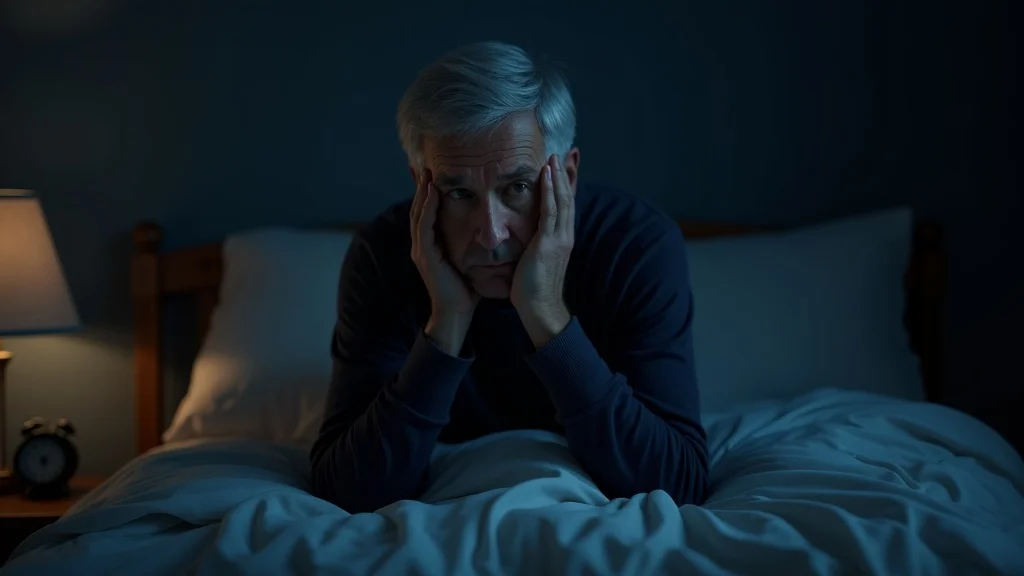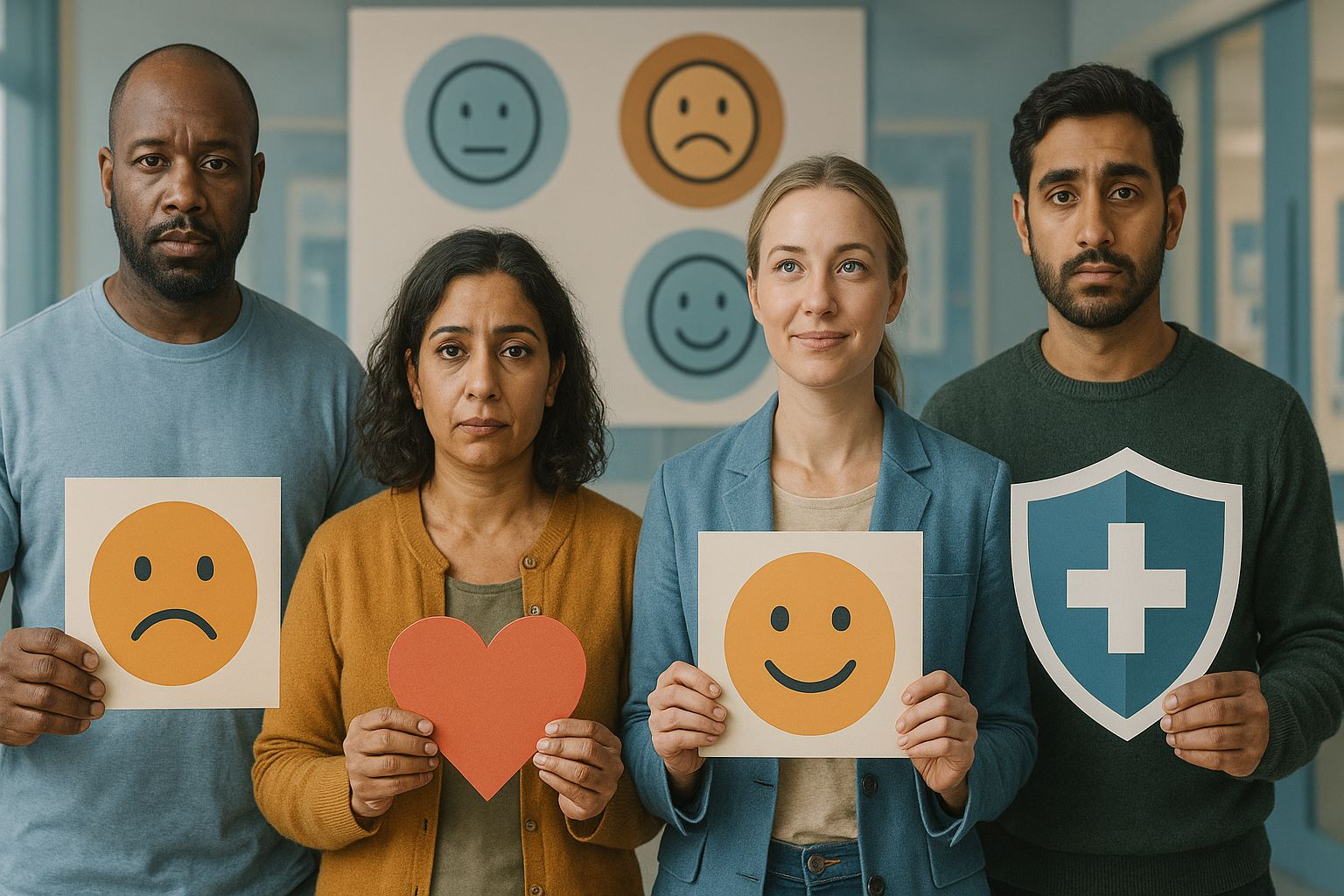
Did you know: Over half of adults in the UK have experienced at least one traumatic event in their lifetime, and these experiences deeply influence their closest relationships? Far beyond the individual, the psychological impact of trauma regularly shapes the emotional, behavioural, and communicative patterns between partners. Whether the trauma is recent or long ago, its echoes can profoundly affect how we connect, trust, and heal together. In this comprehensive guide, we’ll dive into the realities of trauma’s impact on couples — unravelling its effects, highlighting hope through modern therapies, and outlining actionable steps for those seeking relational recovery.
Unveiling the Psychological Impact of Trauma: Startling Facts and Foundational Concepts
The psychological impact of trauma is not only an individual hardship but a public health concern influencing countless UK homes. According to the NHS, approximately 1 in 6 adults experience symptoms of traumatic stress disorder every year, with many of these individuals facing ongoing relationship difficulties as a result. As society’s understanding of mental health grows, research increasingly shows that past traumatic events—ranging from childhood neglect to serious accidents or violence—can disrupt how people create and maintain intimate bonds.
In modern therapeutic practice, it’s essential to address trauma as a relational phenomenon. Partners often unwittingly take on dysfunctional roles, developed as coping mechanisms during or after a traumatic event. This can lead to chronic misunderstandings, distance, or conflict—even in otherwise loving relationships. Recognising these patterns is the critical first step towards effective intervention and healing, making trauma-informed approaches not just beneficial but necessary for long-term relational health.

The Prevalence of Mental Health and Traumatic Events in the UK
Statistics in the UK indicate that mental health concerns related to trauma are on the rise. In 2023, over 20% of Britons reported personally experiencing a traumatic event such as a serious injury, natural disaster, or interpersonal violence. The aftermath of these events frequently manifests in stress disorder symptoms such as hyperarousal, flashbacks, and difficulties in daily life. Beyond individuals, these outcomes often create ripple effects — impacting partners, families, and broader community relationships. With mental health services often strained, many people may go undiagnosed or unsupported, allowing the effects of trauma to quietly but persistently shape relationships for years. It is vital to acknowledge both the magnitude and subtlety of these influences to address them successfully.
Couples facing traumatic experiences must also contend with persistent social stigma. Many people hesitate to seek help, worried about judgment or misunderstanding. This delay in addressing traumatic stress increases the risk of relationship breakdown, further isolation, and compounding mental and physical health problems. Recognising the prevalence of mental health challenges related to trauma sets a foundation for understanding why trauma-informed relationship therapies are not only beneficial but urgently needed in the UK context.
Understanding the Psychological Impact of Trauma on Relationships
At its core, the psychological impact of trauma warps core relational components such as trust, communication, and emotional safety. Traumatic experiences may produce a cascade of stress responses — including withdrawal, irritability, or intense emotional reactions — which partners sometimes misinterpret as rejection or indifference. Unless both individuals are aware of these trauma patterns, small misunderstandings can spiral into lasting conflict or disconnection.
Furthermore, trauma can cause individuals to develop negative beliefs about themselves, their partners, or the world in general. For instance, people may become hypervigilant, struggle with emotional regulation, or exhibit avoidance behaviour in intimate settings. As these patterns become entrenched, relationships may enter a cycle of reactivity and defensive communication that erodes closeness. Understanding these complex dynamics is essential to unlocking healthy, healing relationships in which both partners feel secure and valued.
“Trauma is not just an individual experience; its ripple effects shape the very foundation of our closest relationships.”
Defining the Psychological Impact of Trauma and Traumatic Events
Traumatic Events, Traumatic Stress, and Traumatic Stress Disorder
Traumatic events are experiences that overwhelm an individual’s ability to cope, such as accidents, abuse, violence, or sudden loss. These incidents often result in traumatic stress, stirring pronounced emotional, cognitive, and physical responses. When these responses persist or intensify, a person may develop traumatic stress disorder—including post-traumatic stress disorder (PTSD)—which can profoundly disrupt mental health and daily functioning.
Not every traumatic event leads to a stress disorder, but repeated exposure or a lack of support increases vulnerability. The consequences are multifaceted: intrusive memories, avoidance of reminders, negative mood fluctuations, and physical health challenges like headaches or disrupted sleep. Importantly, these symptoms are rarely contained; they spill over into how people relate to and depend on others, often shaping the entire context of intimate partnerships. Acknowledging these consequences is the key to developing effective support and therapy structures for affected couples.
Effects of Trauma on Mental Health and Relationship Dynamics
The effects of trauma extend far beyond the initial experience, reshaping a person’s sense of safety, predictability, and self-worth. For many, trauma results in heightened states of anxiety, depression, or other mental health conditions that, if left untreated, may become chronic health problems. Unsurprisingly, when trauma disrupts an individual’s worldview, it also disrupts how they engage with those closest to them.
In relationships, trauma may lead to increased conflict, withdrawal, or emotional shut-down. These patterns may also manifest as difficulties in expressing affection or maintaining physical intimacy, leaving both partners feeling confused, frustrated, or isolated. Addressing the mental health aspect of trauma is integral to improving overall relational health, as many couples inherently develop coping or avoidance patterns that only perpetuate distress without intervention.
The Interplay Between Traumatic Events and Relational Patterns
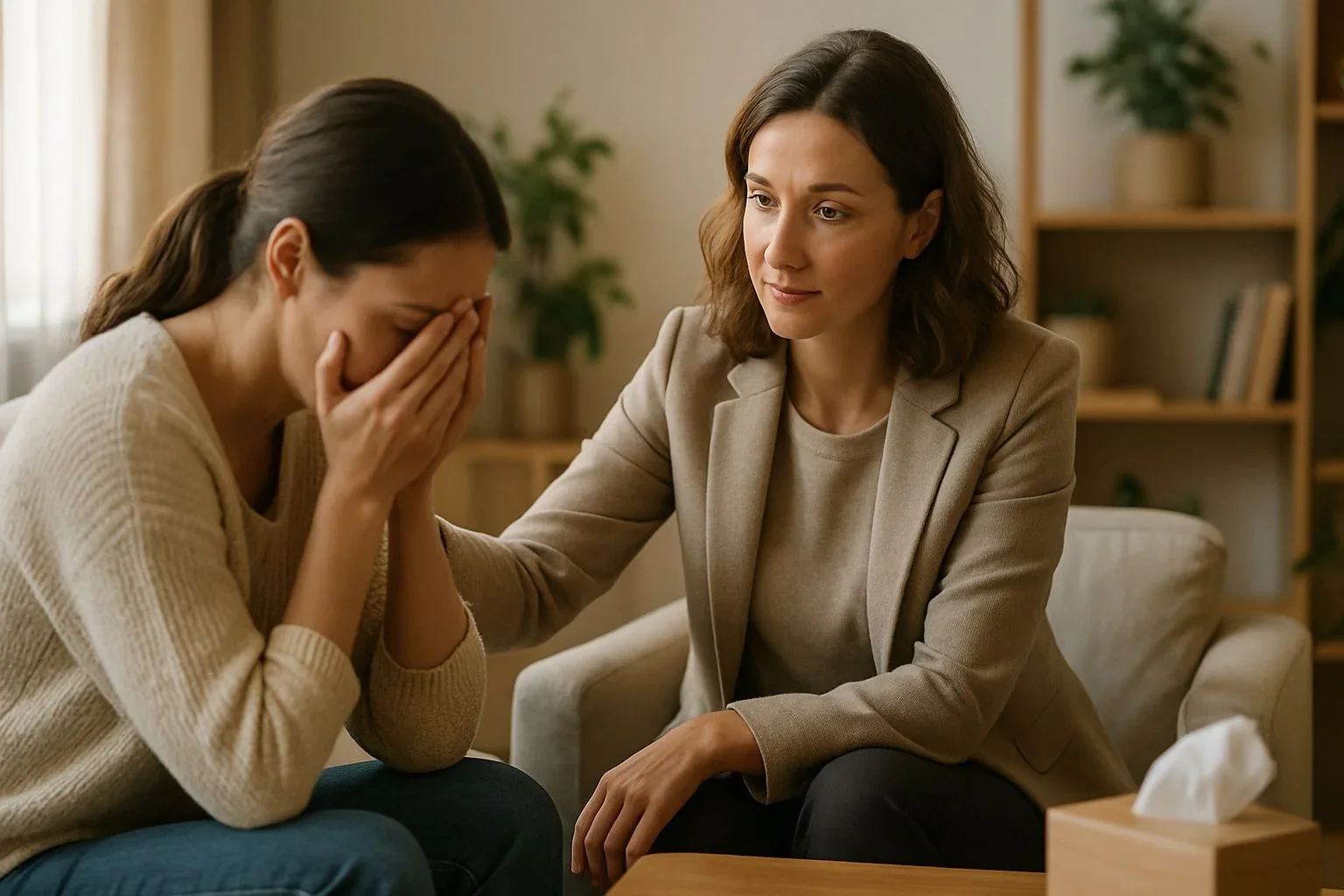
Trauma rarely acts in isolation—it interacts with pre-existing relationship dynamics, often amplifying or distorting them. For example, a partner’s traumatic event may lead to heightened dependency or detachment, with the other partner reacting emotionally, either through overcompensation (caretaking) or emotional withdrawal. This delicate interplay creates feedback loops that can reinforce distress on both sides.
Effective trauma-informed relationship work recognises these patterns and seeks to address both individual and systemic responses. Therapists help couples identify and disrupt cycles shaped by traumatic stress, teaching new strategies for communication, co-regulation, and boundary-setting. The ultimate goal is not to “undo” the trauma but to create safe, adaptive relational environments where healing and growth are possible for both partners.
Comparison of Short-term and Long-term Impacts of Trauma on Relationships | ||
Timeframe | Short-term Impacts | Long-term Impacts |
|---|---|---|
Within weeks to months post-event | Emotional withdrawal, increased arguments, sleep disruption, intense fears, reduced intimacy | Chronic trust issues, persistent avoidance, depression, intergenerational trauma patterns, sexual dysfunction |
Recognising the Four Core Symptoms and Related Health Problems
What are Four Symptoms of Psychological Trauma?
There are four primary symptom clusters that define psychological trauma (often observed in stress disorders like PTSD):
Intrusive memories and flashbacks — Unwanted recollections or vivid re-experiencing of traumatic events.
Avoidance and emotional numbing — Efforts to avoid situations, people, or conversations reminding individuals of the trauma; difficulty experiencing positive emotions.
Negative thoughts and mood alterations — Ongoing guilt, shame, mistrust, or persistent negative emotions toward oneself or others.
Hyperarousal and irritability — Heightened startle response, difficulty sleeping, irritability, or angry outbursts even in seemingly benign situations.
People living with these symptoms may also notice how they disrupt everyday life — from loss of interest in shared activities to problems maintaining daily routines and interpersonal responsibilities.

Associated Mental Health Problems and Stress Disorder Manifestations
Beyond the core symptoms, trauma significantly increases risk for other mental health conditions, including depression, anxiety disorders, substance misuse, and physical health complications such as chronic pain. In relationships, these secondary challenges can present as mood swings, emotional withdrawal, or disregard for self-care—all of which deepen relational stress. Partners often struggle to reconcile these unpredictable changes, sometimes perceiving them as intentional rather than trauma-driven.
Understanding the link between unresolved trauma and co-occurring health problems underlines the importance of early, trauma-informed intervention. Couples who notice escalating symptoms — such as emotional instability or breakdown in communication patterns — should consider professional support tailored to their unique relational and psychological needs.
How Couples Respond to the Psychological Impact of Trauma
Attachment Theory and Trauma
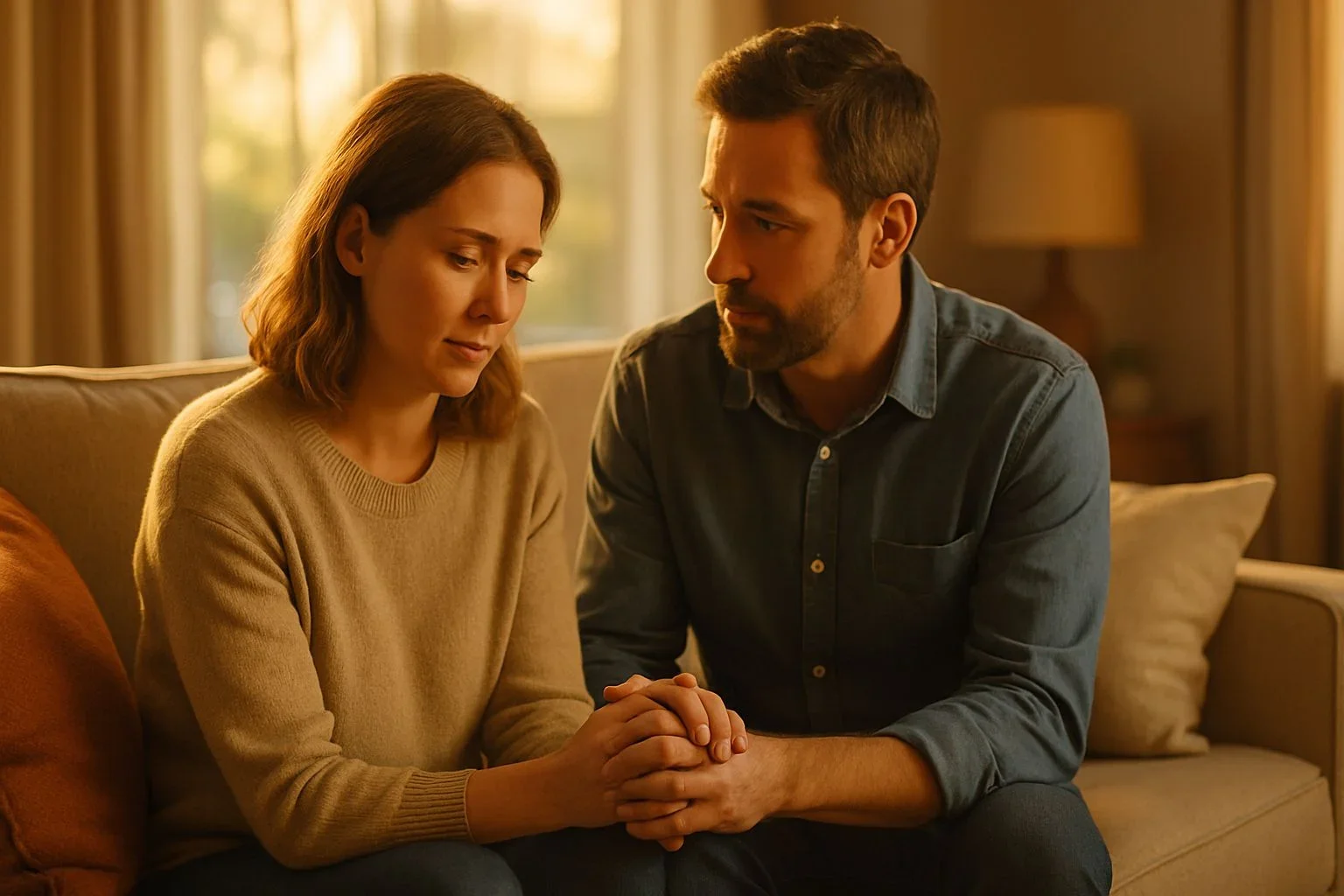
Attachment theory offers a powerful framework to understand how traumatic events and the psychological impact of trauma shape patterns of closeness, security, and dependence. Trauma—especially early in life—may cause individuals to develop insecure attachment styles, such as anxious (clingy) or avoidant (distanced) behaviours. These attachment wounds resurface most intensely in adult partnerships, driving cycles of conflict or misattunement.
For couples, recognising trauma’s effect on attachment is a turning point. A partner’s withdrawal may signal past hurt, not disinterest; intense jealousy or pursuit may mask a profound fear of abandonment. Therapeutic intervention helps couples unpack these responses and gently establish new, healthier attachment patterns—foundational for rebuilding safety and trust. Trauma-informed work thus transforms cycles of pain into opportunities for meaningful connection and growth.
Communication Breakdown and Emotional Regulation Challenges
Many couples struggle with communication breakdowns resulting directly from the psychological impact of trauma. Difficulty expressing needs, sudden silence, or heightened defensiveness may all trace back to past experiences of neglect or danger. Partners may inadvertently “trigger” each other, prompting automatic responses such as shutting down, escalating, or withdrawing—a classic sign of trauma-induced emotional dysregulation.
Building awareness and language for these moments is crucial. Trauma-informed counselling for relationships prioritises slowing down, validating each partner’s emotional state, and introducing concrete tools for emotional regulation. Couples learn to distinguish between past-driven reactions and present realities, cultivating mindful communication that gradually repairs ruptured trust and enhances relational stability.

Trauma Triggers in Conflict and Intimacy
Trauma triggers are cues—such as a phrase, action, or even a tone of voice—that activate distressing memories or feelings. In conflict, seemingly minor incidents can prompt disproportionately strong emotional responses, leading to arguments or withdrawal. In intimacy, trauma triggers might manifest as dissociation, avoidance, or abrupt emotional shifts, complicating efforts toward closeness.
Understanding and mapping personal and relational triggers empowers couples to manage these moments more effectively. A trauma-informed therapist can help partners develop shared safety signals, co-regulation techniques, and post-conflict repair rituals. Over time, this reduces the frequency and intensity of trauma-triggered conflicts, while supporting both partners in rebuilding a sense of safety within the relationship.
Modalities for Addressing the Psychological Impact of Trauma within Relationships
Eye Movement Desensitisation and Reprocessing (EMDR) for Couples
EMDR is a highly effective, evidence-based modality specifically adapted for couples dealing with the psychological impact of trauma. By guiding clients through controlled bilateral stimulation (such as eye movements), EMDR helps process traumatic memories and reduce their emotional charge. In relationship therapy, EMDR allows both partners to identify and desensitise shared triggers that sustain conflict or emotional distance.
UK research reports significant success rates: EMDR is effective for up to 90% of single-trauma cases and over 75% for multiple-trauma scenarios. For couples, benefits include rapid reduction in trauma responses and the emergence of new, constructive interaction patterns. EMDR is best delivered by therapists with specialist training in both trauma-informed and relationship-focused care.
Cognitive Behavioural Therapy (CBT) for Relational Trauma
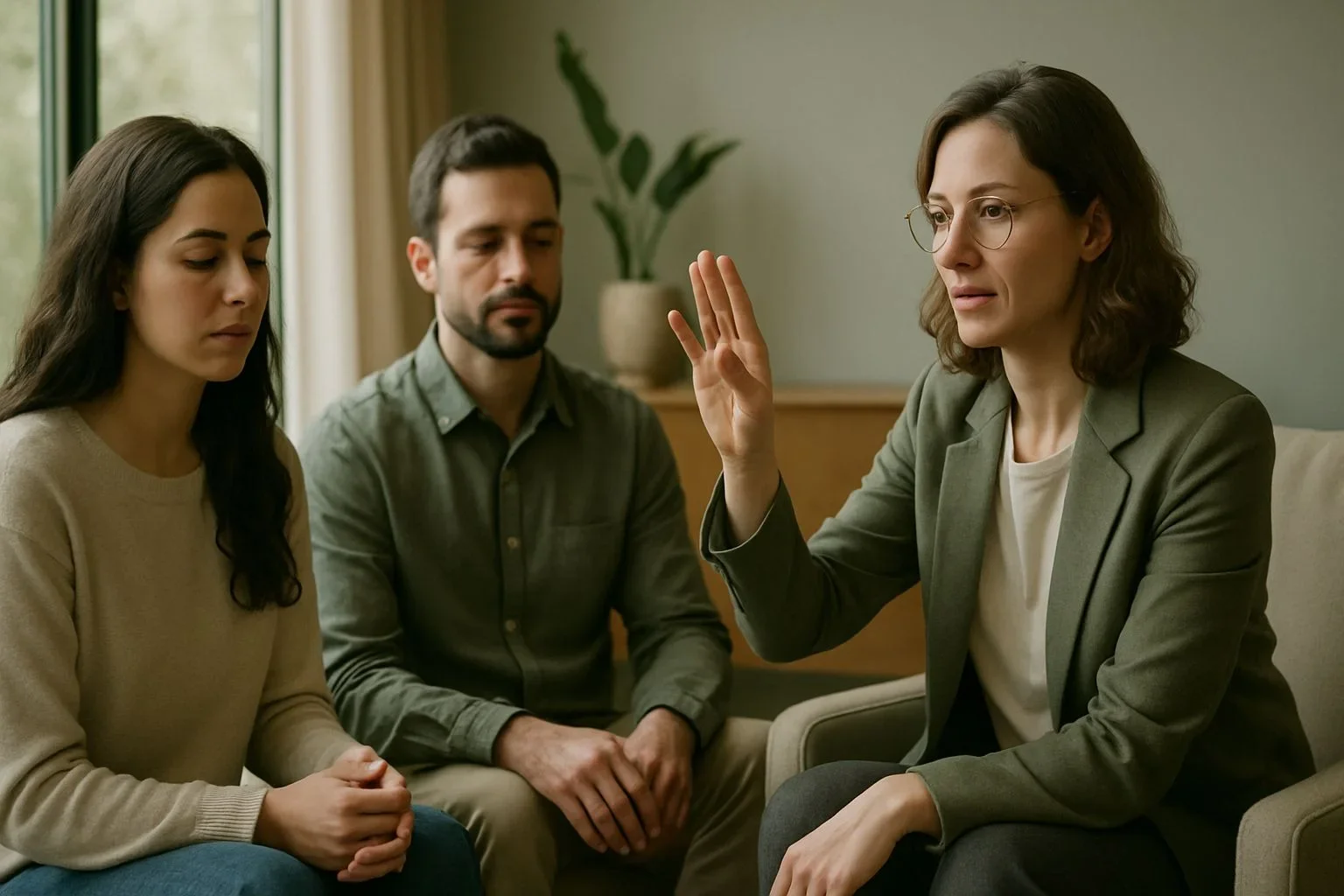
CBT remains a cornerstone therapy for anxiety, depression, and trauma-related mental health challenges in the UK. In couples’ contexts, trauma-focused CBT supports partners in identifying distorted thoughts (such as catastrophising or self-blame), challenging unhelpful relational beliefs, and building practical coping strategies.
This approach empowers couples to disrupt negative cycles, communicate more effectively, and develop a shared language for discussing trauma’s impact. CBT can be provided individually or jointly, and is widely available through both NHS and private providers, though trauma-specific couples’ offerings are often more accessible in private practice settings.
Somatic Therapy and the Body-Mind Connection
Somatic therapy recognises that trauma is stored not only in memory, but in the body. Partners may experience unexplained pain, fatigue, or nervous system hyperarousal linked to past trauma. Somatic approaches help couples tune into their physical sensations, enhancing awareness of unconscious stress responses in relational contexts.
Through breathwork, movement, and mindful touch, couples learn to regulate their own and each other’s nervous systems—a skill called co-regulation. This powerful approach reduces distress, deepens empathy, and fosters a sense of safety that is essential for trauma recovery within relationships.
Emotionally Focused Therapy (EFT) and Attachment Repair
EFT is a leading approach for healing relationship distress rooted in attachment injuries. By helping partners recognise, express, and respond to core emotional needs, EFT facilitates a secure bond and emotional attunement often disrupted by trauma. When integrated with trauma-informed principles, EFT supports couples in moving from cycles of blame or avoidance to empathy, validation, and repair.
Both research and client feedback highlight EFT’s remarkable effectiveness for couples where trauma has damaged trust or intimacy. The therapy’s structured yet compassionate process restores hope and helps partners rebuild a safe haven within each other.
Overview of Evidence-Based Therapies: Effectiveness for Couples Affected by Trauma | |||
Modality | Success Rate | Best For | Key Features |
|---|---|---|---|
EMDR | 77–90% | Trauma triggers, single/multiple-trauma couples | Rapid trauma desensitisation, deeply relational |
CBT | 60–75%* | Anxiety, unhelpful beliefs, communication issues | Skills-based, practical, widely available |
Somatic Therapy | Emerging Evidence | Physical symptoms, nervous system dysregulation | Body-mind connection, co-regulation, awareness |
EFT | 70–80% | Attachment wounds, emotional distance | Deep emotional repair and attunement |
*Success rates vary based on study design and trauma complexity.
Key Benefits: Healing the Psychological Impact of Trauma in Relational Context

Restoring Safety, Trust, and Co-Regulation
Perhaps the most evident benefit of trauma-informed relationship work is the restoration of safety and trust. Couples discover new patterns for communication, boundaries, and affection—replacing reactivity with compassion. Through joint efforts, partners become co-regulators rather than adversaries, supporting one another’s mental health and emotional stability. This transformation not only makes daily life more harmonious, but lays the foundation for lasting recovery and relational satisfaction.
Even when trauma’s effects seem insurmountable, rebuilding trust step-by-step creates hope and stability. The journey requires patience, but the reward—a relationship grounded in true mutual safety and care—can be profound and long-lasting.
Breaking the Cycle: Preventing Intergenerational Traumatic Events
One overlooked but crucial benefit of healing the psychological impact of trauma in relationships is preventing trauma’s transfer to the next generation. When couples address and resolve their own struggles, they are less likely to unconsciously repeat harmful patterns with children or loved ones. This intergenerational healing provides immense value—not just for the couple, but for their families and wider community.
Modern trauma-informed therapies explicitly address these intergenerational dynamics. Couples are equipped with awareness, language, and strategies for breaking cycles before they can imprint on future relationships or offspring.
Improved Communication and Conflict Resolution
Trauma-informed intervention gives couples the tools to navigate difficult conversations, self-soothe, and resolve conflict skillfully. Triggers become more manageable, and previously off-limits subjects can be approached with greater empathy and openness. Over time, small victories in daily communication build the confidence needed to tackle deeper wounds.
Ultimately, this improvement ripples outward: not only do couples move beyond survival mode, but they also experience more connection, satisfaction, and optimism together.
“Healing from trauma is most powerful within the safety of a supportive relationship.”
Considerations When Seeking Trauma-Informed Relationship Counselling in the UK

Understanding Cost and Access: Private vs NHS Trauma Services
Cost and access to trauma-informed couples therapy in the UK vary widely. Private therapy typically ranges from £60–£180 per session based on location and therapist qualifications, with central London prices at the higher end. Some therapists offer sliding-scale fees or concessions for those in hardship. The NHS rarely provides couples-specific trauma therapies, though individuals may access trauma support with variable waiting times—sometimes two to five months.
Given these disparities, it is advisable for couples to research local availability and consider a blend of private and public options. Flexibility around format (in-person vs online) can also improve accessibility, while seeking therapists with robust trauma and relationship credentials is essential for safety and success.
Qualifications and Specialised Training of Therapists
When selecting a therapist, couples should prioritise:
Professional registration with bodies like BACP, UKCP, or HCPC
Specific trauma-related training—such as EMDR, CBT, or EFT certification
Extensive experience working with both trauma and relationship issues
Ongoing supervision and ethical practice
Quality therapists are transparent about their approach, boundaries, and the evidence base for their methods—qualities which support both safety and lasting results in therapy.
Commitment, Duration, and Realistic Expectations
Trauma-informed relationship work requires both partners to be actively committed to the process. Simple trauma cases may see improvement within three to six months, while complex trauma and longstanding relational patterns might take several years to address fully. Progress is seldom linear; setbacks can occur, especially as deeply buried memories and defences are uncovered.
Couples should expect some discomfort and emotional intensity in the early stages. However, with time, structured support, and collaborative effort, healing and relational transformation are not only possible but highly likely—even for couples who previously felt “stuck” or hopeless.
When is Addressing the Psychological Impact of Trauma Most Effective in Relationships?
Optimal Conditions for Success in Trauma-Informed Work
The most successful outcomes in trauma-informed relationship therapy occur under certain conditions:
Both partners are genuinely committed to change
Basic emotional and physical safety is established
There is readiness to examine individual and shared trauma responses
Therapist is well-trained and creates a non-judgmental, supportive environment
For dual-trauma couples or those sharing similar childhood traumas, relational therapy can bring particular relief. Here, mutual empathy can flourish, fostering deeper understanding and a shared resolve to disrupt inherited patterns.
Specific Scenarios: PTSD, Childhood Trauma, and Communication Breakdowns
Therapeutic intervention is especially effective for couples experiencing PTSD symptoms—such as intrusive thoughts, risk-taking behaviours, or extreme avoidance—and for those whose childhood experiences have shaped insecure attachment or persistent mistrust. Therapy also brings exceptional value during chronic communication breakdowns, helping couples break out of entrenched patterns of conflict, withdrawal, or emotional volatility.
Whether triggered by a single traumatic event or a lifetime of adversity, understanding when and how to seek trauma-informed relationship support can prevent further relational damage and foster lasting healing.
Limitations and Risks in Addressing Trauma within Relationships
Contraindications: When Not to Pursue Joint Therapy
There are critical circumstances when trauma-focused couples’ counselling may not be appropriate:
Active domestic violence or abuse within the relationship
Severe, untreated psychiatric or mental health problems (e.g. psychosis, acute suicidality)
Absence of basic emotional or physical safety in the relationship
One partner’s unwillingness to participate
Trying to resolve trauma in an unsafe relational context can worsen symptoms or re-traumatise participants, undermining the entire healing process.
Potential Risks: Re-traumatisation and Therapist Inexperience
The journey through trauma recovery can surface painful memories and emotions, sometimes intensifying conflict in the short term. Re-traumatisation is a real risk when therapy moves too quickly or when practitioners lack specialist training. It’s therefore essential to work with therapists who emphasise safety, stabilisation, and clear boundaries.
Couples should be wary of red flags—such as therapists rushing to process trauma memories, making judgmental remarks, or lacking relevant registration and credentials. Seeking out client reviews and verified qualifications can help assure that therapy is evidence-based, ethical, and compassionate.
How to Select a Qualified Trauma-Informed Couples Therapist
Essential Professional Qualifications and Registration
A qualified trauma-informed couples therapist in the UK should hold:
Professional registration (BACP, UKCP, HCPC, or similar)
Specific trauma and couples’ therapy training (e.g. EMDR, trauma-focused CBT, EFT)
Extensive supervised experience with trauma and relational cases
Current, visible certification and ongoing supervision
Red Flags and Cautions to Observe
Common indicators of an unsuitable therapist include:
Refusal or inability to show professional credentials
Lack of transparency about approaches or boundaries
Pressuring clients to process trauma before building safety
Judgmental, dismissive, or sarcastic communication style
Poorly maintained boundaries or dual relationships
Checklist: Choosing a Qualified Trauma-Informed Therapist in the UK | ||
Criteria | What to Look For | Warning Signs |
|---|---|---|
Professional Registration | BACP, UKCP, HCPC, BPS membership | No registration, unclear accreditation |
Specialist Trauma Training | EMDR, trauma-focused CBT, EFT certifications | General counselling only, no trauma focus |
Experience | 5+ years trauma/relational therapy, ongoing supervision | Newly qualified, minimal experience, no supervision |
Approach | Clear explanation of methods and safety protocols | Unclear, dismissal of safety, “one-size-fits-all” claims |
People Also Ask: Expert Answers
What are the psychological impacts of trauma?
Trauma may lead to difficulty in trust, mood and anxiety disorders, relational conflict, emotional dysregulation, and long-term health problems, all deeply affecting partnerships.
What are four symptoms of psychological trauma?
The four common symptoms are intrusive memories, avoidance/numbing, negative mood and cognition changes, and hyperarousal or irritability.
How to stop being triggered by past trauma?
Strategies include trauma-oriented therapy, grounding and coping skills, creating safety plans, and building supportive relational environments with trauma-informed professionals.
What are the 4 C’s of trauma?
The 4 C’s are Calm, Contain, Care, and Cope; these core principles guide trauma-informed responses at individual and relational levels.
Frequently Asked Questions on the Psychological Impact of Trauma
How long does trauma-informed couples therapy usually take? Treatment duration varies; simple trauma may resolve in 3–6 months, complex trauma may require several years. Commitment and safety are key factors.
Are NHS therapies in the UK trauma-informed? Some NHS services offer trauma-informed therapy for individuals, but couples’ trauma-specific support is less common and often accessed via private providers.
What credentials should a trauma-informed relationship therapist hold? Look for BACP/UKCP/HCPC registration, trauma and couples’ counselling certification (e.g. EMDR, trauma-focused CBT, EFT), plus regular supervision.
Is online trauma-informed therapy effective for couples? Yes, research shows online trauma therapy can be effective, particularly when conducted by experienced, trauma-trained professionals.
What should I do if my partner refuses to participate? Consider individual therapy, focus on self-regulation, and revisit the conversation when both partners feel safe and ready.
Future Directions: Innovations in Trauma-Informed Relationship Therapy
Emerging Approaches and Online Access in the UK
As the field grows, expect to see expanding use of attachment-based EMDR, integrated somatic approaches, and wider adoption of neuroscience-informed frameworks. Online therapy access is also on the rise, making trauma-informed support more accessible for couples outside major cities or with logistical constraints. Future innovations may also involve specialised programmes for intergenerational and complex trauma, along with increased collaboration between public and private sectors to reduce health inequality and waiting times in the UK.
The growing evidence base promises more targeted interventions, swifter recovery paths, and further normalisation of seeking mental health support, ensuring that the journey from surviving to thriving is attainable for more couples than ever before.
Conclusion: Healing Relationships Impacted by Trauma Starts with a Single Call
“Lasting change is possible. Begin your journey to relational healing today.”
If you or your relationship are struggling with the psychological impact of trauma, call 07947 073298 to connect with a qualified trauma-informed therapist in your area.
For confidential support, take the first step toward healing your relationship. Click here to contact us.
Understanding the psychological impact of trauma is crucial for recognizing its profound effects on mental health and relationships. The article “Trauma: the impact of post-traumatic stress disorder” provides an in-depth analysis of how traumatic events can lead to conditions like PTSD, affecting individuals’ emotional well-being and interpersonal connections. (pubmed.ncbi.nlm.nih.gov) Additionally, the resource “the impact of trauma” from Change Mental Health explores the various manifestations of trauma, including its influence on behavior and relationships, offering insights into coping mechanisms and support options. (changemh.org) For those seeking to deepen their understanding of trauma’s effects and explore avenues for healing, these resources offer valuable information and guidance.