Key Takeaways
- Early childhood trauma shapes attachment style and later relationship health
- Trauma-informed and attachment-focused counselling is highly effective, particularly when both partners are engaged
- Therapist qualifications, commitment, and basic safety are essential for positive outcomes
- The UK has expanding options for both in-person and online trauma-informed relationship support
Did you know that over half of adults in the UK report having insecure attachment styles, tracing their roots back to childhood trauma? This often-overlooked reality doesn’t just affect individuals—it ripples out, impacting romantic relationships, family systems, and even generational wellbeing. Understanding the interplay between attachment theory and trauma is essential for anyone seeking healthier connections, more resilient partnerships, and practical steps toward healing.
Startling Statistics: The Prevalence of Attachment Trauma and Its Impact

- Over 50% of adults in the UK report insecure attachment styles, often rooted in childhood trauma
- 1 in 5 UK couples cite unresolved trauma as a major contributor to relationship strain
- Trauma-informed relationship counselling has expanded by 38% over the last decade
“Trauma does not just impact individuals; it reverberates through intimate connections and family systems.” – UKCP Registered Therapist
Defining Attachment Theory and Trauma

What Is Attachment Theory?
Attachment theory, originally developed by John Bowlby, explores the powerful emotional bond formed between a child and their primary caregiver during early childhood. This theory identifies four primary attachment styles—secure, insecure, disorganised, and avoidant—that shape how individuals relate to others throughout life. Secure attachment develops when a child’s physical and emotional needs are met consistently; in contrast, insecure attachment and disorganised attachment often result from inconsistent, neglectful, or frightening caregiving experiences. The quality of these early bonds can profoundly affect mental health, emotional resilience, and the ability to form healthy relationships in adulthood, making attachment theory and trauma intrinsically linked. In the UK, growing awareness of childhood trauma has highlighted the role attachment styles play in adult life, intimacy, and wellbeing.
These foundational attachment patterns serve as blueprints for future relationship behaviours. When caregivers provide safety, comfort, and reliability, children become securely attached and learn to trust both themselves and others. However, when childhood trauma—such as neglect, loss, or abuse—is present, insecure or disorganised attachments may develop, leading to difficulties managing emotions, seeking support, and forming lasting relationships. This is why trauma-informed therapy is increasingly recommended to address both the aftermath of childhood trauma and the resulting attachment styles that drive everyday interactions.
Understanding Attachment Trauma and Childhood Trauma
Attachment trauma refers to the psychological and emotional injuries sustained during formative relationships, usually with a primary caregiver in early childhood. This form of trauma often arises through repeated emotional neglect, abrupt loss, or exposure to abuse and unpredictable caregiving environments. Unlike acute traumatic events, attachment trauma is relational and persistent, imprinting deeply within a child’s nervous system and internal world. These patterns can manifest later as complex trauma—chronic difficulties with trust, self-worth, and emotional regulation forming the root of many mental health challenges and relational struggles in adulthood.
Childhood trauma doesn’t only include extreme events such as physical or sexual abuse; it may also involve experiences like prolonged parental absence, emotional unavailability, or inconsistent responses from caregivers. In the UK, professionals increasingly link adverse childhood experiences (ACEs) to insecure or disorganised attachment styles, raising risks for anxiety, depression, substance misuse, and difficulty forming healthy relationships. Trauma-focused interventions must address both the immediate symptoms and the longer-term patterns laid down during these formative years.
The Role of Early Childhood Experiences in Attachment Style Development
Early childhood experiences are the bedrock for shaping one’s attachment style. Securely attached children, whose caregivers are consistently responsive and attuned, tend to develop a solid sense of self and the capacity to form trusting, healthy relationships. Conversely, children who encounter chronic stress, neglect, or confusing signals may develop insecure attachment—either anxious, avoidant, or disorganised. These adaptations are survival strategies that influence the way children later perceive intimacy, handle conflict, and manage their emotions as adults.
The consequences of childhood trauma range from difficulties with emotional regulation and mental health to replicating dysfunctional relational patterns in adulthood—often without conscious awareness. In cases of disorganised attachment, where caregivers are simultaneously a source of comfort and fear, children may grow up struggling to understand their own needs or trust others, remaining hypervigilant in relationships. Whether the outcome is secure, insecure, or otherwise, early relational experiences are central drivers in the transmission of trauma and resilience across generations.
How Attachment Theory and Trauma Intersect in Adult Relationships
Attachment Trauma and Its Influence on Healthy Relationships

The impact of attachment trauma endures well beyond childhood, often playing a major role in adult relationships. Individuals who experienced relational trauma or inconsistent emotional support as children may unconsciously repeat old relational patterns, seeking familiarity—even when it’s unhealthy. Common outcomes include difficulty trusting, challenges in maintaining intimacy, or swings between dependence and avoidance. This explains why insecure attachment is often cited as a barrier to healthy relationships in the UK, and why trauma-informed therapy is so highly recommended for couples struggling with conflict, withdrawal, or misunderstanding.
Research shows that unresolved childhood trauma can cause a person to unconsciously select partners or create dynamics similar to those experienced with early caregivers. Such individuals may become overly vigilant to signs of rejection, quickly attached, or disconnected emotionally; each behaviour is a coping strategy rooted in early survival but can be maladaptive in adult partnerships. By recognising these patterns through the lens of attachment theory and trauma, individuals and couples are better equipped to address relationship distress and build more secure, resilient bonds.
Attachment Styles: Pathways from Childhood Trauma to Adult Attachment Style

The pathways from childhood trauma to adult attachment style are shaped by repeated early experiences with primary caregivers. For those with secure attachment, positive childhood experiences foster trust, emotional openness, and flexible boundaries in later relationships. Conversely, insecure attachment styles like anxious, avoidant, or disorganised originate from unpredictable, neglectful, or traumatic interactions. For example, a child who learns that seeking comfort brings rejection or danger may grow up to develop avoidance or emotional numbing as a strategy for managing relationships—a classic sign of avoidant attachment rooted in trauma.
In the UK context, the prevalence of disorganised attachment and d attachment styles is increasingly linked with complex trauma, especially where childhood adversity or family instability was present. Such patterns don’t vanish without intervention. Instead, the emotional and behavioural templates set in early life govern expectations, reactions, and choices—sometimes reinforcing cycles of mistrust, conflict, or detachment in adult partnerships. Awareness of these links is the first step in breaking the intergenerational cycle and creating pathways toward secure attachment styles.
Mechanisms: How Early Childhood Shapes Attachment and Trauma Response
“Attachment patterns formed in early years are powerful predictors of relationship wellbeing and vulnerability in adulthood.” – Attachment Psychologist
Scientific research in neuroscience highlights that attachment and trauma are written into the body’s stress response systems from early childhood. Secure attachment supports healthy emotional regulation, meaning that securely attached adults can manage stress, recover from conflict, and communicate needs effectively. In contrast, early relational trauma and threat cause the nervous system to operate on high alert, increasing reactivity to perceived rejection or criticism in adult relationships. This explains why partners with a history of childhood trauma often struggle more with co-regulating emotions, leading to “trigger cycles” and conflict escalation.
Intergenerational transmission of trauma is another critical mechanism: patterns of insecure attachment and emotional coping are learned and passed from parent to child unless consciously addressed and healed. Emotional regulation (and co-regulation between partners) is central to breaking these cycles. Securely attached relationships function as safe havens, promoting resilience, while insecure ones perpetuate old wounds. Addressing these mechanisms in therapy empowers individuals to rewrite their relational scripts, paving the way for healthier partnership and improved mental health.
- Secure vs. insecure attachment outcomes
- Intergenerational transmission of trauma
- Emotional regulation and co-regulation in partnership
Core Modalities: Trauma-Informed Counselling and Attachment Theory
Eye Movement Desensitisation and Reprocessing (EMDR): Treating Attachment Trauma
- Success rates of EMDR for PTSD and relationship distress
- Evidence for EMDR in improving attachment style
EMDR (Eye Movement Desensitisation and Reprocessing) is a leading trauma therapy, with UK studies showing 77–90% overall success for PTSD and strong effectiveness for reducing trauma-induced relationship triggers. EMDR helps adults revisit stressful childhood experiences or relational trauma in a controlled, safe setting, so these memories lose their overwhelming emotional charge. In relationship contexts, EMDR can directly target attachment wounds, helping individuals transform emotional responses that once led to withdrawal, fear, or conflict. Emerging evidence also suggests EMDR facilitates more flexible, secure attachment styles by repairing core emotional memories and strengthening resilience in both partners.
The therapy’s strengths for couples include rapid reduction in symptoms, improved co-regulation, and interruption of old attachment-driven cycles. EMDR is now widely offered in private UK practice and gaining more recognition in NHS settings, particularly for couples where one or both partners identify attachment trauma or d attachment as root causes of relationship difficulties.
Cognitive Behavioural Therapy (CBT) for Attachment Style and Trauma
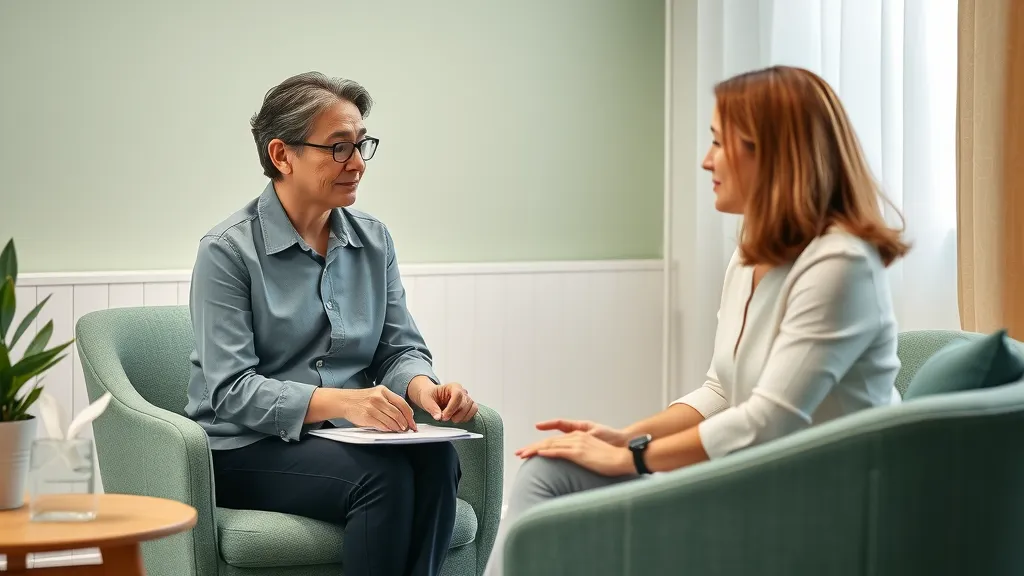
Cognitive Behavioural Therapy (CBT) is a well-established treatment for trauma-related issues and attachment challenges. CBT targets maladaptive thought patterns and beliefs developed in response to childhood trauma, helping individuals understand and reframe how early attachment experiences shape current relationships. For example, CBT may address core beliefs like “I am unlovable” or “Others can’t be trusted”—common in those with insecure attachment styles.
In a relationship setting, trauma-informed CBT explores how triggers from attachment trauma spark negative cycles of conflict, withdrawal, or reactivity. By imparting practical skills to challenge negative thoughts, manage anxiety, and foster more open communication, CBT supports the creation of healthier, more secure connections. The approach is widely recommended in UK mental health guidelines and accessible via private therapists, NHS talking therapies, and online support services.
Somatic Approaches: Body Memory and Attachment Trauma

Somatic therapy recognises the body’s role in holding and expressing trauma—especially attachment trauma rooted in early childhood. Unlike talk-only therapies, somatic modalities help clients become aware of physical responses, body memory, and physiological patterns (such as tightness, breath-holding, or restlessness) that are linked to past relational trauma. These approaches are particularly useful in the UK’s trauma counselling field, as they focus on nervous system regulation—the first step toward creating safety and emotional stability in relationships.
Somatic therapies may include breathwork, grounding, or body awareness exercises. For couples, embodied practices help both partners recognise and manage stress signals, develop self-soothing strategies, and build emotional safety through touch, shared presence, or supportive gestures. By restoring the body’s sense of safety, individuals are able to form more secure attachment bonds—interrupting the cycle of trauma and unhealthy relationship patterns.
Emotionally Focused Therapy (EFT) for Insecure Attachment Style and Relational Healing
Emotionally Focused Therapy (EFT) is designed for healing attachment injuries and strengthening emotional bonds in couples. EFT works by identifying and transforming negative relational cycles that often have their roots in insecure or disorganised attachment. Therapists guide couples to recognise unmet emotional needs, express vulnerability, and repair ruptures in a safe and compassionate setting.
In the context of attachment theory and trauma, EFT can help couples replace old survival strategies—like distancing or clinging—with healthier ways of engaging, listening, and connecting. UK therapists frequently combine EFT with trauma-informed modalities (such as EMDR or somatic work), enabling deeper repair and more enduring relational growth, particularly for those with complex childhood trauma histories.
Benefits and Effectiveness of Attachment-Informed and Trauma-Informed Therapy
Statistical Outcomes: Therapy Success for Attachment Trauma

The effectiveness of attachment-informed therapy is continually supported by research. In the UK, studies demonstrate that trauma-informed approaches improve both individual wellbeing and relationship satisfaction, particularly for couples coming from complex trauma backgrounds. For example, EMDR shows success rates of up to 90% for PTSD, while couples therapy using trauma-focused modalities results in better outcomes for 70–80% of participants compared to standard treatments. These therapies are powerful for breaking entrenched patterns, relieving symptoms, and supporting both partners to develop more secure attachment styles.
Additionally, collective trauma-informed care in couples settings leads to greater resilience, improved conflict management, and prevention of further mental health issues. When trauma-informed interventions are tailored to the unique dynamics of each couple, the ripple effects are seen in self-esteem, co-regulation, and the ability to break intergenerational cycles of childhood trauma. These benefits demonstrate why trauma-informed therapy is considered best practice for addressing both the visible and subtle impacts of attachment styles in relationships.
Key Benefits for Individuals and Healthy Relationships
- Enhanced communication patterns
- Increased emotional safety and trust
- Prevention of intergenerational cycles of childhood trauma
Trauma-informed and attachment-focused therapy empowers individuals and couples to move beyond survival-based patterns to consciously build healthy relationships. Clear communication, emotional security, and mutual support become more attainable goals. Clients report improved mental health, greater relationship satisfaction, and more stable connection with loved ones. Most importantly, when parents address their own attachment trauma, they protect future generations from inheriting these wounds—creating a foundation for long-term thriving and relational safety.
Considerations Before Seeking Attachment Theory and Trauma Therapy in the UK
Therapist Qualifications for Attachment Trauma and D Attachment Support
Therapists addressing attachment trauma should hold recognised credentials, such as BACP (British Association for Counselling and Psychotherapy), UKCP (UK Council for Psychotherapy), or HCPC (Health and Care Professions Council). Trauma-specific training—such as EMDR or somatic certification—ensures safe, effective practice. Look for therapists with several years’ experience working with childhood trauma, d attachment, and complex relational issues. Their specialist knowledge is critical to safe, transformative therapy.
Duration, Commitment, and Expected Outcomes

The duration of trauma-informed therapy varies. Single-issue attachment trauma may resolve within 20–30 sessions, while complex trauma involving multiple adverse childhood experiences can take a year or more. Consistent commitment, both individually and as a couple, strongly predicts better outcomes. Open communication with your therapist, regular reviews, and managing expectations help maintain momentum. Many UK couples report transformative improvements in self-esteem, emotional regulation, and relationship satisfaction within six months of specialist therapy.
Importantly, willingness from both partners to engage with difficult material, confront old patterns, and co-create safety increases the therapy’s effectiveness. Setting small, measurable goals helps track progress and build resilience, even when change feels slow.
What to Look for When Choosing a Therapist
When choosing a therapist in the UK, prioritise registration with professional bodies, training in trauma and attachment theory, and proven experience with couples or complex trauma. Reputable therapists will openly discuss their approach and provide referrals if their expertise is not quite the right fit. Client reviews and personal recommendations also offer valuable insight into their ability to foster safety, warmth, and effective healing.
When Attachment Theory and Trauma Therapy Works Best —and When It May Not
Ideal Scenarios for Attachment Theory and Trauma Counseling

Attachment theory and trauma therapy are most successful when both partners are willing to examine their histories and support one another’s healing journey. Therapy works best in relationships where basic emotional and physical safety is established, and where partners—whether they share similar backgrounds or not—can approach the process with curiosity and respect. Couples with a mutual desire for change and readiness to confront difficult emotions often make the fastest, most sustainable progress in therapy.
Situations Where Attachment Theory and Trauma Work May Not Be Suitable
Trauma-based couples work is generally not advised in situations of current abuse, ongoing domestic violence, or serious untreated mental health crises. When emotional or physical safety cannot be ensured, individual therapy or crisis intervention must come first. Therapy is also less effective if one or both partners refuse to participate or minimise the impact of past trauma on their relationship. In these cases, pausing or rethinking the timing and type of support is the safest and most ethical path forward.
Risks: Re-Traumatization and Practitioner Limitations
Re-traumatisation is a real risk in trauma-informed therapy, especially if sessions move too quickly or therapists lack specialist supervision and training. Warning signs include therapists who pressure clients to revisit trauma without adequate preparation, or those who neglect to establish strong safety boundaries. UK-based practitioners should be open about qualifications, willing to work at your pace, and constantly monitoring for signs of distress. Trust your instincts: you have the right to pause or stop therapy at any point if it feels unsafe.
How to Find a Qualified Attachment Theory and Trauma Therapist in the UK
Accreditations for Attachment Trauma and Mental Health Practitioners
Look for therapists accredited by BACP, UKCP, or HCPC—three leading professional bodies overseeing counselling and psychotherapy in the UK. Additional trauma-specific credentials, such as EMDR Europe Association Membership, Certificate in Trauma Therapy, or advanced training in EFT, signal deeper expertise. Therapists should be open about their continuing professional development and participation in regular clinical supervision, which maintains ethical safety and professional growth.
Key Questions to Ask Prospective Attachment Theory and Trauma Therapists
When vetting UK therapists, ask about their approach to trauma, their supervision arrangements, and what safety protocols they use. Inquire whether they have supported clients with similar backgrounds or relationship issues, and how they measure progress. The answers will help you decide if their therapeutic style matches your needs and values.
Red Flags: What to Avoid When Accessing Therapy
“A qualified therapist will co-create safety, validate your experience, and move at a pace you control.” – Trauma Specialist
Be cautious of practitioners lacking recognised credentials, those who pressure clients into sensitive trauma material too soon, or who are dismissive of your lived experiences. Ethical UK therapists will maintain clear boundaries, respect autonomy, and provide a transparent path to healing.
Emerging Trends: Innovations in Attachment Theory and Trauma Support
Attachment-Focused EMDR and Online Trauma Therapy

The UK is witnessing exciting innovation in trauma-informed support, with the rise of attachment-focused EMDR protocols and online therapy platforms. Digital delivery expands access, enabling clients from diverse backgrounds and remote areas to benefit from high-quality, trauma-informed guidance. Safety, confidentiality, and therapist accreditation remain vital—always confirm the therapist’s registration and online security policies before booking virtual sessions.
The Neuroscience of Attachment Theory and Trauma
Advances in neuroscience confirm that the brain’s attachment system is shaped early in life through repeated relational patterns. Traumatic experiences alter the way the brain stores and processes threat, explaining persistent vigilance and emotional triggers seen in adults with attachment trauma. By bringing together neurobiological insights, psychology, and somatic awareness, UK counsellors are able to offer interventions tailored to genuinely reshape both body and mind for lasting change.
Online Access: Expanding Trauma-Informed Therapy for UK Residents
Online trauma-informed therapy is now mainstream in the UK, with studies showing that virtual EMDR, CBT, and attachment counselling offer outcomes comparable to in-person work. Platforms like the BACP Therapist Directory, UKCP Find a Therapist, and specialist trauma therapy directories make it easier to check accreditation, read client reviews, and book free consultations. Prioritise therapists who can demonstrate robust digital security, sensitivity to your background, and adhere to UK’s rigorous clinical standards.
People Also Ask: Your Questions About Attachment Theory and Trauma Answered
How Does Attachment Theory Relate to Trauma?
Attachment theory explains how early childhood relationships, especially those marked by neglect, loss, or abuse, can create attachment trauma. These trauma patterns shape the nervous system and influence adult relationships, making trauma-informed counselling essential for healing both individual and relational wounds.
Is Getting Attached Easily a Trauma Response?
Yes, becoming attached quickly can be a response to unmet childhood emotional needs or attachment trauma. It reflects insecure attachment styles where dependency, anxiety, or fear of abandonment may be heightened as a result of unresolved early experiences.
What Kind of Trauma Do Avoidants Have?
Avoidant attachment style often arises from childhood trauma marked by emotional unavailability or inconsistent caregiving. Such trauma leads to self-reliance, emotional suppression, and reluctance to trust in adult relationships.
What Does Attachment Trauma Look Like?
Attachment trauma appears in adulthood as difficulties with trust, intimacy, emotional closeness, or communication. Symptoms may include emotional numbness, hypersensitivity, anxiety, or re-enactment of early childhood trauma in current relationships.
Next Steps: Reach Out for Attachment Theory and Trauma Support
Ready to address attachment trauma and begin your healing journey? Call 07947 073298 for specialist trauma-informed couples counselling in the UK.
Healing attachment trauma is possible. With the right approach, secure and healthy relationships are within reach for everyone in the UK—start your journey today.
Understanding the intricate relationship between attachment theory and trauma is crucial for fostering healthier relationships and personal well-being. To delve deeper into this subject, consider exploring the following resources:
- “Attachment theory”: This comprehensive article provides an in-depth look at the principles of attachment theory, including the different attachment styles and their development. It also discusses how early bonds between infants and caregivers influence emotional and social functioning throughout life. (en.wikipedia.org)
- “What is Attachment Trauma?”: This resource explains how disruptions in the bonding process between a child and caregiver can lead to attachment trauma. It outlines the potential causes, such as neglect or abuse, and discusses the long-term effects on mental health and relationships. (brightquest.com)
By exploring these resources, you can gain a deeper understanding of how early attachment experiences and trauma intersect, and how they impact adult relationships and mental health.