
Did you know that over 70% of couples facing perimenopause symptoms report significant relationship strain [source]? Yet, open discussions about perimenopause support are still rare in many households
A Surprising Reality: Why Perimenopause Support Matters More Than Ever
Perimenopause support isn’t just a matter of physical comfort; it underpins emotional connection, mental health, and long-term relationship quality. With people living longer and spending more years in midlife, perimenopause and menopause now have a larger impact on daily life and shared routines. Hot flushes, mood swings, and night sweats may disrupt sleep and communication, while low mood, fatigue, and vaginal dryness can impact confidence and intimacy. Many couples find these frequent symptoms challenging, but with the right perimenopause support, understanding and compassion grow—helping to sustain love through transitions.
Adjusting to these bodily and emotional shifts often takes both partners working together. Some couples may feel embarrassed or unsure how to begin the conversation, yet studies show that those who communicate openly experience fewer misunderstandings and greater trust. Being proactive about perimenopause support by talking candidly about perimenopause symptoms can help manage expectations and allow couples to tackle hurdles as a strong team. Recognising the need for open dialogue is the first step to turning a potentially isolating experience into one of connection and support.
Statistics Highlighting the Importance of Perimenopause Support for Relationships
The impact of perimenopause on relationships is widely reported. Research indicates that nearly 50% of relationships undergo increased stress when perimenopause symptoms are not discussed openly. Shared understanding of menopause symptoms lowers the likelihood of arguments around misunderstood mood swings, night sweats, or changes in libido. Moreover, couples who attend healthcare professional visits together are found to adapt better to the changes, showing more resilience and empathy. As a result, perimenopause support isn’t just about symptom relief but also about sustaining a healthy partnership through mutual learning and compassion.
What You’ll Learn About Perimenopause Support
- How to recognise perimenopause symptoms and communicate them
- Strategies for effective dialogue with your partner
- The impact of menopause symptoms like hot flushes, mood changes, and night sweats on relationships
- Ways to encourage mutual understanding and shared support
Understanding Perimenopause and Menopause: A Foundation for Support
Building meaningful perimenopause support starts with a clear understanding of what perimenopause and menopause truly are. Too often, confusion between these terms leads to misconceptions that prevent constructive conversations. Perimenopause marks the years leading up to menopause, when hormone levels, particularly oestrogen and progesterone, start to fluctuate. This stage may last several years and is marked by irregular periods, hot flushes, mood swings, and more. Menopause itself is defined by the point when periods stop for twelve consecutive months, after which postmenopause begins.
Understanding this spectrum enables partners to recognise shifting hormone levels and anticipate changes together. This knowledge also paves the way for informed discussions about appropriate treatment options and lifestyle adjustments. Many women find that symptom severity—and the emotional impact of changes like low mood or vaginal dryness—can vary greatly, so having a shared, accurate understanding of perimenopause symptoms and menopause symptoms is crucial for effective support.
While learning to communicate about perimenopause is essential, it’s also helpful to recognise how related emotional challenges—such as anxiety—can influence these conversations. If you or your partner are navigating heightened stress or worry during this transition, you may find additional guidance in the resources on managing anxiety within relationships, which offer practical strategies for fostering calm and understanding together.
Distinguishing Between Perimenopause and Menopause
The distinction between perimenopause and menopause is more than semantic. Perimenopause is the transitional period before menopause, often beginning in a person’s 40s but sometimes earlier. During perimenopause, periods become irregular, and symptoms first appear due to fluctuating hormone levels. Menopause, by contrast, is pinpointed retrospectively after twelve months have passed without periods. At this point, oestrogen production drops significantly, and some symptoms may intensify or shift.
Both perimenopause and menopause bring their own challenges, from night sweats to mental health changes. Recognising where someone is along this spectrum can help shape the right type of perimenopause support and prompt timely discussions between partners. Understanding these stages also means both partners can anticipate the emotional and physical changes together, avoiding misinterpretations and unnecessary stress within the relationship.
Common Perimenopause Symptoms and Menopause Symptoms
Symptoms during perimenopause and menopause are varied, evolving due to ongoing hormonal change. Hot flushes—characterised by sudden warmth, sweating, and flushing—are a hallmark, but they are just one of many signs. Night sweats, mood swings, vaginal dryness, low mood, fatigue, and even skipped periods are frequent during perimenopause. These symptoms may persist into menopause and beyond, affecting energy levels, sexual wellbeing, and daily comfort. Addressing them together can enhance quality of life and strengthen the partnership.
- Hot flushes
- Night sweats
- Mood swings
- Vaginal dryness
- Low mood
| Symptom | Perimenopause Symptoms | Menopause Symptoms |
|---|---|---|
| Hot flushes | Yes | Yes |
| Night sweats | Yes | Yes |
| Mood changes | Yes | Yes |
| Vaginal dryness | Yes | Yes |
| Skipped periods | Yes | No (Periods have stopped) |
| Fatigue | Yes | Yes |
Recognising the Signs that Support is Needed: Listening to Perimenopause Symptoms
‘Listening and validating a partner’s experience with perimenopause is a powerful act of care.’ – Women’s Health Specialist
Sometimes, spotting the need for perimenopause support comes from subtle emotional or behavioural shifts, not just physical symptoms. Partners may notice increased irritability or sadness, suggesting low mood or mood swings. Others may spot physical cues like frequent hot flushes, disrupted sleep due to night sweats, or withdrawal from social activities. Vaginal dryness might impact intimacy, leading to avoidance or tension in the relationship if not addressed gently.
Paying attention to these signs—emotional, physical, and behavioural—signals when meaningful conversation may be needed. Both partners should approach these cues without judgment, understanding that hormonal change often means reactions are unpredictable and not within one’s control. Opening up about these challenges can prevent misunderstandings and pave the way for practical, compassionate perimenopause support.
- Emotional cues: mood swings, low mood
- Physical cues: hot flushes, night sweats, vaginal dryness
- Behavioural changes: withdrawal, difficulty concentrating
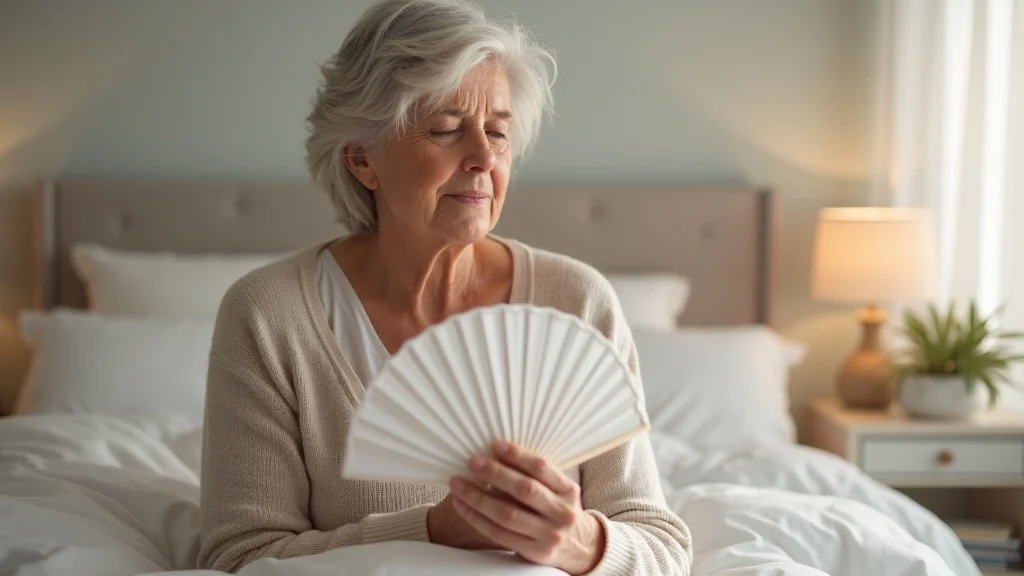
Preparing to Talk: Building Your Confidence for the Perimenopause Support Conversation
Before sitting down with your partner, being clear on your own experience brings confidence and honesty to the conversation. Documenting symptoms, changes in energy levels, or shifts in mood may help you express what you are facing. Many people find it useful to consult a healthcare professional about perimenopause symptoms and menopause symptoms, which can provide reassurance and valuable medical context for both you and your partner.
Knowing your personal needs and boundaries regarding intimacy, empathy, or daily routines helps clarify expectations in the discussion. Partners who enter conversations well-prepared tend to communicate more openly and honestly, fostering stronger perimenopause support within the household. Understanding your unique experience also means you can answer your partner’s questions candidly and share your journey in ways that build mutual trust.
Understanding Your Own Experience With Perimenopause and Menopause
Taking the time to log your changing symptoms, energy levels, and emotional reactions gives you insight into your own journey through perimenopause and menopause. Many women find that writing in a journal or using a symptom tracker creates a clear record of changes—helpful both for discussing concerns with a healthcare professional and when initiating conversations with your partner about perimenopause support. Recognising personal triggers for hot flushes or mood changes can also inform adjustments in daily routines to help manage discomfort. This self-awareness is crucial when explaining your lived experience and specific needs to your partner.

Addressing Your Concerns and Expectations
Being clear about your concerns and hopes for support can prevent disappointment and misunderstanding. Start by identifying exactly what you need—emotional reassurance, help managing night sweats, or a greater understanding of mood swings. Seeking clarity from a healthcare professional helps ensure your concerns are grounded in factual information, making conversations with your partner more constructive and reducing anxiety on both sides. Some may feel nervous about discussing vaginal dryness or other sensitive topics, but outlining where you need support helps make the conversation productive.
- Documenting perimenopause symptoms
- Speaking with a healthcare professional for medical context
- Clarifying personal needs and boundaries
Initiating the Conversation: Approaches to Perimenopause Support
Successfully talking about perimenopause and menopause depends on timing, setting, and approach. Choosing a relaxed, distraction-free moment for these conversations increases the chance of openness and empathy. Many couples find it easiest to talk over a quiet dinner or a walk, away from work stress or household noise. Using gentle, compassionate language and avoiding blame or criticism goes a long way toward making both partners feel safe and heard. Transparency about menopause symptoms and perimenopause symptoms encourages your partner to respond in kind, providing a firm foundation for support and understanding going forward.
Conversations that acknowledge the unpredictability of mood swings, hot flushes, or the distress of night sweats invite your partner to lean in with empathy. It also signals that changes are not a reflection of the relationship’s strength, but normal responses to shifting hormone levels. By working collaboratively, partners can find practical ways to manage symptoms and preserve wellbeing together.
Choosing the Right Time and Environment
The atmosphere in which you raise the topic of perimenopause support makes a significant difference. Choose a calm, private space where interruptions are unlikely—this could be a favourite room at home or on a quiet walk. Avoid initiating the discussion during moments of exhaustion or acute stress, as these times can make it harder for both parties to listen or empathise. Discussing perimenopause and menopause as ‘shared experiences’ fosters the sense that you’re facing this transition as a team rather than in isolation.
Partners may feel more able to offer practical perimenopause support when dialogue is ongoing rather than hurried. Soften the introduction with phrases such as, “I’ve noticed some changes in my body that I’d like to tell you about,” or “This is new for both of us, and I’d appreciate your support as I learn what works for me.” This encourages openness and helps avoid defensiveness, laying the groundwork for regular, caring communication.
Using Compassionate Language When Describing Perimenopause Symptoms
‘Honesty paired with sensitivity removes barriers in the discussion of menopause symptoms.’
Discussing symptoms like vaginal dryness, hot flushes, or mood changes requires both honesty and tact. Using non-blaming, descriptive language (“I sometimes feel anxious or sad unexpectedly” rather than “You make me upset”) keeps the conversation focused on your experience. Sharing information about how hormonal change might cause symptoms beyond anyone’s control helps partners avoid taking symptoms personally.
Framing the conversation in terms of shared problem-solving rather than complaints makes partners feel included rather than accused. This style of communication encourages more patience and helps couples work together on strategies—whether that’s managing night sweats, low mood, or seeking guidance from a healthcare professional as a team. Compassionate dialogue allows for emotional safety and true perimenopause support.

Educating Your Partner: Explaining Perimenopause Symptoms and Menopause Symptoms
The path to genuine perimenopause support is paved with clear, accurate information. Many partners welcome medical facts that explain why symptoms such as mood swings, night sweats, or vaginal dryness occur. Sharing resources—articles from trusted medical websites, NHS information, or leaflets from healthcare professionals—can make the discussion more concrete and dispel anxiety or misconceptions.
Breaking down physical and emotional changes equips your partner with the knowledge they need to support you, anticipate your challenges, and, if needed, suggest appropriate medical treatment options. Couples strengthen their connection when both understand that perimenopause symptoms and menopause symptoms are real, medical phenomena rather than signs of emotional instability or overreaction.
Sharing Accurate Resources and Research
Offering your partner clear, reputable resources on perimenopause and menopause helps normalise the conversation and reduces confusion. Look for NHS-approved leaflets, books written specifically about menopause symptoms, or podcasts featuring healthcare professional advice. Reading or watching these materials together ensures you both receive the same information, encouraging mutual respect and unified problem-solving. This joint approach to learning can help manage fears about medical treatments or hormone replacement therapy, and ensures both partners have a say in making decisions that affect the household.
Discussing Physical and Emotional Changes: Hot Flushes, Mood Changes, Night Sweats, and Beyond
Describing concrete symptoms like hot flushes (“My face feels very warm and sweaty unexpectedly”) or night sweats (“I may need to change the sheets overnight”) takes the guesswork out of supporting each other. Mood changes, memory lapses, or low mood should be explained as temporary side effects of changing hormone levels, not as permanent personality traits. Partners may also find it easier to help manage these symptoms when the cause is clearly articulated.
Include your partner in the process of discovering what helps—whether that’s having water on hand for hot flushes, being patient during mood swings, or learning more about treatments for vaginal dryness. Honest explanations bolster empathy, which makes perimenopause support far more effective.

Common Myths and Misconceptions about Perimenopause and Menopause
- Myth: Perimenopause is the same as menopause.
Fact: Perimenopause refers to the years of hormone changes before periods stop, while menopause starts after periods have stopped for 12 months. - Myth: Menopause symptoms are always obvious.
Fact: Symptoms can be subtle and change over time, such as mood swings or low mood that may be mistaken for stress or fatigue. - Myth: Mood changes mean someone is ‘just emotional’.
Fact: Shifts in mood are often a physiological response to hormone changes and not simply ‘overreacting’ or being dramatic.
Encouraging Two-Way Communication for Effective Perimenopause Support
True perimenopause support is a two-way street. While sharing experiences and symptoms is vital, listening to your partner’s reactions and feelings is equally crucial. Your partner may also have worries—about how to help, concerns about intimacy, or uncertainty about their own role in your changing health. Ongoing dialogue helps maintain connection, allowing both people to voice their struggles and needs as the relationship adapts to changing hormone levels and menopause symptoms.
Encourage your partner to share by asking open-ended questions and being patient with their learning process. Mutual empathy transforms perimenopause support into a shared responsibility, not a burden shouldered alone.
Listening to Your Partner’s Feelings and Reactions
After sharing your experience, make space for your partner’s feelings—whether they express concern, confusion, or even fear. Listening without interrupting or dismissing their questions creates trust and makes your partner feel valued in the process. This makes it more likely they will continue to offer support freely, allowing growth and resilience even during mood swings or low mood episodes. Remember, partners may also experience stress from witnessing your discomfort, so validations and reassurances go both ways.
Maintaining Open and Ongoing Dialogue
Regular check-ins—about how both partners are coping with changes or symptoms—help maintain trust and flexibility within the relationship. Consider setting aside time each week to talk about symptoms such as night sweats, energy levels, or mental health. This avoids bottling up concerns and ensures that both partners are heard. Revisiting the conversation allows you both to adjust treatment options or supportive strategies as new challenges arise, keeping communication lines strong and responsive.
Practical Steps for Support: What Partners Can Do During Perimenopause
- Attend medical appointments together
- Offer help during hot flushes and night sweats
- Provide reassurance during mood swings or low mood episodes
‘Small daily acts of support can ease the challenges of perimenopause and menopause.’
Practical actions by partners help create a supportive home, whether that means attending healthcare appointments, helping to manage hot flushes with fans or cold drinks, or providing comfort during mood swings. These gestures—however small—communicate that you are a team. For some, just knowing their partner is informed about perimenopause symptoms is enough to feel less alone during trying times. Bringing kindness, patience, and active involvement into daily interactions is the essence of effective perimenopause support.
Seeking Professional Perimenopause Support Together
Some situations may need the guidance of a healthcare professional, especially if symptoms are severely affecting quality of life or mental health. Attending appointments together not only provides practical support but allows both partners to ask questions and better understand treatment options such as hormone replacement therapy, non-hormonal medications, or lifestyle recommendations. In some cases, couples may also benefit from professional counselling or support groups to process emotions and find shared strategies.
When to Consult a Healthcare Professional for Perimenopause Symptoms
If symptoms like persistent sleep disruption, low mood, or vaginal dryness begin to hamper daily functioning, or if treatment options seem confusing, seeking advice from a healthcare professional is advised. Partners can also help their loved one identify when it may be time for medical intervention, functioning as gentle advocates during appointments. Asking specific questions about medical treatments or how to help manage symptoms together affirms the partnership in health matters as much as in daily life.
The Role of Counselling and Support Groups
Counsellors or dedicated support groups can offer safe spaces for couples experiencing higher-than-expected strain from perimenopause symptoms. These services help normalise feelings, address misunderstandings, and teach strategies for managing mood swings, intimacy concerns, and ongoing communication. Engaging with others who share similar experiences can also help alleviate the sense of isolation that sometimes accompanies perimenopause and menopause, providing valuable reassurance for both partners.
Watch real couples discuss how honest conversations and practical support transformed their approach to perimenopause and deepened their connections.
People Also Ask About Perimenopause Support
What are the 4 stages of perimenopause?
The four stages include premenopause (normal hormone balance and regular periods), early perimenopause (noticeable irregular cycles and first symptoms), late perimenopause (more frequent symptoms and significant hormone changes—including hot flushes, mood swings, and skipped periods), and postmenopause (no periods for 12 months, with some menopause symptoms like low mood or vaginal dryness potentially continuing).
What is the best thing to help with perimenopause?
Combining medical advice from a healthcare professional, symptom management (such as using cooling aids for night sweats or moisturisers for vaginal dryness), a balanced diet, exercise, and open discussions within the relationship forms the most comprehensive approach to perimenopause support. Emotional support and reliable information can make daily life easier for many women.
How to balance hormones in perimenopause?
Balancing hormones often requires maintaining a healthy diet (rich in phytoestrogens and whole foods), regular physical activity, and effective stress management. Consulting with a healthcare professional about treatments like hormone replacement therapy or supplements may also help manage perimenopause symptoms and improve your quality of life.
How do you cope with perimenopause?
Coping involves recognising and tracking symptoms, seeking perimenopause support, engaging in self-care (rest, relaxation, exercise), and getting help from healthcare professionals. Staying connected to supportive friends, partners, and community groups may also help you manage low mood, hot flushes, and other changes.
Key Takeaways on Perimenopause Support
- Sound, supportive communication enhances understanding of perimenopause symptoms
- Sharing reliable information dispels myths about menopause and perimenopause
- Perimenopause support relies on empathy, regular dialogue, and professional advice where needed
FAQs About Perimenopause Support
- How do I know when to seek medical help?
Seek medical guidance if symptoms like persistent night sweats, chronic low mood, or vaginal dryness disrupt daily activities or relationships, or if you feel overwhelmed by mood swings. A healthcare professional can discuss treatment options and provide reassurance. - What if my partner doesn’t understand my symptoms?
Try sharing reputable resources, encourage your partner to attend appointments, and maintain open discussion around the impact of perimenopause symptoms. Patient, ongoing communication often helps foster empathy and understanding. - Are mood changes normal during perimenopause?
Yes, mood swings and emotional changes are common, caused by fluctuating hormone levels. If mood changes become severe or last several years, professional mental health support may help. - How can I involve my family in perimenopause support?
Share age-appropriate information, encourage family members to ask questions, and involve them in supportive tasks like helping during hot flushes or night sweats. Normalising these discussions helps reduce stigma and increases household empathy.
Ready to Begin Meaningful Perimenopause Support?
- Click here to contact us: https://thehovecounsellingpractice.co.uk/contact/
Sources
- https://www.menopause.org.au/hp/information-sheets/1089-sexual-difficulties-in-menopause
- https://www.nhs.uk/conditions/menopause/
- https://www.britishmenopause.org.uk/information-centre/leaflets/
- https://www.womens-health-concern.org/help-and-advice/factsheets/perimenopause-factsheet/
- https://www.menopausematters.co.uk/
Managing and coping with the perimenopause can be challenging, but several resources offer valuable support:
The Perimenopause Hub provides a safe space with expert advice and a community of over 150,000 women sharing their experiences. (perimenopausehub.com)
The National Menopause Foundation offers a free, secure online community for women to connect, share experiences, and find inspiration during perimenopause. (nationalmenopausefoundation.org)
Engaging with these platforms can enhance your understanding and provide the support needed during this transitional phase.