
Does it ever feel as if trust vanishes in an instant, yet rebuilding takes a depth of courage few people warn you about? Many couples infidelity recovery stories begin with ache and confusion, and, for those quietly overwhelmed in the wake of betrayal, the truth is this: authentic healing after infidelity asks more than time or willpower.
Why Couples Notice Trust Feels So Fragile After Infidelity
Many couples notice that, almost instantly after infidelity is revealed, the ground beneath the relationship shifts. Couples infidelity recovery rarely follows neat timelines or simple feelings; instead, it’s marked by shock, disbelief, and the sense that you are both in a different world altogether. Even couples who felt secure before may find themselves questioning what is real, what was shared, and whether any sense of safety can ever return. Healing after infidelity is rarely a solitary process—most partners find their own reactions complicated by worries about their loved one, and the relationship’s future.
First, there is the emotional recovery from cheating, often experienced as a flood. The betrayed partner may feel overwhelmed by loss, anger, or isolation, their confidence upended. The unfaithful partner might be sensing guilt, confusion, or fear—not always in equal measure. Couples moving forward through these moments report feeling lost and vulnerable, with a longing for clarity they cannot quite find. Even the calmest couples may find themselves having unexpected arguments, tears that emerge at strange times, and questions that surface relentlessly.
The Immediate Impact on Couples Infidelity Recovery
Emotional recovery from cheating can feel overwhelming and isolating—both partners may find themselves without energy for ordinary routines.
Couples navigating healing from infidelity may fear abandonment, loss of identity as a couple, or a lasting sense of shame, no matter how private their circumstances.
Common first reactions include confusion that can border on feeling like you’re “going crazy”, sudden flashes of anger, or a numbness where it’s hard to even believe what happened.

“It can be difficult to admit how much an affair has altered both partners’ sense of reality.”
Relationships Rarely Bounce Back Instantly
It makes sense that trust feels shattered after an affair—infidelity happens quietly, yet its effects scream inside everyday moments. Couples infidelity recovery is almost never straightforward. Even among couples who have decided to stay and work through the betrayal, healing from infidelity can stir up repeated arguments, silent evenings, or sudden outbursts. Many couples feel ashamed that, weeks or even months after the affair happened, emotions still run high. Yet, from the perspective of seasoned couples therapists and those who have witnessed hundreds of couples, these recurrences are not signs of failure but marks of how deeply the relationship mattered.
This recovery is usually non-linear. It can feel like every step forward is shadowed by an unexpected return to pain or doubt. The reality is that partners often need to revisit the incident together, sometimes many times, before anything truly settles. The urge to compare yourselves to relationship myths—stories that claim “healthy couples always forgive”—is normal. But healing after infidelity is never proof of weakness. It is evidence that trust and care mattered enough to disrupt your emotional world.
Why Healing from Infidelity Is Not About Quick Fixes
Healing after infidelity is typically non-linear and slow; advances are often followed by setbacks that feel discouraging but are, in fact, common markers of genuine effort.
Couples infidelity recovery frequently involves the same questions coming back again and again—doubts, a longing for safety, and the drive to make sense of the hurt partner’s pain.
Patterns of meaning-making, shaped by the hurt and by hopes of moving forward, can interrupt the pace of recovery and leave both partners feeling out of sync.

What Actually Helps in Couples Infidelity Recovery
Understanding what supports couples infidelity recovery means resisting the urge to rush. True healing after infidelity does not come from dramatic declarations or forced forgiveness, but from sustained, gentle effort. Both the hurt partner and unfaithful partner often have completely different experiences of the same events, requiring careful navigation without demanding equal progress at every step. Relationship therapy for couples aims to create a space for naming this asymmetry—allowing both to sit with their truth, not simply move on. Strong communication after infidelity is less about perfect words and more about allowing uncertainty and emotional honesty to surface without fear of judgement.
For some, individual therapy becomes part of the healing process, offering a quiet space apart from the couple for processing anger, confusion, or fear. For others, support means finding new ways to rebuild trust in relationships, from regular check-ins to new boundaries. Common infidelity recovery strategies centre on tolerating discomfort, describing emotion, and recognising small moments of safety—sometimes with the help of a couples therapist, sometimes through shared intention.
Affair Recovery Requires Thoughtful, Ongoing Effort
Acknowledge that both the hurt partner and the unfaithful partner will run on different healing timelines. Respecting this can soften disappointment and frustration for both sides.
Relationship therapy for couples supports emotional processing, rather than pushing for surface-level “closure” or replaying old dynamics.
Coping with a partner’s betrayal usually means regular, honest conversations — not just about the affair, but about what feels possible and still out of reach for each person.
Aspect of Recovery | For the Hurt Partner | For the Unfaithful Partner | Role of Couples Therapy |
|---|---|---|---|
Emotional Experience | Shock, grief, vigilance | Guilt, confusion, fear | Slow, supportive naming of emotion |
Communication After Infidelity | Needs transparency, reassurance | Needs patience, responsibility | Provides guided spaces for reflection |
Trust Building | Wary, incremental | Commitment to new boundaries | Neutral setting for re-establishing trust |
How Do We Begin Couples Infidelity Recovery?
If you find yourselves circling the same arguments or stuck on a sense of unfinished business, you are not failing. Pausing—sometimes even agreeing to say “let’s slow this down”—can be the bravest action partners take. Recovery rarely means fixing everything at once. More often, it means letting go of the need for swift solutions, instead naming discomfort and giving both partners time to witness each other’s pain without immediately problem-solving. Patterns of emotional distress often lessen when you realise there is space to notice them, rather than needing to eradicate them immediately.
Some couples discover that relationship therapy for couples acts like a gentle pause button. It creates an environment to speak about pain, longing, or uncertainty that might otherwise feel overwhelming or irreparable in private. These pauses are not about stalling progress, but rather honouring the seriousness of the healing process. Sometimes, just noticing that you both long for things that cannot be restored can bring a quiet sense of connection. Other times, it may feel nothing is progressing, yet that very attention is the first step to moving forward.
Noticing Patterns and Moving Forward
Pausing to identify recurring arguments about the affair—naming when the same pain resurfaces—can help partners reduce its intensity and see underlying worries more clearly.
Healing after infidelity often involves slowing communication, resisting the urge to solve everything immediately, and learning that peaceful silences can be part of recovery too.

“You might recognise parts of your story in these patterns — and that’s completely human.”
The Role of Infidelity Counselling UK in Couples Infidelity Recovery
For couples based in Brighton and across the UK, infidelity counselling services bring a different rhythm to recovery. These therapists do not force forgiveness or push solutions; rather, they provide permission to feel. This allows both partners, often the hurt partner and the unfaithful partner, to air anger, sorrow, hope, even ambivalence—no feeling is “wrong”. Experienced couples therapists understand that recovery is not about recreating lost harmony, but naming the new shape of the relationship, with all its complexity and tenderness.
Infidelity counselling often brings a fresh perspective. The process is less about blame and more about honesty, patience, and responsible care. Some couples find that sessions allow pain to be acknowledged without pressure to “move forward” faster than either partner is ready for. This validation removes shame while holding both sides accountable, supporting the kind of emotional recovery from cheating that feels authentic, not hurried.
What Makes Relationship Therapy for Couples Different?
Infidelity counselling is centred around permission to feel, distinguishing it from advice-focused approaches that can rush repairs before pain is named.
A therapist supports both partners, holding the experience without demanding symmetry or quick solutions, and never shaming or isolating either.
Good therapy does not demand forgiveness or “closure”—it holds space for everything from anger and loss to cautious hope, for as long as is needed.

Moving Forward After Betrayal: Steps to Forgive Infidelity
Affair recovery asks for small, often overlooked acts of courage and care. Forgiveness—if it arrives at all—tends to be a gradual side-effect rather than a forced milestone. Rebuilding trust in relationships is like tending a fragile plant: needs are met differently every day. Partners may find safety in brief, honest exchanges rather than dramatic relationship talks. Post affair, many couples benefit from learning how to check in gently, name feelings, and allow questions about the affair without letting curiosity tip into re-injury. These steps to forgive infidelity are best viewed as invitations, not requirements, and they look different for each couple.
Try not to measure progress by whether pain has vanished. Instead, notice quiet moments when each partner feels heard, understood, or even slightly less alone in their experience. Couples infidelity recovery is supported by allowing for both closeness and distance—and naming when each is needed.
Supporting Healing After Infidelity with Small Actions
Set realistic expectations for couples infidelity recovery — recognising that rebuilding trust in relationships takes repeated, ordinary moments rather than quick resolutions.
Focus on small, honest conversations rather than dramatic confessions; sharing the ordinary experience of loneliness or hope can be powerful.
Create agreements about checking in or sharing feelings, as needed, making sure that these feel gentle, possible, and not overwhelming.
Name unspoken feelings and worries (such as fear or longing) even if neither partner knows what to do with them yet; the act of naming can reduce shame.
Allow both partners to ask about the affair—while setting compassionately agreed limits on intrusive or harmful questioning, especially if it leads to more pain for the hurt partner.
Common Questions in Couples Infidelity Recovery (People Also Ask)
What shouldn’t one do after infidelity?
After discovering infidelity, many couples instinctively want to sort everything quickly —find answers, make ultimatums, or secure forgiveness long before trust in relationships is even possible. The risk is in rushing too soon, asking for constant, sometimes intrusive details which may retraumatise, or trying to decide the future from a place of acute hurt. Pausing to name pain is helpful, as is resisting impulses to fix or forgive before emotions settle. Couples infidelity recovery thrives when both partners honour the time it takes and resist the fantasy that every question needs an immediate answer.
What is the 80/20 rule in infidelity?
The “80/20 rule” sometimes gets used to explain why a partner might seek connection with another person—even when eighty per cent of their primary relationship “feels right.” While this numerical logic can offer a quick explanation, it often disregards the complexity and pain experienced during real-life betrayal. Couples infidelity recovery asks that partners address the reality of their situation—naming what was missing or hoped for without reducing the healing process to numbers.
Do couples ever recover from infidelity?
Many couples do experience some form of recovery from infidelity, though what “recovery” looks like can shift over time. Relationship therapy for couples helps those who have decided to stay as they define new ways forward—often discovering that connection and trust feel different, but not impossible. Process matters more than destination, and moving forward becomes about finding moments of genuine closeness, not recreating what was lost.
How to talk to a spouse after infidelity?
Describing feelings (“I feel shut down today”) often proves more helpful than demanding clarity (“Did you love them?”) too early.
How Couples Can Cope with Partner’s Betrayal: Trauma and Stress Reactions
Coping with a partner’s betrayal stretches far beyond simply forgiving or forgetting. Many partners notice the marks of stress disorder—hypervigilance, nightmares, or numbing—surface unexpectedly, even long after the affair happened. Emotional recovery from cheating needs words and witness; naming distress, confusion, or tension openly can shrink their power. For couples in the thick of affair recovery, simply telling the truth about suffering can begin to restore a thin thread of connection, which may grow into something more enduring with time.
Both partners may notice the urge to protect themselves: withdrawing, lashing out, or shutting down. Relationship therapy for couples often helps each person see these patterns compassionately, not as flaws to banish but as signs of ongoing adjustment and care. Healing from infidelity includes holding space for ambivalence, fear, and tentative hope all together—even if the future still feels uncertain.
Understanding Why Trust Feels Threatened
Stress disorder responses such as hypervigilance, disrupted sleep, or emotional numbness are very common in the early stages of emotional recovery from cheating.
Naming distress aloud—saying when you feel flooded or raw—can help couples hold the pain together instead of turning it into private shame or silent suffering.
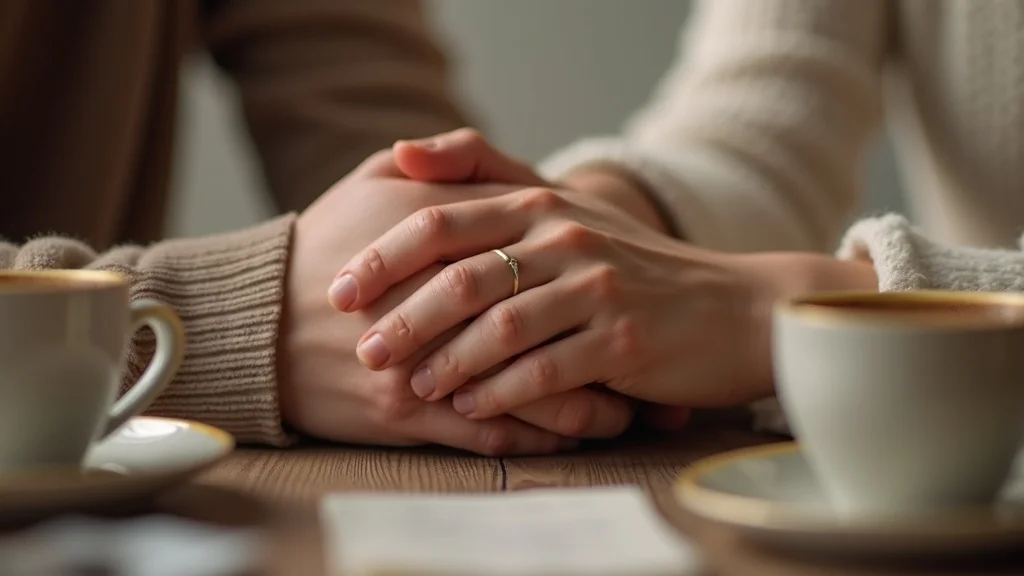
Infidelity Recovery Strategies for Rebuilding Trust in Relationships
If safety and intimacy feel distant after an affair, you are not alone. Many couples lose sight of ordinary moments of connection. That’s why infidelity recovery strategies seldom revolve around dramatic gestures. Instead, they consist of soft, repeated behaviours that gradually invite closeness. Rebuilding trust in relationships means accepting that unevenness, distance, and disagreement are all part of this new territory. Both the hurt partner and the unfaithful partner deserve access to support and may need space to process emotions before moving closer to one another again.
Therapists frequently recommend practical boundaries and regular check-ins to counteract uncertainty. Transparency with devices or daily routines can sometimes help—but only if both partners agree on what feels manageable and fair. The goal is not to monitor every action, but to make space for doubt and vulnerability without letting them run the relationship. Relationship therapy for couples and infidelity counseling UK services can structure these conversations in ways that avoid blame games and build trust at a manageable pace.
Behaviours that Support Couples Infidelity Recovery
Practice regular, non-judgemental check-ins focused on emotional safety rather than blame or rehashing the past.
Begin to set boundaries around digital privacy and transparency that honour the comfort levels and safety needs of both partners.
Ensure both the hurt partner and the unfaithful partner have access to emotional support—through therapy, trusted friends, or support groups during recovery periods.
Allow for natural periods of distance; recovery is uneven, and partners may need days that are quieter or less connected without reading these as signs of failure.
What Does Deciding to Stay Mean in Couples Infidelity Recovery?
Choosing to remain together after an affair is an individual decision for every couple, one that brings both relief and fresh waves of vulnerability. Many couples feel renewed hope, but just as often, shame or uncertainty resurfaces. Recognising that staying does not mean erasing or bypassing the hurt is key. Couples infidelity recovery thrives on honesty about the changed landscape—naming what can no longer be promised and allowing both partners to shape what comes next together. It is not about returning to the past, but about living more honestly in the present.
There is dignity in acknowledging pain, even if the relationship does not “recover” in the ways outsiders expect. To decide to stay is to honour emotional reality, and give care without certainty. Some couples find a deeper connection in this new honesty; others part gently, having learned more about what needs to be met in future relationships.
Honouring a Difficult Choice
Deciding to stay in the relationship following betrayal may bring periods of comfort or optimism, but can also trigger renewed shame or fear of judgement from others, even years after the affair happened.
Staying requires a clear-eyed acceptance of how the relationship has changed—and a willingness to avoid pretending that the hurt partner’s pain can simply be wished away.
Affair recovery is not about erasing pain, but finding ways to name and carry it honestly, discovering possibilities for real closeness or trust revival in a new relationship context.

FAQs: Couples Infidelity Recovery Answered
Can couples ever rebuild lost trust after infidelity?
Rebuilding trust in relationships is possible for many, but not all, couples. It involves gentle attention to both the hurt partner and the unfaithful partner, honesty within new boundaries, and support—whether from infidelity counseling UK or cautiously supportive friends.How long does emotional recovery from cheating take?
There is no universal timeline. For some, significant healing happens in months; for others, it unfolds over years. Both partners do well to set aside expectations about “how long it should take.”Is it healthy to ask questions about your partner’s affair?
It is normal to need to ask about the affair, but partners benefit from agreeing on what kinds of questions feel productive and when they become more about re-injury than restoration. Couples counselling can often help with setting these boundaries.What if forgiveness feels impossible?
Forgiveness is never required for recovery. Sometimes, acknowledging the impossibility of forgiveness creates unexpected honesty and space for new forms of closeness or trust.
Further Support for Couples Infidelity Recovery
You don’t have to carry this alone. If you’d like support, a conversation at https://thehovecounsellingpractice.co.uk can be a place to begin.
Healing after infidelity honours the seriousness of what was lost. Care, patience, and space for emotion are enough for now.