Natasha Hinde, r
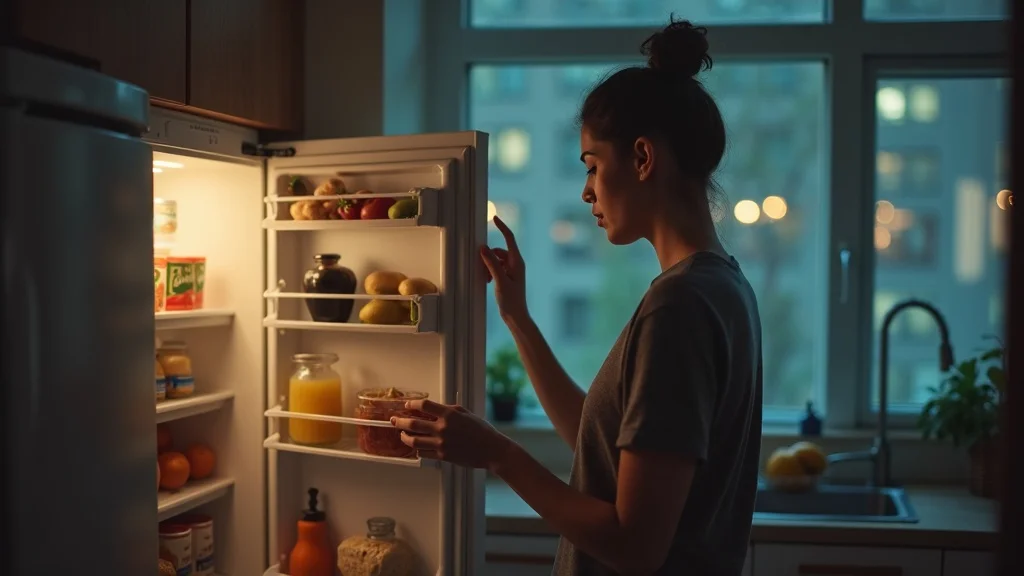
Christmas can be a cruel time for people with eating disorders. The lead-up is dominated by eating, drinking, and partying – team this with a turbulent relationship with food and family members silently monitoring your every mouthful, and you can begin to understand the challenges.
When Francine* was 19 years old she began to struggle with bulimia – bingeing on food and then purging by either vomiting or taking laxatives. The now 29-year-old from southwest London says she was bulimic for three years and those Christmases were some of the hardest she’s had to endure.
“It’s a really torturous time because I so desperately want to participate, feel a part of it and also enjoy the food. But somehow it becomes about either avoiding the food or overindulging in the food,” says Francine, who has also struggled with anorexia and binge-eating tendencies.
She has had Christmases where she’s deceived people and hid food so she didn’t have to eat it. She’s also had years when she’s binged on a whole tub of Celebrations. “All of these behaviours stopped me from being able to enjoy the day,” she says. “It was just all about the food. I just wanted the day to be over so the food would stop appearing.”
It is worth thinking about how you might participate in Christmas celebrations that are more within your comfort zone and allow you to retain a feeling of personal control. For example, having something to eat before you go to a party might offset a binge in people who restrict food in some way. Not eating can make food all the more desirable and create biochemical imbalances that set up powerful cravings for food. So stay one step ahead of party food by “eating a balance of protein, complex carbohydrate, and healthy fat” BEFORE you go out. This could include fish, tofu, or chicken with a mix of salad items such as lettuce, celery, carrot, beetroot, tomato, cucumber, grapes, apples, avocado and rocket, a small amount of brown rice or quinoa, a drizzle of olive oil and a coating of roasted seeds. The added benefit of such a meal is that it may induce a feel-good factor so that you enter a party feeling happier within yourself as well as less fearful AND less interested in the food. Taking food out of the equation in this way may leave you freer to enjoy any celebration.
It’s thought around 1.25 million people in the UK have an eating disorder, with girls and young women aged 12-20 years old being most at risk. These are serious, mental illnesses that require treatment. In some cases, the illness can become so severe that people need to be sectioned.
Francine experienced this herself – at one point she was taking 100 laxative tablets in a day which caused her to bleed and have accidents in public. The pills impact her to this day, almost a decade on. “If I needed the toilet now, I literally couldn’t walk 50 metres to the toilet,” she explains. “I would have to go right now. Last week I had two accidents, so I still suffer.”
Stress levels for people with eating disorders may rapidly escalate throughout the festive period and as we live in a society that is accustomed to celebrating through the use of food and alcohol, care needs to be taken to retain a sense of balance. You may benefit from thinking about how you are going to manage Christmas before it arrives on your doorstep and you can do this by talking to a good friend, planning yourself, or engaging a therapist. Being armed with a number of sensible strategies around food and relationships ahead of Christmas time may help you to manage the potential overwhelm.
Christmas can be a particularly triggering time for people with binge-eating disorders and bulimia, according to the eating disorders charity Beat. It can also cause huge anxiety for those with anorexia, who often have to sit at a meal table with relatives and their questioning eyes.
In extreme cases, a person who is undernourished through disordered eating may need to be hospitalized in order to address the potentially fatal consequences of food restriction. The complicated issues that often underlie an eating disorder, may only usefully be explored once the nutritional balance is regained.
Two Christmases ago, Ellie Wildbore was in hospital because of her eating disorder. She was diagnosed with anorexia and bulimia in her late teens and managed to enter a period of on-and-off recovery before she relapsed again this year.
The 31-year-old describes her relationship with food as “complicated” and recalls her earliest memory of feeling guilt around food at the age of three years old. “It’s been a background theme in my life,” she says. “I do really love food, but allowing myself to eat it freely is very difficult.” A lot of this, she says, is down to body image.
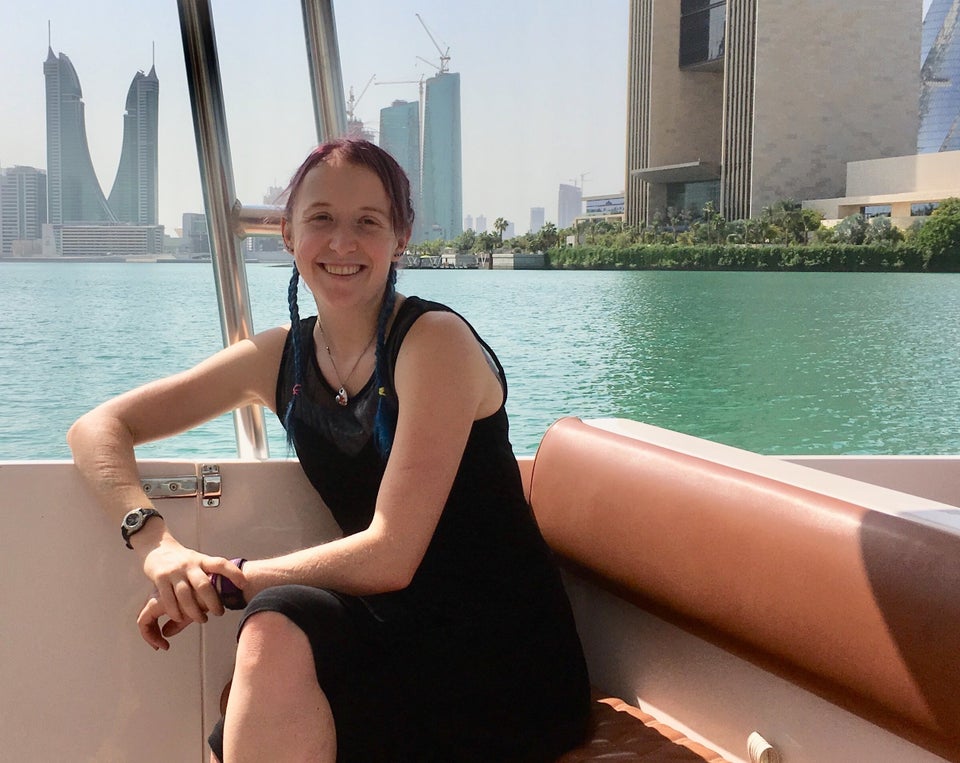
Christmas, for her, has been up and down. In the years when she felt better, she was able to have a festive period relatively free of guilt and actually enjoy it. But at other times it’s been utterly overwhelming. “Because I have binge-purge tendencies, having all these foods around that aren’t around the rest of the year, I think: ‘Oh my god, I need to try them all before they go away.’ Bingeing has always been an issue at this time of year.”
Some years she’s had to eat pasta because she hasn’t been able to cope, other times she’s plated her dinner up in the kitchen rather than ladling it up at the dinner table in front of others – something that she finds overwhelming.
For people like Francine and Ellie, food threatens to overshadow a potentially “jolly time” with the darkness of a hellish nightmare:
Christmas is a weird time because you’re meant to be jolly and care-free… the antithesis of that is being bombarded by food all the time.”
Ellie Wildbore is having ongoing treatment for her eating disorder and, as part of her recovery, swears by meal plans which help her decide what she’ll eat so that when it comes to Christmas Day she doesn’t feel out of control. She’ll also sit down with her mum each year to discuss how they’ll handle Christmas on the food front – coming up with an action plan of how to navigate it.
Francine also said meal plans helped her when she was suffering badly. She would be really specific about what she would eat over Christmas – “so I would have X amounts of turkey, two pigs in blankets, one Yorkshire pudding,” she explains.
Becoming fearful of food and alternating between excesses and extremes, can typify many eating disorders. Dave’s painful engulfing of sausage rolls at Christmas time seems to speak of his panic around food and how he swallowed items whole as if to “get it over with quickly:”
Dave Chawner, 29, was diagnosed as severely clinically anorexic in 2014, just two days before Christmas. That time of year has always been difficult for him. “I remember previously chucking whole bits of food like whole sausage rolls down without chewing them and then getting a distended stomach and having to go home early and be sick,” he says.
“I think Christmas Day is an odd day and Christmas is a weird time because you’re meant to be jolly and you’re meant to be care-free, this is meant to be a relaxation. However, the antithesis of that is being bombarded by food all the time. So you’re caught in a weird juxtaposition between everyone telling you you should be jolly and happy and relaxed, but then actually one of the biggest fears is present and ever constant.”
Dave, a stand-up comic and presenter, says he has had to learn to be kind to himself during this period – and advises others to do the same. “You probably will fuck up, you might binge or restrict,” he says. “But you know what, [that’s ok] as long as a) you’re learning from whatever mistakes you make, b) you want to change and c) you remember that Christmas is only one day of the year.”

Meal plans seem to be a helpful tool for many people with eating disorders including 19-year-old Ellie Pool who, after repeated trips to her GP, was told by a counsellor she has disordered eating. She also has coeliac disease and emetophobia (a fear of being sick), which makes the run-up to Christmas an anxious time.
Disordered eating is a term used to describe unhealthy eating behaviours and worries about body image. Ellie, a content and social strategist based in Cheshire, says she analyses everything she eats because she’s scared of gaining weight. And Christmas only serves to amplify her feelings of fear around weight gain.
“I find resisting temptation to snack or eat ‘naughty food’ is a lot more difficult at Christmas as there is chocolate and treats everywhere,” she says. “As someone who gets a lot of guilt when I eat a treat or a snack that I wouldn’t usually, this is hard.”
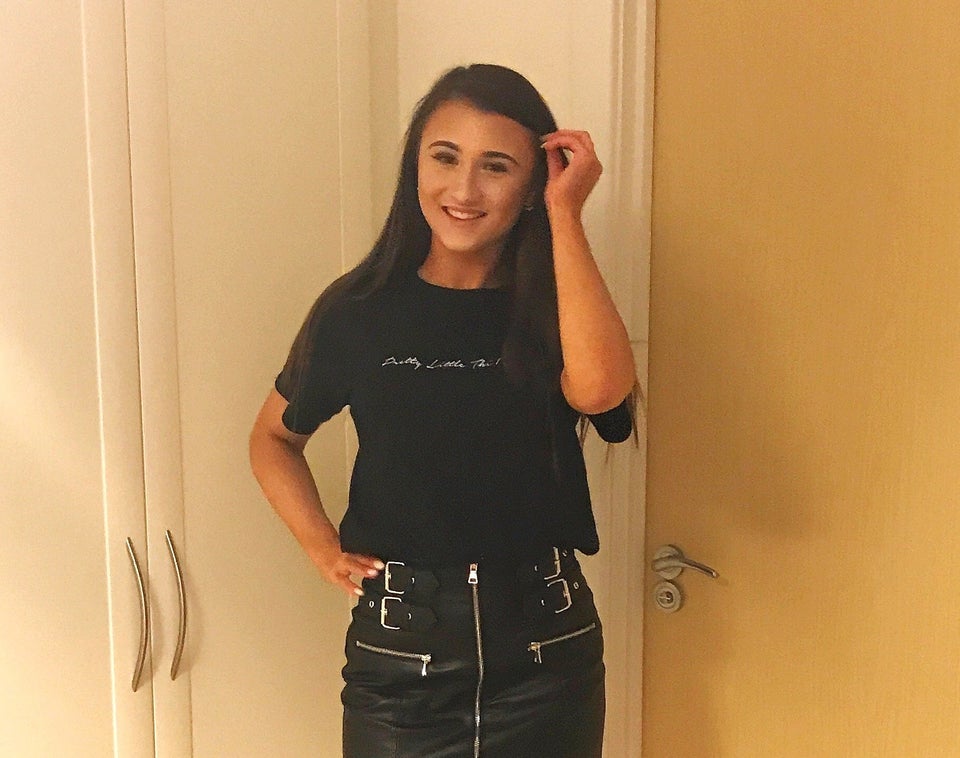
Whilst the festive period may represent joyous indulgence to many, those who suffer from eating disorders may be consumed with guilt and shame in sharp contrast:
The social element that Christmas brings with it can also cause issues – especially if relatives are unaware of a person’s mental illness.
Beat’s director of services, Caroline Price, says: “People with eating disorders often try to hide their illness and at Christmas when eating is a social occasion – often with people who they do not see frequently – they may feel ashamed and want to isolate themselves from others.”
Sadly, many families and friends don’t know what to do to help someone close who has an eating disorder:
At the same time, Christmas can be hard for families who are aware their loved one has an eating disorder, as they don’t necessarily know what to do or how to act. Hannah says friends and relatives will often oversimplify things: “If I’m over-eating or being bulimic, they’re just like: ‘Will you just stop eating?’ And if I’m not eating, they’re like: ‘Will you just eat?’ And actually, it’s not as simple as that.” She adds: “Other people, especially when I’ve been really underweight, they’d say ‘eat more eat, more’ and it made me want to eat less. So my advice would be: do what you need to do to get through the day.”
Being able to voice your fear and shame around food can help some:
Francine asks for understanding during this time. Being able to open up about issues can help reduce those feelings of shame and isolation among people with eating disorders. “It’s really helped me to speak to people,” Francine says. “Texting is good but actually saying stuff out loud like ‘I’m really struggling, it alleviates the obsession [with food] somehow. Making calls makes a huge difference.”
Alcohol can often exacerbate an eating disorder, it can also set up food cravings:
Avoiding buffets (“they never work”) and also alcohol has been hugely helpful to her. “A lot of people with eating disorders also suffer with alcoholism,” Francine continues. “Alcohol makes it hard for lots of people to stick to their boundaries. Some of my worst binges and purges happened when I was drunk.”
If you think you are suffering from an eating disorder, you may find initial help and support from the following organisations:
- Beat, Adult Helpline: 0808 801 0677 and Youthline: 0808 801 0711 or email help@
beateatingdisorders.org.uk ( adults) fyp@ beateatingdisorders.org.uk ( youth support). Anyone worried about their own or someone else’s health can contact Beat’s Helplines, which will be open every day over the Christmas period, from 4pm–8pm from 24 December to 1 January. - Samaritans, open 24 hours a day, on 08457 90 90 90
- Mind, open Monday to Friday, 9am-6pm on 0300 123 3393
The Hove Counselling Practice offers specialized treatment for eating disorders including being overweight, in line with the National Centre for Eating Disorders in London.
*Name has been changed for privacy purposes.