Key Takeaways
- Gambling addiction often manifests through financial secrecy, unexplained money problems, and increasing time spent gambling despite negative consequences
- Common warning signs include mood swings when unable to gamble, lying about whereabouts, and making failed attempts to cut back
- Gambling addiction severely impacts relationships through trust erosion, financial devastation, and emotional neglect
- Partners can approach the situation using “I” statements, focusing on specific behaviours rather than accusations
- The Hove Counselling Practice offers professional support for both individuals with gambling addiction and their affected partners
Recognising gambling addiction warning signs early can be the difference between salvaging a relationship and watching it crumble under the weight of secrecy and financial ruin. While occasional gambling might seem harmless, problem gambling can silently devastate intimate relationships, families, and entire support networks. At The Hove Counselling Practice, we’ve witnessed how early intervention can dramatically improve outcomes for both the person struggling with gambling and their loved ones.
Gambling addiction—clinically known as gambling disorder—is a progressive condition where a person develops an uncontrollable urge to gamble despite mounting negative consequences. The disorder affects approximately 1% of UK adults, though many cases go unreported due to shame and stigma. Understanding the warning signs is crucial for partners who often serve as the first line of defense against this destructive addiction.
How Gambling Addiction Destroys Relationships: The Hidden Truth
Unlike substance addictions with visible physical symptoms, gambling addiction often remains hidden until significant damage has occurred. The secretive nature of problem gambling means partners are frequently blindsided when the addiction finally surfaces—usually through a catastrophic financial event or when lies become impossible to maintain. This “hidden” quality makes gambling particularly destructive to intimate relationships, as years of deception can accumulate before the problem becomes apparent.
Research shows that relationships affected by gambling addiction experience higher rates of domestic violence, divorce, and long-term emotional trauma. The person with the addiction often experiences intense shame, which paradoxically drives them deeper into gambling as an escape mechanism. Meanwhile, partners report feelings of betrayal comparable to discovering infidelity, creating emotional wounds that can take years to heal.
10 Warning Signs Your Partner Has a Gambling Problem
Identifying gambling addiction early requires vigilance and awareness of subtle behavioural changes. While some signs might appear innocent in isolation, recognising patterns is key to early intervention. The following warning signs have been consistently reported by partners of people with gambling addictions.
1. Financial Secrecy and Unexplained Money Problems
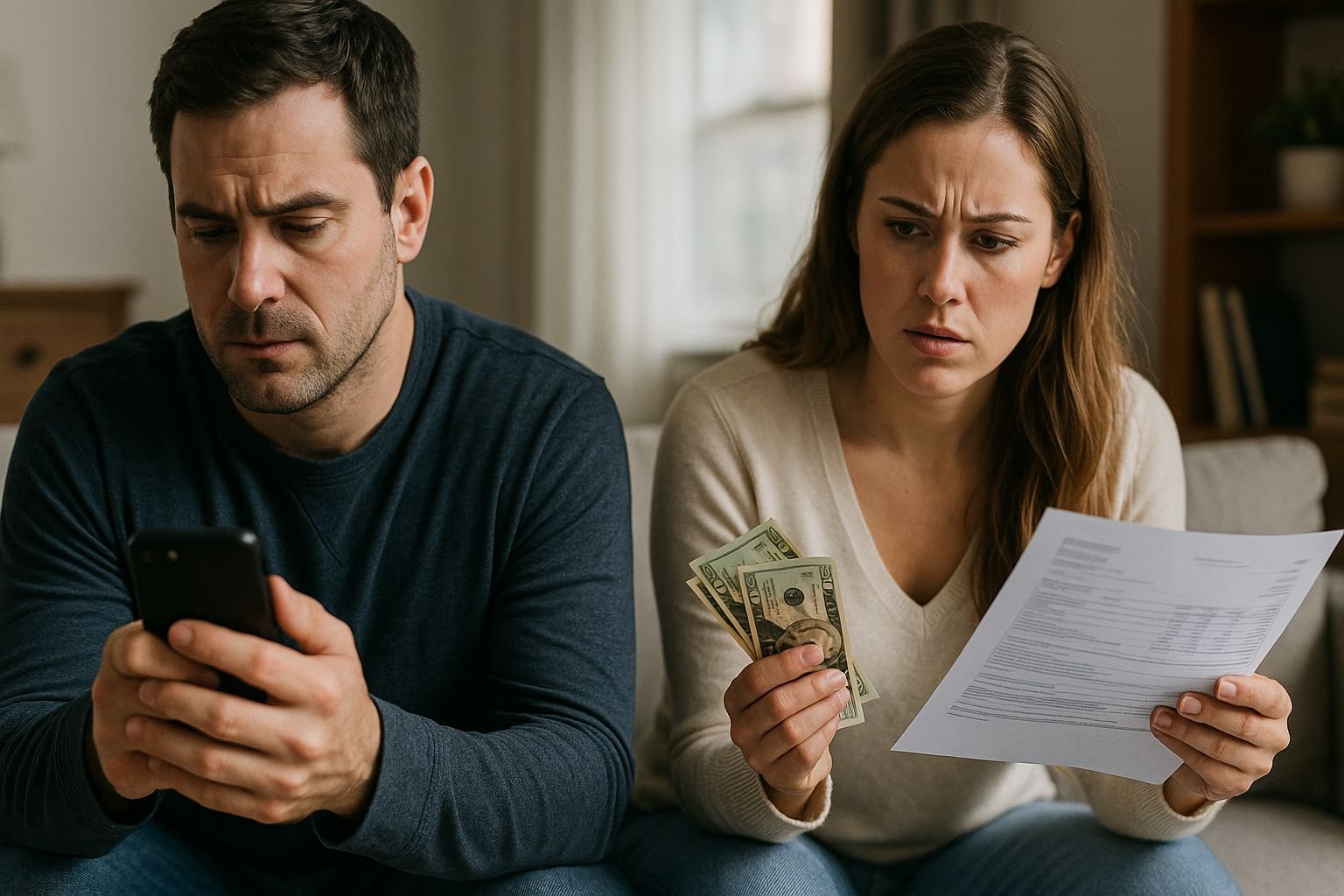
One of the earliest and most telling signs of gambling addiction is a sudden shift towards financial secrecy. Your partner might become defensive when discussing money, take over financial responsibilities they previously shared, or create separate accounts without explanation. Bills that were previously paid on time might suddenly go into arrears despite no change in household income. You might notice cash withdrawals from joint accounts that cannot be explained or find that savings are mysteriously depleted.
2. Frequent Lies About Whereabouts and Activities
People struggling with gambling addiction often create elaborate stories to conceal their gambling activities. Your partner might claim to be working late, meeting friends, or running errands when they’re actually gambling. These lies typically become more frequent and complex as the addiction progresses. You might notice inconsistencies in their stories or find yourself unable to reach them during certain periods. When confronted with these discrepancies, they often become defensive or create even more complicated explanations.
3. Withdrawal From Family Activities and Responsibilities
As gambling consumes more time and mental energy, your partner may gradually withdraw from family activities they previously enjoyed. This might begin subtly—missing occasional family dinners or children’s events—but often progresses to regularly absent from significant occasions. Household responsibilities might be neglected, and previously reliable patterns of behaviour become unpredictable. This withdrawal often happens gradually enough that it may not raise immediate concerns until a pattern emerges.
The emotional connection in the relationship typically suffers as the person with gambling addiction becomes increasingly preoccupied with betting opportunities or recovering losses. They may seem mentally “elsewhere” even when physically present with family. This emotional disconnection can leave partners feeling confused and abandoned without understanding why.
4. Mood Swings and Irritability When Unable to Gamble
Mood volatility often signals gambling addiction, particularly when it correlates with gambling access. Your partner might appear anxious, irritable, or restless when unable to gamble—similar to withdrawal symptoms seen in substance addictions. Conversely, you might notice unusual euphoria or excitement after gambling sessions (typically when they’ve won) or profound depression and hopelessness (typically after losses). These mood fluctuations often occur without other apparent causes and can create a walking-on-eggshells atmosphere at home.
Partners frequently report that questioning these mood swings leads to disproportionate anger or defensiveness. The person with the addiction may blame external factors or the relationship itself rather than acknowledging the connection to gambling behaviour. This pattern of projection can lead partners to question their own perceptions and wonder if they’re imagining problems.
Over time, these unpredictable emotional states can create significant stress for everyone in the household and damage the emotional safety that healthy relationships require. Children are particularly vulnerable to this emotional instability and may develop anxiety or insecurity in response.
5. Borrowing Money With Vague Explanations
As gambling losses mount, your partner may begin borrowing money from friends, family, or financial institutions with increasingly vague explanations. You might discover credit cards or loans you weren’t aware of, or receive calls from concerned friends who’ve been asked for money. In advanced cases, valuable items from the home may disappear as they’re sold or pawned to fund gambling activities.
The financial impact of gambling addiction typically follows a predictable pattern: it begins with depleting personal savings, progresses to maximising credit cards and loans, then moves to borrowing from social networks, and ultimately may lead to illegal activities like fraud or theft. Each stage is typically accompanied by promises that a big win will solve all financial problems, creating a destructive cycle that becomes increasingly difficult to escape.
6. Spending Increasing Time Gambling
Problem gambling gradually consumes more time as tolerance develops. What might have started as occasional betting can evolve into hours spent daily on gambling activities. You might notice your partner staying up late after you’ve gone to bed, particularly on electronic devices where online gambling is easily accessible. They might take longer lunch breaks, leave work early, or spend weekends engaged in gambling activities while making excuses about other commitments.
The time investment often extends beyond the actual gambling to include researching betting odds, planning gambling strategies, or ruminating about past losses and future opportunities. This mental preoccupation can make them seem distracted or disengaged even when not actively gambling.
7. Failed Attempts to Cut Back or Stop
A hallmark sign of addiction is the inability to control the behaviour despite sincere desires to do so. Your partner might promise to stop gambling or set limits on time or money spent, only to break these commitments repeatedly. These failed attempts are often followed by remorse, shame, and renewed promises to change, creating a cycle that becomes increasingly demoralising for both parties.
Partners often report that these broken promises damage trust more significantly than the gambling itself. Each failed attempt at control reinforces the feeling that the gambling takes priority over the relationship, deepening the emotional wounds. Recognising this pattern is crucial, as it distinguishes recreational gambling from addiction and signals that professional intervention is likely necessary.
8. Preoccupation With Gambling and Betting Opportunities
When gambling addiction takes hold, your partner may become fixated on gambling-related activities. Conversations might consistently drift toward gambling topics, sports results, or betting opportunities. They might show extreme interest in sporting events or games they previously had no interest in, particularly those offering betting opportunities. This preoccupation often extends to following gambling personalities on social media, subscribing to betting services, or constantly checking gambling-related websites.
9. Gambling to Escape Problems or Negative Feelings
Using gambling as an emotional escape mechanism signals a dangerous progression from recreational activity to psychological dependence. Your partner might turn to gambling during times of stress, after arguments, or when facing difficult emotions. Rather than addressing problems directly, gambling becomes a way to numb uncomfortable feelings or escape responsibility. This avoidance behaviour typically worsens the original problems while adding financial and relationship difficulties, creating a destructive cycle that becomes increasingly difficult to break. If you’re feeling overwhelmed by over-thinking and intrusive thoughts, seeking professional help can be beneficial.
10. Defensiveness When Gambling is Mentioned
When addiction is present, even casual mentions of gambling can trigger disproportionate defensiveness or anger. Your partner might react with hostility to questions about their whereabouts, spending, or gambling activities. They might accuse you of invading their privacy, not trusting them, or trying to control them. This defensiveness often escalates over time and can make productive conversations about the issue nearly impossible without professional support.
The Devastating Impact on Intimate Relationships

Beyond the financial consequences, gambling addiction creates profound relationship damage that can persist long after the gambling stops. Understanding these impacts helps partners recognise the seriousness of the situation and the importance of early intervention.
Trust Erosion: The Foundation Crumbles
Trust forms the foundation of intimate relationships, and gambling addiction systematically destroys this foundation through patterns of deception. The lies typically begin small—perhaps hiding the occasional bet or downplaying losses—but inevitably grow more significant as the addiction progresses. Many partners report that this betrayal of trust creates trauma similar to discovering infidelity, leaving deep emotional wounds that require dedicated healing.
The loss of trust extends beyond gambling to all aspects of the relationship. Partners often find themselves questioning everything the person says, looking for hidden meanings or deceptions even in unrelated conversations. This hypervigilance creates tremendous psychological strain and makes emotional intimacy nearly impossible. Even after gambling stops, rebuilding trust typically requires months or years of consistent honesty and transparency.
Financial Devastation: Debt, Bankruptcy, and Instability
“The financial consequences of gambling addiction typically extend far beyond the gambler themselves. Partners often find themselves facing debts they didn’t create, damaged credit scores, and financial insecurity that can persist for years after the gambling stops.”
The financial consequences of gambling addiction can be devastating and long-lasting. Research shows that the average debt accumulated by someone with a gambling problem is between £20,000 and £30,000, though many cases involve much higher amounts. These financial pressures create chronic stress that affects physical and mental health for the entire family. Partners often find themselves working extra hours, selling assets, or draining retirement accounts to cover basic necessities.
Financial recovery typically takes years rather than months, particularly when bankruptcy or legal issues are involved. Even after the gambling stops, families may struggle with limited housing options, difficulty obtaining loans, or inability to pass employment background checks due to financial or legal history. Children’s education funds, family holidays, and retirement security are frequently sacrificed, creating resentment that can persist long after recovery begins.
The financial betrayal often feels particularly devastating because it represents such a fundamental threat to family security and future prospects. Many partners report feeling as though years of hard work and careful planning were thrown away without their knowledge or consent, creating a profound sense of powerlessness and loss.
Emotional Neglect and Distance
As gambling consumes more mental and emotional energy, emotional neglect becomes increasingly common. The person with the addiction may be physically present but emotionally absent, with their thoughts focused on gambling opportunities or recovering losses rather than engaging with family. This emotional distance creates feelings of loneliness and abandonment for partners, who often can’t understand the sudden change in the relationship dynamic. Children particularly suffer from this emotional neglect, which can affect their attachment security and emotional development.
The Ripple Effect on Children and Family Members
Children raised in homes affected by gambling addiction often experience significant negative impacts. They may witness arguments about money, experience financial instability, or feel the emotional absence of the gambling parent. Research indicates these children have higher rates of anxiety, depression, and behavioural problems compared to peers. They may also develop unhealthy attitudes toward money or gambling, increasing their own risk of developing addiction issues later in life. Extended family members are frequently drawn into the situation through requests for loans or financial assistance, straining broader family relationships and support networks.
Increased Risk of Domestic Violence
Studies show troubling links between gambling addiction and domestic violence, with rates of physical and emotional abuse significantly higher in relationships affected by problem gambling. Financial stress, emotional volatility, and substance use that often accompanies gambling can create dangerous situations for partners and children. The isolation that develops as partners try to hide family problems from others can make it harder to access support and increase vulnerability to ongoing abuse.
How to Approach a Partner With a Gambling Problem
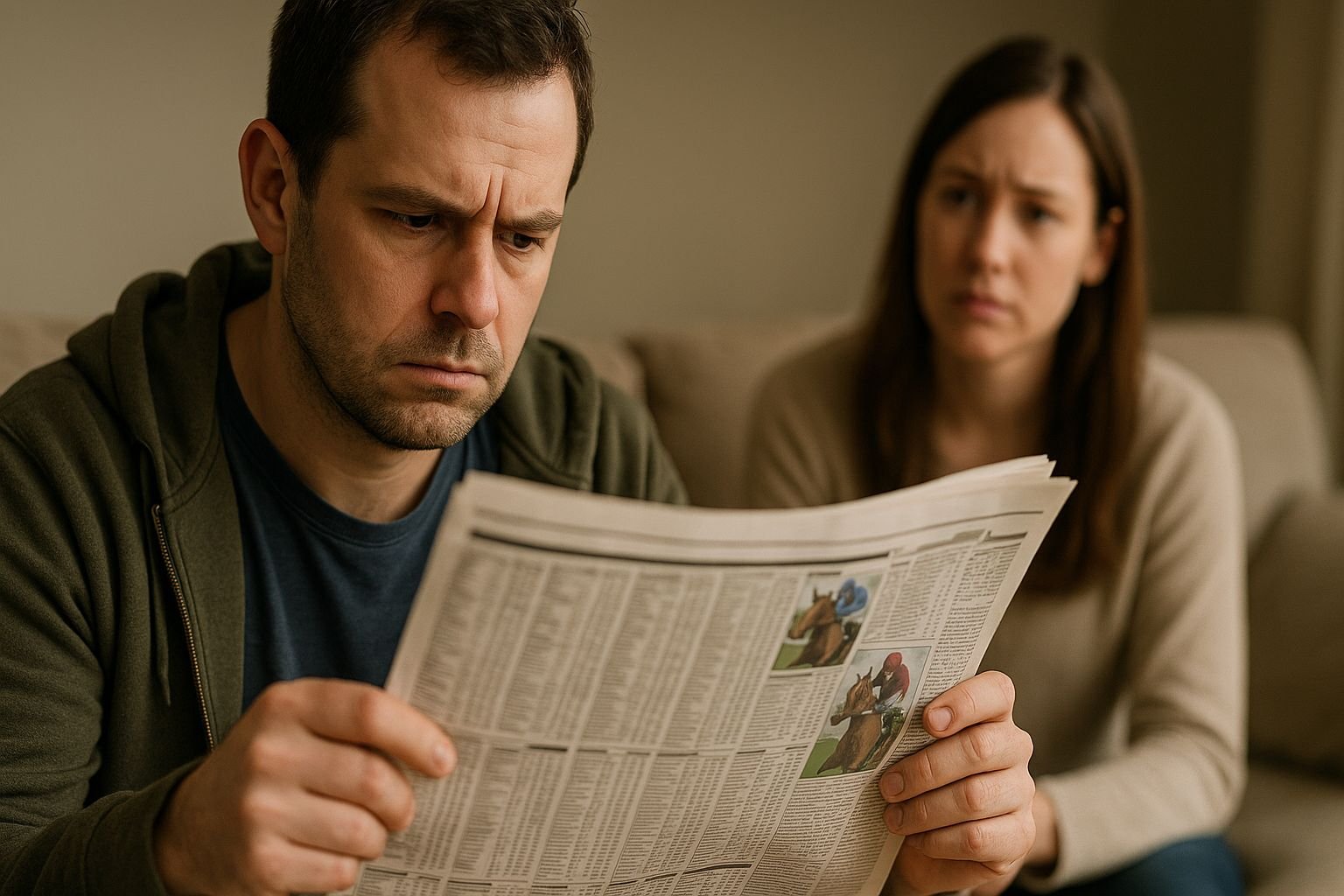
Confronting a partner about suspected gambling addiction requires careful planning and a compassionate approach. Direct accusations or emotional confrontations often lead to defensiveness and denial rather than productive conversation. The goal is to express concern in a way that minimises defensiveness and opens the door to honest communication.
Timing these conversations is crucial. Choose a private moment when you’re both calm and have uninterrupted time to talk. Avoid discussing the issue during or immediately after arguments, when either of you has been drinking, or when children or others are present. Having evidence prepared can be helpful but present it as a concern rather than an accusation.
Understanding that addiction is often rooted in underlying issues like anxiety, depression, or trauma can help maintain compassion during difficult conversations. This doesn’t excuse harmful behaviour, but recognising addiction as a health issue rather than a moral failing creates space for recovery.
Choose the Right Time and Place
Select a quiet, private moment when you’re both calm and have sufficient time for an in-depth conversation. Avoid bringing up concerns when either of you is tired, stressed, or under the influence of substances. Ensure children or other family members aren’t present, as privacy creates safety for honest disclosure. Be prepared for the possibility that your partner may not be ready to discuss the issue, and you might need multiple conversations over time.
Use “I” Statements Instead of Accusations
Frame your concerns using “I” statements that focus on your observations and feelings rather than accusations. For example, “I’ve noticed money missing from our account and I feel worried about our financial security” is less likely to trigger defensiveness than “You’re stealing our money for gambling.” This approach keeps the focus on specific behaviours and their impact rather than attacking your partner’s character, creating space for them to reflect rather than defend.
Focus on Specific Behaviors and Their Impact
Discuss concrete examples of behaviours you’ve observed and their impact on you and the family rather than making generalizations. For instance, “When you missed our daughter’s school concert last week because you were gambling, she was heartbroken, and I felt I had to make excuses for your absence” is more effective than “You’re never there for our family.” This specificity makes it harder for your partner to dismiss your concerns and helps them understand the real-world consequences of their actions.
Offer Support Without Enabling
Express willingness to support your partner’s recovery while being clear about boundaries that protect your wellbeing and financial security. Offer to help research treatment options or attend counselling together, but avoid promises to solve financial problems they’ve created through gambling. Distinguish between supporting their recovery process and enabling continued gambling through financial bailouts or covering up consequences. This balanced approach demonstrates both compassion and self-protection.
Treatment Options That Actually Work
Effective treatment for gambling addiction typically involves a combination of approaches tailored to individual needs. Research shows that cognitive-behavioral therapy (CBT) is particularly effective, helping individuals identify and change thought patterns that drive gambling behaviour. Family therapy is often crucial, as it addresses relationship dynamics that may inadvertently maintain the addiction and helps rebuild trust between partners.
While complete abstinence from gambling is typically recommended, recovery focuses on more than just stopping gambling—it addresses underlying issues like anxiety, depression, or trauma that may fuel addictive behaviour. Treatment also includes developing healthy coping mechanisms for stress and managing triggers that previously led to gambling.
Professional Counselling and Therapy Approaches
Individual therapy provides a safe space to explore underlying issues driving gambling behaviour and develop personalised recovery strategies. CBT helps identify and challenge distorted thinking patterns about gambling, such as beliefs about “due” wins or systems for beating the odds. Motivational interviewing helps strengthen commitment to change when ambivalence is present. For partnerships, couples therapy addresses relationship damage, rebuilds trust, and establishes new communication patterns that support recovery.
Support Groups for Gamblers
Peer support groups like Gamblers Anonymous (GA) provide understanding from others who have experienced similar struggles. These groups follow a 12-step model similar to Alcoholics Anonymous and offer regular meetings, sponsorship from more experienced members, and a structured approach to recovery. For many, the accountability and community these groups provide become crucial elements of long-term recovery, particularly during high-risk periods or significant life stressors that might otherwise trigger relapse.
Financial Counselling and Recovery Plans
Financial counselling helps address the practical consequences of gambling addiction, including debt management, budget creation, and rebuilding financial stability. Creating specific plans for financial recovery gives both partners a roadmap for moving forward and can alleviate some anxiety about the future. This might include arrangements with creditors, structured repayment plans, or in severe cases, bankruptcy proceedings with professional guidance. Having a transparent system for managing money helps rebuild trust while protecting family finances during early recovery.
Self-Care When Your Partner Has a Gambling Addiction
Partners of people with gambling addiction often become so focused on managing the crisis that they neglect their own wellbeing. Establishing self-care practices and support systems is not selfish—it’s necessary for sustainable support and making clear-headed decisions during a difficult time. Research shows that partners who maintain their own physical and emotional health are better able to support recovery and make decisions that benefit the entire family.
Setting Healthy Boundaries
“Setting boundaries isn’t about controlling your partner’s behaviour or punishing them—it’s about clarifying what you need to feel safe and respected in the relationship while they work on recovery.”
Clear boundaries protect your emotional and financial wellbeing while supporting your partner’s recovery journey. These might include requirements for financial transparency, attendance at treatment sessions, or consequences for continued gambling. Effective boundaries are specific, communicated calmly, and consistently maintained. For example, “If you gamble again, I will separate our finances completely” is clearer and more effective than vague threats or emotional ultimatums.
Boundaries often need to evolve as recovery progresses, with more trust and responsibility gradually extended as your partner demonstrates consistent recovery behaviours. Having these boundaries in writing can be helpful for both partners, reducing misunderstandings and providing a concrete reference during difficult moments. Professional guidance from a counsellor experienced in addiction can help establish boundaries that are both protective and supportive of recovery.
Remember that boundaries are only effective if you’re willing to enforce the stated consequences. Empty threats undermine your credibility and can enable continued gambling. If you set a boundary, be prepared to follow through if it’s crossed, even when doing so is painful or disruptive.
Finding Your Own Support Network
Partners of people with gambling problems often benefit tremendously from their own support systems. Groups like Gam-Anon specifically support loved ones affected by gambling addiction, providing understanding, practical advice, and community from others with similar experiences. Individual therapy can help process feelings of betrayal, develop coping strategies, and make difficult decisions about the relationship’s future. Trusted friends or family members who can listen without judgment provide emotional relief and perspective during challenging times.
Recognizing When to Stay or Leave
Perhaps the most difficult decision facing partners is whether to remain in the relationship while the person works on recovery. This deeply personal choice depends on multiple factors: the gambler’s commitment to change, the presence of other issues like abuse or substance use, your own emotional resources, and practical considerations like children and finances. It’s important to recognise that recovery from gambling addiction typically takes time and may include relapses, particularly in early stages. Professional counselling can help clarify your values and priorities while providing support for whatever decision you make.
Rebuilding Trust After Gambling Addiction
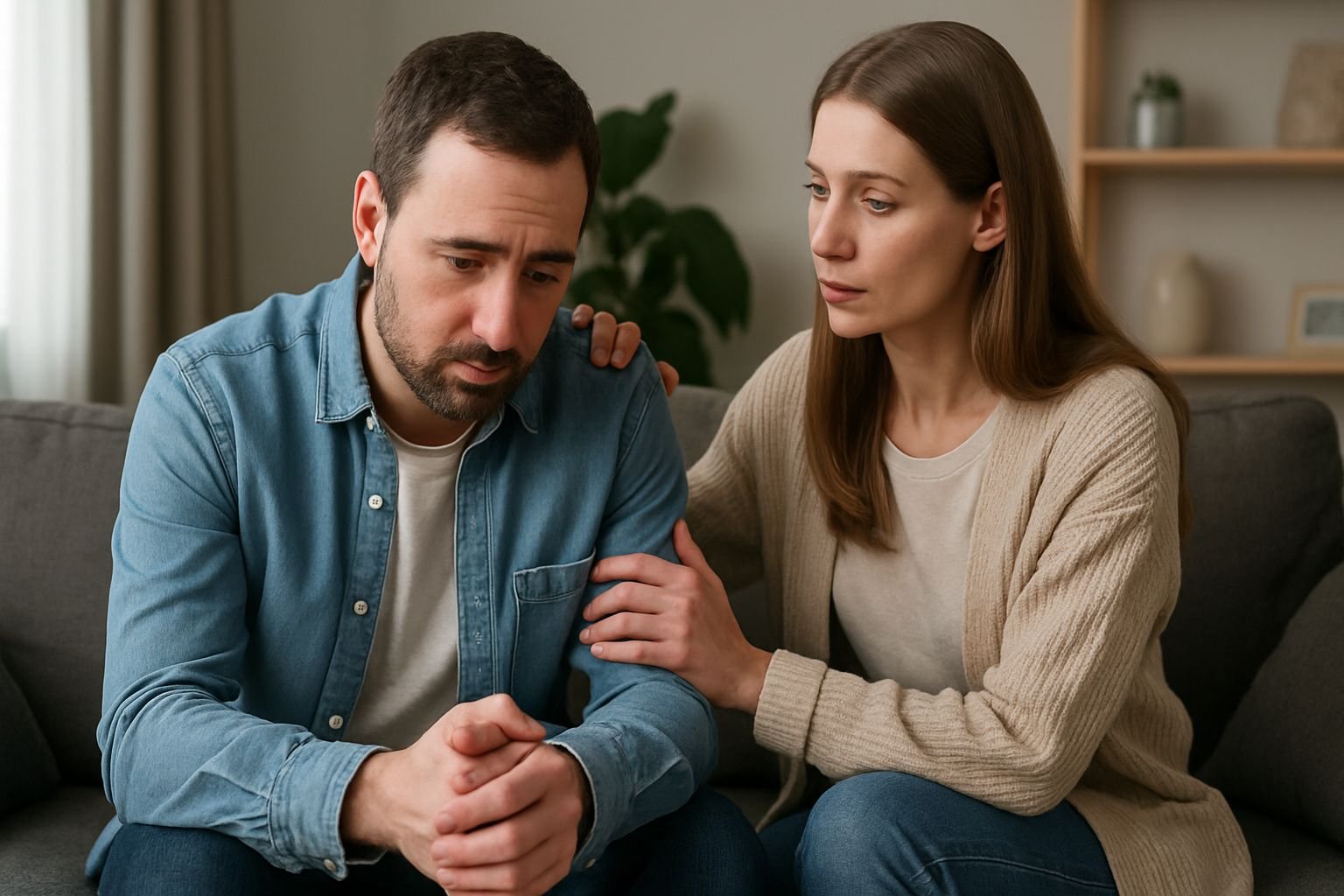
Rebuilding trust after gambling addiction is typically a gradual process requiring consistent effort from both partners. The person with the gambling problem must demonstrate reliable behaviour over time, including complete honesty about finances and activities. This often involves radical transparency—sharing account access, providing receipts, and checking in regularly about whereabouts.
Partners need to balance appropriate caution with willingness to acknowledge positive changes. Remaining stuck in suspicion after the person has demonstrated consistent recovery can undermine motivation and create a self-fulfilling prophecy. This balance is challenging and often requires professional support to navigate effectively.
Both partners benefit from understanding that trust rebuilds gradually rather than through grand gestures or promises. Small, consistent actions over time—keeping commitments, being transparent about finances, responding honestly to questions—ultimately restore faith more effectively than dramatic declarations or temporary intensity.
The Timeline for Healing
While individual experiences vary significantly, research suggests that rebuilding trust typically takes at least one to two years of consistent recovery behaviour. The process isn’t linear—setbacks in trust often occur even without gambling relapses, particularly around anniversaries of significant betrayals or during stressful periods. Understanding this timeline helps both partners maintain realistic expectations and recognise progress even when the relationship still feels fragile.
Practical Steps for Financial Recovery
Financial recovery typically begins with a complete assessment of the damage—gathering all information about debts, credit reports, and financial obligations. Creating a structured repayment plan with professional guidance helps manage creditors while establishing a sustainable budget. Many couples find that temporarily having the non-gambling partner manage finances provides security, though this arrangement should evolve as recovery progresses to avoid creating dependency or resentment.
Financial transparency becomes crucial for rebuilding trust. This might include joint access to all accounts, regular financial meetings to review spending, and systems for accountability around cash and credit cards. As recovery progresses, gradually reintroducing financial responsibility to the recovering person—in structured, limited ways with clear oversight—helps rebuild confidence and partnership.
Communication Practices That Foster Reconnection
Healthy communication provides the foundation for rebuilding emotional intimacy after gambling addiction. Regular check-ins about recovery progress, relationship needs, and emerging concerns help prevent small issues from becoming major problems. Learning to discuss triggers and cravings openly, without shame or judgment, allows the recovering person to receive support rather than hiding struggles that could lead to relapse.
Many couples benefit from structured communication tools, such as scheduled weekly conversations about recovery and finances, or using “I” statements when discussing difficult emotions. Professional guidance can help establish effective communication patterns, particularly when previous attempts at discussing gambling led to arguments or defensiveness. As communication improves, emotional intimacy gradually rebuilds, allowing the relationship to heal and potentially grow stronger through the recovery process.
Recovery Is Possible: Hope for the Future
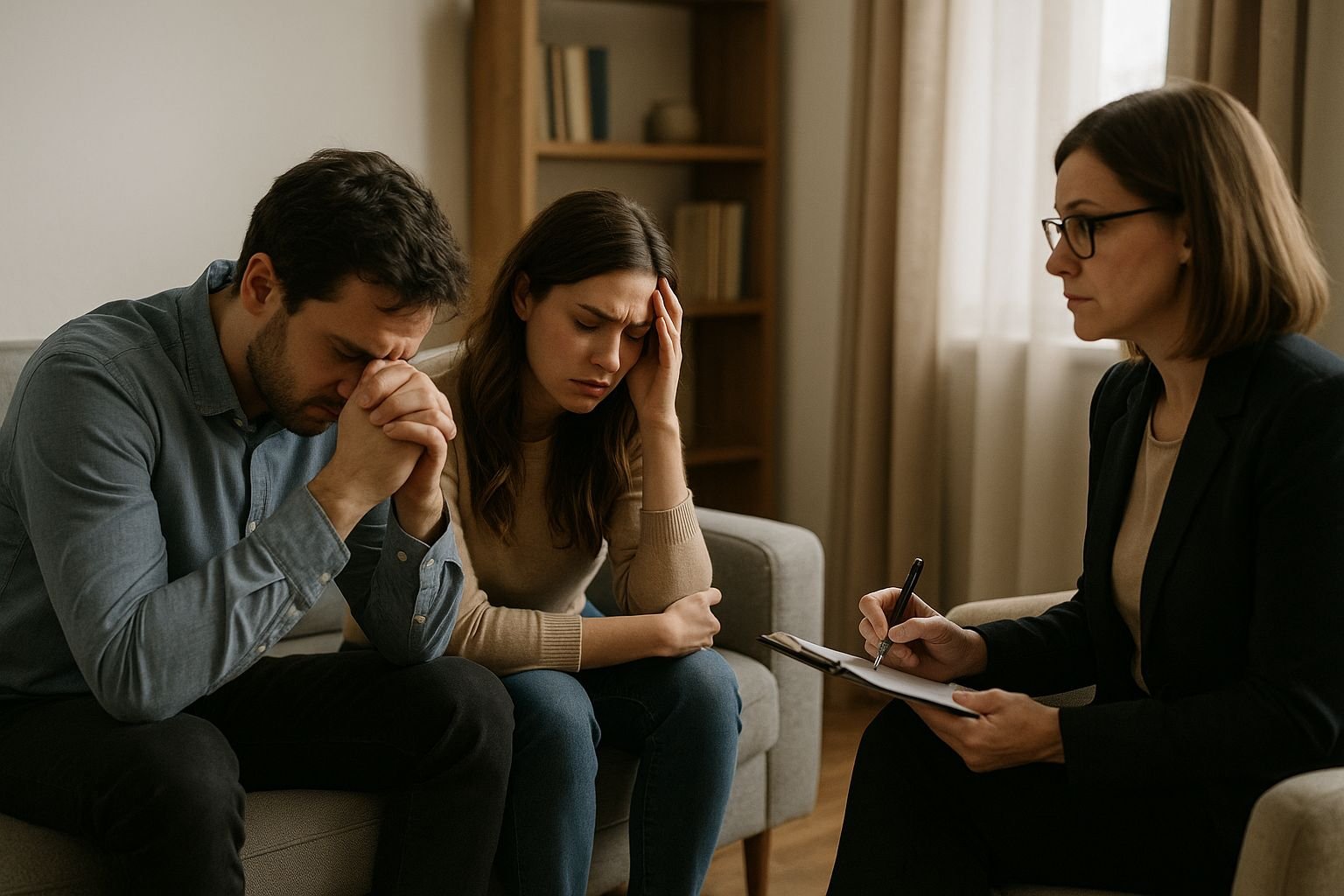
Despite the significant challenges gambling addiction creates in relationships, recovery is absolutely possible with appropriate treatment and support. Research shows that approximately 70% of people who seek comprehensive treatment for gambling addiction achieve meaningful recovery, though the journey typically includes temporary setbacks along the way. Many relationships not only survive but ultimately strengthen through the recovery process, as both partners develop better communication skills, emotional awareness, and mutual support.
“Recovery isn’t just about stopping gambling—it’s about creating a healthier, more fulfilling life and relationship than existed before the addiction took hold.”
Recovery often leads to personal growth for both partners as they develop greater self-awareness, emotional regulation skills, and communication abilities. Many people report that working through addiction recovery together created deeper intimacy and understanding than existed previously in the relationship. While gambling addiction creates painful challenges, viewing recovery as an opportunity for growth rather than just returning to the pre-addiction state can help sustain motivation during difficult periods. For those seeking support, exploring Brighton couples therapy can be a valuable step.
For those currently struggling with gambling addiction or supporting a partner through recovery, know that you are not alone. Thousands of people successfully navigate this journey each year, rebuilding their lives and relationships with appropriate support. Taking that first step—whether calling a helpline, researching treatment options, or attending a support group—begins a process that can lead to lasting positive change.
Frequently Asked Questions
These questions represent common concerns from partners and family members of people with gambling problems. While general guidance is provided here, individual circumstances vary, and professional advice should be sought for specific situations.
Can a relationship survive gambling addiction?
Yes, many relationships do survive and even strengthen through the recovery process from gambling addiction. Success typically depends on several key factors: the person with the gambling problem must be genuinely committed to recovery and willing to accept help; both partners need to engage in open, honest communication about the situation; and appropriate professional support should be obtained for both the gambling issue and relationship healing.
- Couples who successfully recover typically establish complete financial transparency
- Rebuilding trust requires consistent, honest behaviour over an extended period
- Professional counselling specifically addressing relationship issues increases success rates
- Recovery is more likely when both partners have realistic expectations about the timeline
Research indicates that relationships where partners attend counselling together have significantly higher success rates than those where only the person with the gambling problem receives treatment. This joint approach addresses both the addiction issues and the relationship damage simultaneously.
Remember that recovery isn’t about returning to exactly how things were before the addiction—it’s about building a healthier relationship with improved communication, boundaries, and mutual support. Many couples report that working through addiction ultimately created stronger bonds than existed previously.
Should I pay off my partner’s gambling debts?
Generally, financial experts and addiction specialists advise against paying off a partner’s gambling debts unless absolutely necessary to prevent immediate consequences like homelessness or legal issues. Repeatedly bailing out a partner financially often enables continued gambling by removing natural consequences that might otherwise motivate change. When the gambling partner doesn’t experience the full impact of their behaviour, they’re less likely to commit to difficult recovery work.
If you do decide that paying certain debts is necessary, consider attaching clear conditions such as the gambling partner entering treatment, attending support groups, or surrendering financial control temporarily. Consulting with a financial counsellor experienced in addiction situations can help determine which debts represent true emergencies requiring immediate action versus those that can be addressed through structured repayment plans as part of recovery.
How do I stop enabling my partner’s gambling?
Enabling behaviour often begins with good intentions—trying to protect your partner or family from consequences—but ultimately prolongs the addiction. Common enabling behaviours include lending money, making excuses to others for gambling-related absences, taking over responsibilities to compensate for gambling, or lying to creditors on your partner’s behalf. Stopping these behaviours typically requires establishing clear boundaries about what you will and won’t do regarding gambling consequences.
Practical steps to reduce enabling include separating finances where possible, refusing to provide money for any purpose if gambling continues, allowing your partner to experience natural social consequences of missed events or commitments, and being honest with close family about the situation rather than covering up problems. Support groups like Gam-Anon can be particularly helpful in identifying subtle forms of enabling and providing encouragement to maintain boundaries even when doing so is painful.
What’s the difference between casual gambling and addiction?
The line between recreational gambling and addiction isn’t about the amount spent or frequency alone, but rather the impact on functioning and control. Casual gamblers set and maintain limits on time and money spent, can stop when planned, and don’t experience significant negative consequences from their gambling. They gamble for entertainment rather than to escape problems or chase losses. In contrast, problem gamblers experience preoccupation with gambling, inability to stop despite wanting to, withdrawal symptoms when not gambling, and continued gambling despite serious negative consequences to relationships, work, and finances.
Can gambling addiction be completely cured?
- Rather than a “cure,” gambling addiction is typically managed through ongoing recovery practices
- Most addiction specialists view gambling disorder as a chronic condition requiring long-term management
- Many people achieve long-term abstinence and recovery with appropriate treatment and support
- Relapse risks can be significantly reduced through continued participation in support groups and maintenance of recovery practices
The recovery process typically involves addressing underlying issues that contributed to the addiction, developing healthy coping mechanisms for stress and triggers, establishing financial accountability systems, and rebuilding damaged relationships. With comprehensive treatment and ongoing support, many people maintain long-term recovery and lead fulfilling lives free from problematic gambling.
For those in early recovery, focusing on daily practices rather than permanent “cure” often proves more effective for maintaining motivation and recognising progress. Each day of recovery represents success and strengthens the foundation for continued abstinence.
Recovery becomes easier over time as new habits replace gambling behaviours and trigger responses diminish. Many people find that what initially requires constant vigilance eventually becomes more natural, though maintaining some connection to recovery support remains valuable even after years of abstinence.
If you’re concerned about your own gambling or that of a loved one, reaching out for professional help is the most important step you can take. Early intervention significantly improves outcomes and can prevent much of the financial and relationship damage that occurs in advanced addiction.