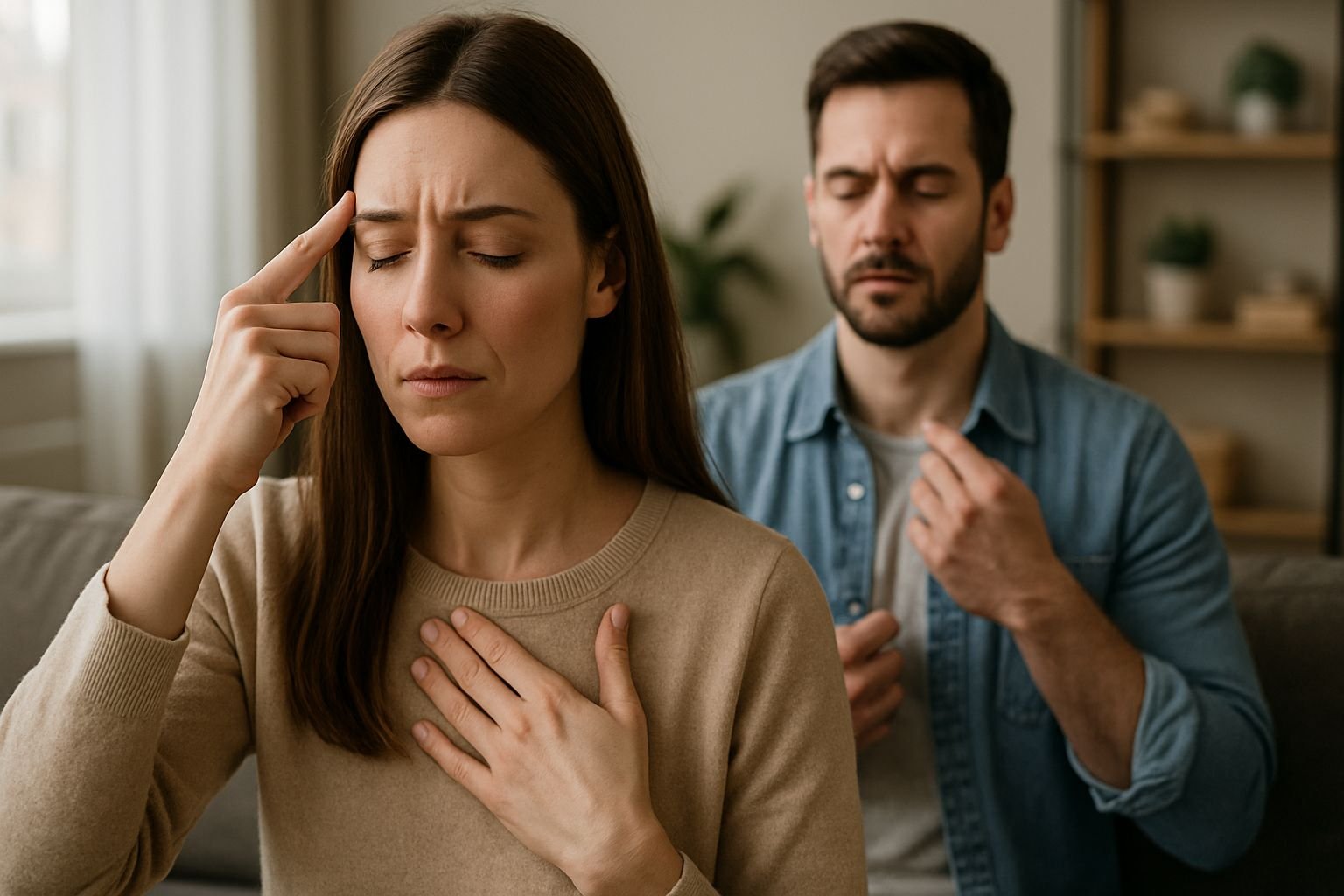
One in four adults will experience a mental health problem each year, yet most never try tools such as Emotional Freedom Technique (EFT) to find relief. Mental wellbeing challenges remain widespread, but practical and gentle approaches like EFT are showing promise for those seeking greater confidence and resilience.
Startling Mental Health Facts: The Case for Emotional Freedom Technique
Across the UK, anxiety, stress, and depression are escalating concerns. The NHS reports that mental health conditions are the leading reason for disability among working-age adults. Demand for supportive measures is at an all-time high. Emotional Freedom Technique, sometimes known simply as “EFT Tapping”, stands out as an easy-to-learn method that empowers individuals to manage emotions with their own hands. Unlike traditional talk therapies, EFT blends gentle self-tapping on specific points with spoken statements, promoting both emotional release and resilience. This approach aligns with a growing preference for techniques that are simple, non-invasive, and can be practised anytime, anywhere.
The popularity of freedom techniques is rising, not just because they are easy to learn, but because studies repeatedly show improvements in stress, anxiety, and emotional regulation for those who use them. The simplicity of tapping on acupressure points found on the face and body appeals to individuals of all backgrounds and age groups. By addressing both mind and body, emotional freedom technique appeals to many looking beyond conventional approaches to mental health.
Rising Mental Health Challenges and the Potential of Emotional Freedom Technique
As awareness grows around the severity of mental health challenges, interest in practical solutions like EFT increases. Many find traditional therapies expensive or difficult to access, while freedom techniques offer self-guided tools that supplement professional support. The rise in searches for “eft tapping,” “e f,” and “mental health techniques” highlights a collective need for new approaches.
Emotional freedom technique isn’t meant to replace medical treatment, but it offers a way for people to actively participate in their own healing, increasing a sense of agency and empowerment. Research suggests that EFT can help reduce the symptoms of anxiety, trauma, and stress disorder, contributing to long-term emotional wellbeing. As the demand for scalable, effective coping tools mounts, incorporating freedom techniques into daily life could play a pivotal role in supporting nationwide mental health.

Understanding Emotional Freedom Technique (EFT Tapping)
What is Emotional Freedom Technique?
The emotional freedom technique, often referred to as EFT or “tapping”, is a form of psychological acupressure. Unlike traditional talk therapy, EFT taps into the body’s natural energy system by gently tapping with your fingertips on specific acupressure points. The process involves repeating set-up statements based on personal emotional challenges, while focusing attention on the sensations at these tapping points. Developed in the 1990s by Gary Craig, EFT blends principles of ancient Chinese medicine with modern psychology, resulting in an easy-to-learn practice for managing negative feelings and building emotional freedom.
EFT tapping draws from the idea that unbalanced energy fields in the body can lead to emotional distress and even physical issues. Tapping on key “pressure points” commonly used in acupuncture and acupressure—such as the eyebrow, side of the eye, and collarbone—stimulates the body’s natural calming mechanisms. By combining gentle touch with self-affirming statements, emotional intensity surrounding distressing thoughts or memories can be reduced, helping individuals find new balance and confidence.
The Origins and Development of Freedom Technique
The emotional freedom technique traces its roots to “energy psychology”, a field combining Western psychotherapy practices with the energetic principles of Chinese medicine. Gary Craig, a Stanford-trained engineer, introduced EFT as a streamlined, more accessible version of Thought Field Therapy developed by Dr. Roger Callahan. While Callahan’s approach relied on complex tapping sequences, Craig simplified the process, making it easier for anyone to master. The basic method has remained consistent, but various “freedom techniques” and offshoots, including D EFT (Dynamic Emotional Freedom Technique), have been proposed to address different emotional needs.
Interest in e f and its potential spread rapidly due to the technique’s accessibility and portability. Over the years, scientific studies have explored its benefits for anxiety, depression, trauma, and physical pain. Organisations like EFT International provide standards and training to ensure safe and effective tapping sessions. The popularity of emotional freedom techniques continues to rise globally, as individuals, therapists, and healthcare professionals recognise its potential for supporting lasting emotional resilience.
How Emotional Freedom Technique Supports Mental Health
Emotional Freedom Technique and Its Impact on Stress and Anxiety
Consistent use of emotional freedom technique has been shown in numerous research studies to ease stress and lower anxiety levels. By focusing both on the emotional issue and the sensations produced during tapping, EFT helps interrupt negative emotional loops. Many users report that, after following the protocol for just a few minutes, their emotional intensity about a specific concern decreases. For example, someone facing social anxiety might use eft tapping before a stressful event, helping to bring calm and reassurance to their mind and body.
Freedom techniques are commonly used in mental health support groups, therapy settings, and even schools. Several randomised controlled trials have found that large groups using EFT report significant reduction in the symptoms of stress disorder, anxiety, and intrusive thoughts. This points to the power of these methods as self-management tools for daily stressors, relationship challenges, and life transitions. As more testimonials and data become available, emotional freedom technique is gaining recognition in wellness and psychology circles as a valuable addition to traditional approaches.

For those interested in a deeper dive into how EFT can specifically address anxiety and related symptoms, you may find it helpful to explore practical applications of EFT for anxiety management and discover tailored strategies for everyday stress.
Emotional Freedom and Building Long-Term Resilience
Beyond immediate relief from emotional upsets, emotional freedom technique has potential for fostering enduring resilience. Consistent practice helps retrain the body’s stress response, reducing the tendency to become overwhelmed by challenging emotions. Over time, individuals become more aware of their emotional triggers and gain new skills in emotional regulation. The act of tapping itself can be a self-soothing routine, making feelings of confidence and self-efficacy more accessible.
Freedom techniques work best when woven into a broader mental health routine. Users who practise regularly report improvements not just in mood, but also in sleep, focus, and overall wellbeing. By making EFT tapping a habit during both calm and stressful moments, people may notice that their resilience grows steadily—helping to buffer against future setbacks and cultivate a more stable emotional foundation.
The Science Behind EFT Tapping and D EFT Methods
Comparison of Emotional Freedom Technique, Freedom Techniques, and D EFT for Mental Health Outcomes | |||
Method | Key Elements | Evidence for Mental Health Benefits | Common Applications |
|---|---|---|---|
Emotional Freedom Technique (EFT) | Tapping on 9 points, use of set-up statements, focus on emotional issue | Strong support for anxiety, stress, trauma; endorsed by EFT International; dozens of published studies | Self-confidence, anxiety, PTSD, stress, cravings, pain relief |
Freedom Techniques | Variety of sequences, similar underlying principles, sometimes tailored to specific issues | Emerging evidence supporting use in emotional regulation | Personal growth, coping skills, resilience |
D EFT (Dynamic EFT) | Focuses on flexibility and deeper therapeutic work | Lesser-studied, early stage clinical interest | Therapeutic sessions addressing complex trauma and deep-rooted beliefs |
Step-by-Step Guide: How to Practise Emotional Freedom Technique Correctly
The 9 Tapping Points for EFT Tapping
Karate Chop Point
Eyebrow
Side of Eye
Under Eye
Under Nose
Chin
Collarbone
Under Arm
Top of Head
Tapping Manual: Key Steps in Emotional Freedom Technique
The essential “tapping manual” for EFT outlines a sequence to follow in order to gently calm emotional distress. Begin by identifying the emotional concern and rating your discomfort level from 0 to 10. Craft a set-up (acceptance) statement—such as, “Even though I feel worried about my exam, I accept myself.” Start tapping the Karate Chop Point while repeating this statement. Next, move systematically through each of the 9 tapping points, using your fingertips to tap lightly as you either repeat your set-up phrase or focus on the feelings at hand.
Continue the sequence for several rounds, reassessing your emotional intensity after each pass. If the intensity drops, you may stop; if not, adjust your statement and tap again. The simplicity of this tapping manual is a key reason so many find EFT tapping accessible and effective. Some prefer to add deep breaths, visualisations, or gentle affirmations to further enhance the calming effect.
Tips for an Effective EFT Session
Preparation is helpful for a productive EFT session. Create a quiet space where you feel safe and uninterrupted for a few minutes. Focus on one issue at a time and use language that feels honest to you in your set-up statement. Tapping through the nine points with intent, rather than rushing, brings the best results. After your tapping session, pause to notice any shifts in body sensations or mood.
Should emotional issues persist or feel overwhelming, consider speaking with a healthcare professional who is trained in EFT or energy psychology. Combining the technique with routine reflection and gentle self-care can make each session more effective and sustainable over the long term.
Building Confidence Using Emotional Freedom Technique
How EFT Tap Builds Emotional Resilience
By practising EFT tap routinely, people nurture emotional resilience—a core element of confidence and wellbeing. Regular tapping allows individuals to process worries, fears, and doubts in a non-judgemental way. This repetitive reassurance helps train the brain to handle emotional distress with calmness. Research suggests that EFT can decrease the fear response in the amygdala, the area of the brain central to anxiety and emotional regulation.
EFT tapping is particularly effective for addressing self-doubt and building new beliefs in personal capability. As negative thought patterns are replaced with acceptance and self-affirmation, individuals start to approach new challenges with greater ease. Small daily victories, supported by the practice of freedom techniques, gradually add up—strengthening one’s self-confidence bit by bit.

Freedom Techniques Tailored for Self-Esteem and Confidence
Freedom techniques, including variations such as D EFT, can be adapted to target issues like self-esteem, performance anxiety, or fear of public speaking. For instance, users may design set-up statements focusing on “even though I don’t feel good enough, I accept myself as I am.” Practising points with these themes encourages self-acceptance and new patterns of positive thinking to emerge.
With gentle repetition and compassionate self-talk, many find they can rewrite internal scripts that previously undermined their self-worth. This method is not about denying difficult feelings, but rather about acknowledging them and supporting oneself through the discomfort. Over time, the brain’s response to stress changes, allowing for a stronger, more confident sense of self to take root.
“EFT is a gentle, practical method that supports confidence and emotional balance.”
Integrating Emotional Freedom Technique Into Daily Mental Health Routines

Scheduling Daily EFT Sessions for Long-Term Results
Consistency is a key factor for long-term results with eft tapping. Many people benefit from scheduling a brief tapping session at the same time each day—perhaps in the morning to set the tone, or in the evening to unwind. Building EFT into daily routines, such as after brushing your teeth or before settling down with a cup of tea, helps make it a habit that’s easy to maintain.
Tracking emotional progress in a journal can also amplify results. Noting shifts in mood, energy, or self-confidence after sessions provides motivation to keep going and demonstrates growth over weeks or months. Over time, regular freedom techniques nurture growth in emotional awareness and a more grounded, confident approach to everyday life.
Addressing Setbacks and Maintaining Progress with Emotional Freedom Technique
As with any practice, there may be times when progress with emotional freedom technique stalls, or old thought patterns re-emerge. Rather than judging these moments as failures, see them as chances to deepen self-awareness. Use these opportunities to adjust your tapping statements or seek guidance from an EFT-trained therapist.
Maintaining motivation through setbacks requires patience and kindness. Remember that emotional resilience develops over time, and each session matters. If you notice your confidence waning or difficult emotions returning, increase the frequency of your tapping sessions temporarily. Sharing progress with supportive friends or practitioner communities can provide further encouragement along the way.
People Also Ask
What is the emotional freedom technique?
Emotional freedom technique, often called EFT tapping, is a form of psychological acupressure that uses tapping on specific points to reduce negative emotions and foster emotional resilience.
Does EFT tapping really work?
Research shows that eft tapping can help decrease anxiety, stress, and symptoms of trauma. Many report improvements in mental health and emotional freedom after consistent use.
What are the 9 tapping points for EFT?
The primary tapping points in emotional freedom technique are the karate chop point, eyebrow, side of eye, under eye, under nose, chin, collarbone, under arm, and top of head.
How to do EFT correctly?
To practise eft tapping effectively, identify your emotional concern, use setup statements, and tap through the correct 9 points while focusing on your intention. Repeat until emotional intensity decreases.
Frequently Asked Questions on Emotional Freedom Technique
Are there any risks to using emotional freedom technique for mental health?
EFT is safe for most people; however, those with a history of severe trauma should seek support from a qualified healthcare professional before practising independently.Can emotional freedom technique be combined with therapy or medication?
Yes. EFT can complement traditional therapies or medication. Always consult your therapist or doctor when integrating new practices into your mental health routine.How often should an eft session be practised for best results?
Many benefit from daily sessions of 5–15 minutes, but frequency can be tailored based on needs and results. Consistency often leads to better and longer-lasting outcomes.
Key Takeaways from Building Emotional Resilience with Emotional Freedom Technique
EFT tapping is an accessible tool for emotional regulation and self-confidence.
Practising emotional freedom technique can contribute positively to mental health.
Consistency and correct tapping methods underpin lasting emotional freedom.

Enhance Your Confidence: Begin with Emotional Freedom Technique Today
Click here to contact us: https://thehovecounsellingpractice.co.uk/contact/
Take the first step towards greater confidence and resilience by adding emotional freedom technique to your daily routine – the practical benefits can start right now.
Sources
For a comprehensive understanding of EFT, including its origins, methodology, and applications, you can refer to the Wikipedia article on Emotional Freedom Techniques. (en.wikipedia.org) Additionally, the Kaiser Permanente Health Encyclopedia provides an overview of EFT, detailing the tapping points and steps involved in the technique. (healthy.kaiserpermanente.org)