Did you know up to 45% of female athletes in certain sports report disordered eating behaviours? This often overlooked reality highlights how eating disorder counselling is vital for athletes, whose struggle with depression and eating problems can go unnoticed for far too long.
An Alarming Picture: Prevalence of Eating Disorder and Depression in Athletic Populations

Recent research reveals a startling trend—eating disorders and depression are significantly more common among athletes than previously recognised. Sports that require athletes to maintain a specific weight or body shape, such as gymnastics, running, and figure skating, may also see higher rates of eating problems and associated mental health struggles. The competitive atmosphere and constant focus on physical form puts considerable pressure on young people and professionals alike, often resulting in disordered eating habits and significant emotional distress.
Epidemiological studies indicate that female athletes are particularly at risk, though eating disorders affect all genders. Disordered eating in athletics is sometimes masked by what may appear as ‘healthy’ training routines or ‘necessary’ dietary restrictions. Sadly, this normalisation often delays recognition and intervention, increasing the risk of more severe eating problems and depression. Left unchecked, these conditions can harm both physical and mental health, leading to injury, withdrawal from sport, or even life-threatening outcomes. Seeking timely eating disorder counselling can make an enormous difference for those affected.
What You’ll Learn in This Guide to Eating Disorder Counselling for Athletes
Signs of eating disorders and depression in athletes
The link between eating problems and athletic performance
Evidence-based behavioural therapy and cognitive behavioural therapy strategies for support
How eating disorder counselling can support long-term wellness
Defining Eating Disorder and Eating Problems Among Athletes
The term eating disorder covers a group of serious mental health conditions that involve unhealthy relationships with food and body image. For many athletes, the tightrope between optimal performance, weight, and appearance becomes a source of ongoing stress. Eating disorder counselling addresses the unique dynamics faced by athletes dealing with these difficulties. It is worth noting that eating problems may start subtly in sports settings, with athletes gradually developing restrictive patterns, binging, or purging behaviours, all of which risk both their sporting career and overall well-being.
Young people entering competitive sports are especially vulnerable, as they navigate not just physical demands but also pressures surrounding achievement, weight, and identity. By recognising the signs early, athletes, coaches, and loved ones can help prevent escalation to more severe eating problems. Understanding the different types of eating disorder is key for timely intervention.
Common Types of Eating Disorders in Sports
Anorexia nervosa
Bulimia nervosa
Binge eating
Restricted food intake disorder

Each type of eating disorder presents distinct challenges for athletes. Anorexia nervosa often leads to severe restriction of food intake, with an intense fear of gaining weight or altering body shape. Bulimia nervosa is characterised by cycles of binge eating and compensatory behaviours like purging. Binge eating disorder involves frequently eating too much in a short period, often accompanied by distress or lost control. Meanwhile, restricted food intake disorder (previously known as Avoidant/Restrictive Food Intake Disorder, ARFID) involves limiting food types or overall intake, resulting in health risks.
These disorders include multiple physical and psychological symptoms, and the overlap with sport-specific eating habits can make identification challenging. For an athlete, what starts as a performance-enhancing routine can develop into dangerous eating habits requiring professional support. Prompt access to eating disorder counselling and psychotherapy is the best safeguard against worsening symptoms.
Understanding how eating problems can develop from seemingly healthy routines is crucial, as many athletes may not recognise when their relationship with food becomes problematic. For a more personal perspective on how these issues can manifest and the journey towards recovery, you might find it insightful to read about one individual’s experience navigating an unhealthy relationship with food.
Recognising Eating Problems: Early Symptoms to Watch For
Identifying an eating disorder early on dramatically improves recovery prospects. Warning signs in athletes often differ from the general population and can include obsessive preoccupation with body image, rapid weight changes, being secretive about food, excessive exercise, mood swings, frequent injuries or illnesses, and social withdrawal. A young athlete might avoid team meals or create rituals around food intake that are hidden from coaches and loved ones.
Physical and mental warning signs go hand in hand—chronic fatigue, irregular periods in female athletes, concerns about weight or body shape, and heightened anxiety about performance may all be indicators. Noticing these early symptoms and starting the counselling process as soon as possible greatly reduces the risk of more severe complications. Ongoing awareness can enable coaches, families, and athletes themselves to spot potential eating problems before they become deeply ingrained.
The Psychological Link: Depression, Eating Disorder, and the Athlete’s Mindset
Depression and eating disorder often coexist, particularly within sports. Athletes are conditioned to pursue perfection and handle high expectations, which can set the stage for both low mood and harmful eating patterns. This connection is bidirectional: eating problems may trigger depressive symptoms, and vice versa. Eating disorder counselling is an invaluable resource for addressing this entwined relationship.
Contextual pressures such as selection trials, competitions, and media scrutiny exacerbate vulnerabilities. Athletes who may already struggle with self-esteem or perfectionism are more likely to develop mental health challenges in tandem with unhealthy eating habits. Recognising the circular influence between depression and eating disorders is key for effective interventions.
Impact of Pressure and Performance Demands

Constant scrutiny over weight or body shape, strict diets, and relentless competition fuel the need to fit a specific image. These pressures contribute to a fragile relationship with food and self-worth. The ongoing demands to meet certain physical standards may leave athletes feeling isolated or inadequate, increasing the risk of depression. Athletes may internalise the belief that success is only possible through control of the body, often leading to obsessive eating habits and negative self-talk.
For many, the line between dedication and compulsion blurs. The mental exhaustion from chasing perfection, together with criticism (internal or external), becomes overwhelming. Recognising how mental health intertwines with eating problems is an important step in the recovery journey.
How Depression and Eating Disorders Reinforce Each Other
The relationship between depression and eating disorders is a cycle: restriction, purging, or binging can worsen mood, while depression further entrenches unhealthy eating behaviours. The interconnected nature of these conditions means that they often reinforce each other, deepening negative thoughts and harmful coping mechanisms. Research shows that malnutrition and hormonal changes due to disordered eating can worsen depressive symptoms, while low mood may fuel the desire for control through food.
Addressing both issues together through eating disorder counselling produces the best outcomes. A coordinated treatment plan that integrates mental health and nutritional support helps to break the cycle, rebuild self-esteem, and restore a positive relationship with food and body image.
Eating Disorder Counselling: An Overview
Eating disorder counselling provides a supportive environment for athletes to address the psychological and practical aspects of disordered eating. Counselling fosters self-awareness, offers coping strategies, and helps develop healthier attitudes towards food and self-worth. It often includes evidence-based approaches like cognitive behavioural therapy, behavioural therapy, family-based therapy, and nutritional counselling, with treatment plans tailored to each person’s individual needs and circumstances.
Specialised counselling for athletes recognises the unique pressures present in sporting contexts. The process may begin with an initial assessment to understand the nature of the eating problems, followed by ongoing sessions designed to build resilience, challenge unhelpful thought patterns, and support gradual recovery.
Core Elements of Eating Disorder Counselling
Central to eating disorder counselling is the establishment of trust, safety, and non-judgemental space. Counsellors help athletes explore underlying emotional triggers and challenge perfectionistic beliefs about success and body shape. Sessions may address both the practical and emotional aspects of recovery—such as setting goals for healthy eating habits, improving self-image, and addressing comorbid depression or anxiety.
Evidence-based approaches like cognitive behavioural therapy form the backbone of many counselling programmes. These help athletes unlearn harmful thought patterns and replace negative habits with healthier alternatives. Multidisciplinary care, involving nutritionists and mental health professionals, further enhances the effectiveness of counselling for lasting change.
Role of Counselling in Addressing Eating Problems and Depression
Counselling does more than address symptoms—it supports the athlete holistically, targeting the interrelated aspects of eating disorders and depression. Counsellors educate athletes on the link between mental health and nutrition, provide tools for emotional regulation, and liaise with families or teams as needed. Eating disorder counselling empowers athletes to regain control, build resilience, and align performance goals with overall well-being.
With a tailored approach, eating disorder counselling may be offered individually, as part of family sessions, or alongside group therapy. The flexibility of these interventions makes them suitable for athletes at all stages of their sporting careers.
| Approaches to Eating Disorder Counselling in Athletes | ||
| Approach | Focus | Suitable For |
|---|---|---|
| Cognitive Behavioural Therapy | Thought patterns & behaviours | Bulimia, Binge Eating |
| Behavioural Therapy | Breaking unhelpful habits | All eating disorders |
| Family-Based Therapy | Family involvement | Adolescents |
| Nutritional Counselling | Food relationship & nutrition | All types |
The Role of Cognitive Behavioural Therapy and Behavioural Therapy for Eating Disorders
Cognitive behavioural therapy (CBT) and behavioural therapy are the gold standards in treating eating problems among athletes. They offer structured frameworks to identify, challenge, and replace unhelpful beliefs and habits surrounding food, body image, and performance. Integrating these therapies within sports settings helps athletes take practical, actionable steps toward recovery while maintaining their sporting commitments. Importantly, these therapies promote active participation in recovery, giving athletes ownership of their progress.
Sports psychologists and counsellors work alongside athletes to customise interventions, utilising real-life examples and addressing the specific stressors encountered in sporting life. This ensures each step is relevant and rooted in daily experiences, increasing engagement and the likelihood of a positive outcome.
How Cognitive Behavioural Therapy Supports Change
Cognitive behavioural therapy focuses on changing unhelpful thought patterns that drive eating problems and negative self-image. Athletes learn to identify distorted thinking around food intake, body shape, and achievement. Through guided self-reflection, they challenge perfectionistic beliefs, develop more realistic appraisals of themselves, and cultivate resilience against setbacks.
CBT for eating disorder counselling also encourages athletes to experiment with new eating habits and routines, providing practical tools for managing urges to restrict, binge, or purge. Therapists use worksheets, food logs, and thought records to monitor progress, reinforce self-efficacy, and reduce the risk of relapse. By addressing the psychological drivers of eating disorder, CBT creates sustainable change rooted in self-compassion and balanced priorities.
Behavioural Therapy Techniques in Eating Disorder Counselling
Behavioural therapy for eating disorders focuses on altering specific actions and routines that reinforce disordered eating. It teaches athletes to break the cycle of avoidance or compulsion by gradually introducing healthier habits and reducing reliance on unhelpful rituals. Examples include scheduled meal times, exposure to feared foods, and non-punitive approaches to slips or setbacks.
Counsellors may also work with athletes on emotion regulation and mindfulness strategies, promoting alternative coping mechanisms to anxiety, stress, or low mood. By systematically reshaping eating habits, behavioural therapy empowers athletes to regain a sense of agency and enjoy food without fear or guilt. Collaboration with family members, coaches, and nutritional specialists enriches the treatment process, creating a robust safety net for sustained recovery.
Managing the Stigma: How Eating Disorder Counselling Breaks Barriers for Athletes
“Counselling gave me my strength back, both physically and mentally.” – Former competitive gymnast

Seeking eating disorder counselling is still stigmatised in many sports settings. Athletes may fear judgement, losing their place on the team, or appearing weak. Effective counselling helps to break these barriers through education, open dialogue, and reassurances of confidentiality. By challenging harmful stereotypes and embracing a compassionate, whole-person approach, stigma gradually diminishes and help becomes more accessible.
Visible support from coaches, sports organisations, and fellow athletes makes a substantial difference. Programmes that normalise mental health conversations and promote help-seeking behaviours empower athletes to access counselling early, improving prognosis and team cohesion alike.
Eating Disorder Counselling: Steps for Athletes Seeking Support
Admitting there is a problem
Connecting with a qualified counsellor
Setting realistic recovery goals
Staying committed to therapeutic plans
Breaking silence and seeking help is often the hardest step. Athletes benefit from strong support networks—coaches, peers, family—who validate their experiences and encourage professional intervention. From initial assessment to ongoing counselling and therapy, each step paves the way towards healing and renewed sporting engagement. Regular review of goals and techniques helps maintain motivation and resilience, keeping recovery on track through setbacks or relapses.
Supporting Athletes: Family, Team, and the Role of Professionals in Eating Disorder Counselling
The involvement of family, coaches, and teammates considerably increases the likelihood of sustained recovery for athletes facing eating problems. Collective responsibility for wellbeing—rather than focusing solely on performance—builds a supportive environment and reduces the sense of isolation that can fuel unhealthy behaviours. Interdisciplinary teams, including nutritionists, psychologists, and therapy specialists, offer holistic care that meets the varied needs of athletes at risk.
Athletes may be offered tailored interventions in school, club, or national contexts, and multidisciplinary teams often coordinate transition back to full training and competition when appropriate. Regular communication and feedback ensure challenges are identified and addressed promptly, maximising both sporting success and overall well-being.
How Coaches and Teams Can Encourage Early Intervention for Eating Problems
Coaches are in a unique position to spot early warning signs and initiate conversations around eating habits and mental health. Creating a team culture that de-emphasises body shape and weight or body image as criteria for success, and fosters open discussion, paves the way for athletes to request help without fear. Team education sessions, inclusive policies, and access to professional counsellors support healthy development, both on and off the field.
Encouraging self-care, routine check-ins, and visible leadership in discussing eating problems help young athletes normalise asking for support. Coaches can also model positive attitudes and participate in multidisciplinary case reviews to ensure every athlete gets appropriate care tailored to their sport and personal circumstances.
The Involvement of Family in Recovery
Family involvement is vital—especially for younger athletes. Families are often the first to recognise subtle changes in eating habits, withdrawal, or mood. Eating disorder counselling often includes family-based therapy sessions, which focus on building understanding, improving communication, and supporting recovery at home. These sessions provide practical tools, emotional reassurance, and reinforce healthy relationship with food outside the sporting environment.
Consistent encouragement and supportive boundaries help athletes remain motivated during setbacks. Family, much like coaches, are crucial allies—providing accountability, shared problem-solving, and continuity of care throughout treatment and recovery.
Warning Signs: Recognising When Eating Problems Require Immediate Counselling
Dramatic weight changes
Changes in mood or withdrawal
Obsessing over food, exercise, or body image
Recurrent injuries or illnesses
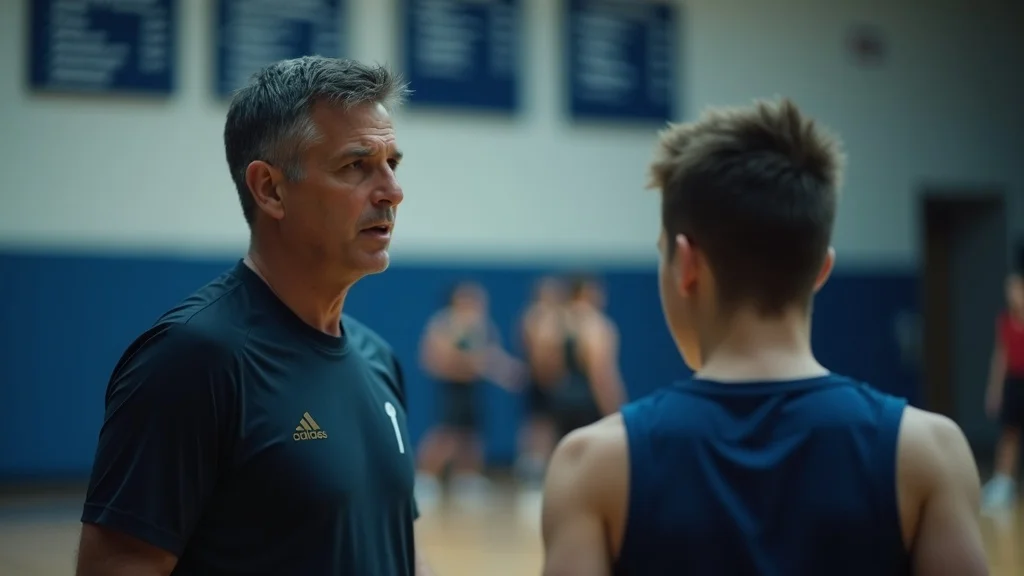
Some signs signal an urgent need for professional intervention. Rapid weight loss or gain, persistent low mood, repeated illness, and rigid or secretive food rituals may indicate progression of an eating disorder with risks to both physical and mental health. Referral to eating disorder counselling should not be delayed. Prompt action can often prevent escalation into more severe or entrenched illness, and restore both athletic potential and well-being.
Coaches, family, or peers who suspect immediate risk should contact relevant specialists or healthcare professionals directly—even if the athlete themselves is reluctant. Early detection saves lives.
Nutritional Approaches within Eating Disorder Counselling for Athletes
Supporting physical recovery is foundational, making nutritional counselling an inseparable part of eating disorder treatment in athletes. A registered dietitian, as part of the team of specialists, can educate the athlete about fuelling athletic performance safely, restore healthy eating patterns, and address fears around certain foods. A positive relationship with food, tailored nutrition plans, and gradual reintroduction of feared foods build the foundation for both mental and physical resilience in sport.
Nutritional rehabilitation may also address deficiencies, stabilise energy levels, and support features unique to the type of eating disorder. Eating disorder counselling often coordinates with nutritional support for best results.
Role of Dieticians in Multidisciplinary Eating Disorder Teams
Dieticians collaborate with counsellors, doctors, and families to ensure every aspect of the athlete’s well-being is addressed. They monitor weight, assess dietary habits, provide education, and develop non-punitive plans that prioritise healing over perfection. Their input is adjusted to the athlete’s stage of recovery, sport demands, and personal beliefs.
Dieticians are also essential for bridging the gap between mental health and physical recovery—helping to reduce anxiety around meals, challenge food myths, and track progress objectively. Their expertise helps athletes return to full training and competition safely.
Case Study: Recovery Through Eating Disorder Counselling
“Seeking eating disorder counselling was the turning point I needed to return to athletics on my terms.”
Megan, a 19-year-old long-distance runner, noticed her performance declining despite heavy training. She constantly obsessed over her weight and developed rigid eating habits, leading to frequent injuries and withdrawal from friends. After a trusted coach addressed his concerns and encouraged her to seek support, Megan connected with a specialist offering cognitive behavioural and nutritional therapy. Over the course of several months, she learned to challenge perfectionist thinking, reintroduce feared foods, and rebuild her relationship with running and her body. Today, Megan remains in sport—not just competing but enjoying her team, recovery, and life outside athletics.
People Also Ask
What is the best therapy for eating disorders?
The best therapy for eating disorders is typically cognitive behavioural therapy (CBT). CBT focuses on changing unhelpful thought patterns and behaviours related to food, body image, and self-worth. It’s often combined with behavioural therapy, nutritional counselling, and family-based interventions, depending on the person’s needs. For athletes, therapy may be tailored to address the unique pressures and routines associated with their sport.
What is the rule of 3 for eating disorders?
The “rule of 3” in eating disorders often refers to observing whether someone eats three meals a day and maintains regular eating patterns. It helps indicate whether eating habits are within a healthy range. Missing meals, restricting types of food, or bingeing frequently may signal underlying eating problems requiring support. It’s not a diagnostic tool but a simple guideline for spotting irregularities.
What is the hardest eating disorder to live with?
Anorexia nervosa is often considered the most challenging eating disorder to manage, as it has one of the highest mortality rates among mental health conditions. The intense fear of weight gain, distorted body image, and profound denial of illness cause significant resistance to treatment. Every eating disorder presents unique obstacles, and all can significantly affect quality of life and physical health without intervention.
FAQs: Eating Disorder Counselling for Athletes and Their Support Network
How does eating disorder counselling differ for athletes?
Counselling for athletes addresses unique factors like performance pressures, sport-specific expectations, and the physical demands of training. Sessions may include discussion on healthy fuelling for sport, body image challenges in the athletic context, and specialist advice for managing routines and travel associated with competition.What should I expect in my first counselling session?
The first session often involves an initial assessment—your counsellor will take time to understand your personal history, current eating habits, training demands, and emotional wellbeing. This sets the foundation for a supportive, individualised recovery plan.Can parents or coaches attend sessions?
Depending on age and preference, parents or coaches may attend sessions, especially in family-based therapy for younger athletes. Their involvement can bolster support, improve communication, and help reinforce healthy habits at home and during training.What kind of progress should an athlete expect?
Recovery is highly personal and often occurs in small, gradual steps. Athletes can expect to set tangible, realistic goals and see improvements in both eating habits and emotional resilience over time. Ongoing support and open communication are key to maintaining progress.
Key Takeaways for Eating Disorder Counselling in Sport
Eating disorder and depression are closely interlinked in athletic environments.
Early detection, comprehensive counselling, and multidisciplinary care are critical for recovery.
Ongoing support empowers athletes towards lasting change.
Next Steps: Reach Out for Eating Disorder Counselling
If you or someone you love is showing signs of eating problems or depression in sport, timely support can make all the difference. Click here to contact us for confidential, specialist support designed with athletes in mind.
Exploring the complexities of eating disorders in athletes is just one part of understanding how our relationship with food can shape our lives. If you’re interested in a broader look at the emotional and psychological factors that influence eating habits beyond the sporting world, consider the deeper story of how food and feelings intertwine in everyday life. This perspective can offer valuable insights for anyone seeking to foster a healthier, more compassionate connection with food—whether you’re an athlete, a parent, or simply someone on a journey toward well-being.
Sources
https://www.nhs.uk/mental-health/conditions/eating-disorders/overview/
https://www.mind.org.uk/information-support/types-of-mental-health-problems/eating-problems/
https://www.childrenssociety.org.uk/information/eating-disorders
Understanding the complexities of eating disorders and depression in athletes is crucial for effective intervention and support. The article “Eating Disorder Treatment: Know Your Options” from the Mayo Clinic provides a comprehensive overview of treatment modalities, including therapy, education, and medication, tailored to individual needs. (mayoclinic.org)